Ramnit Banking Trojan Delivered via Seamless Campaign and RIG Exploit Kit
Malware Intelligence · 2 sources · Updated 4mo ago · First seen Jan 1, 2018
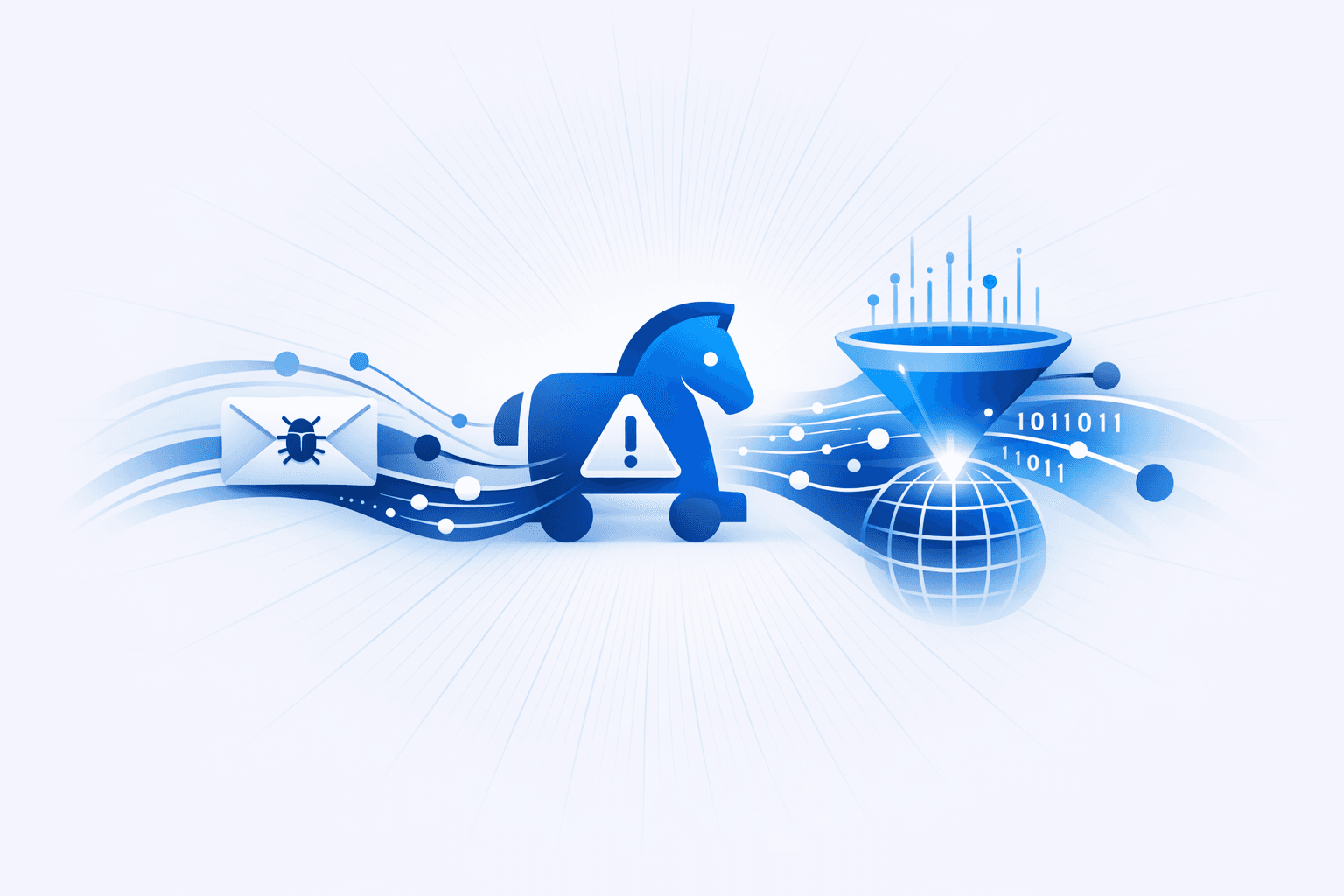
Researchers detailed how the Seamless drive-by download campaign delivered the Ramnit banking trojan after filtering victims by time zone and geolocation, then redirecting selected targets to a RIG Exploit Kit landing page. The malware used a custom command-and-control protocol over TCP port 443 that mimicked secure traffic but was not HTTPS, with RC4-encrypted data chunks reportedly decodable using a stable key observed in the analyzed environment.
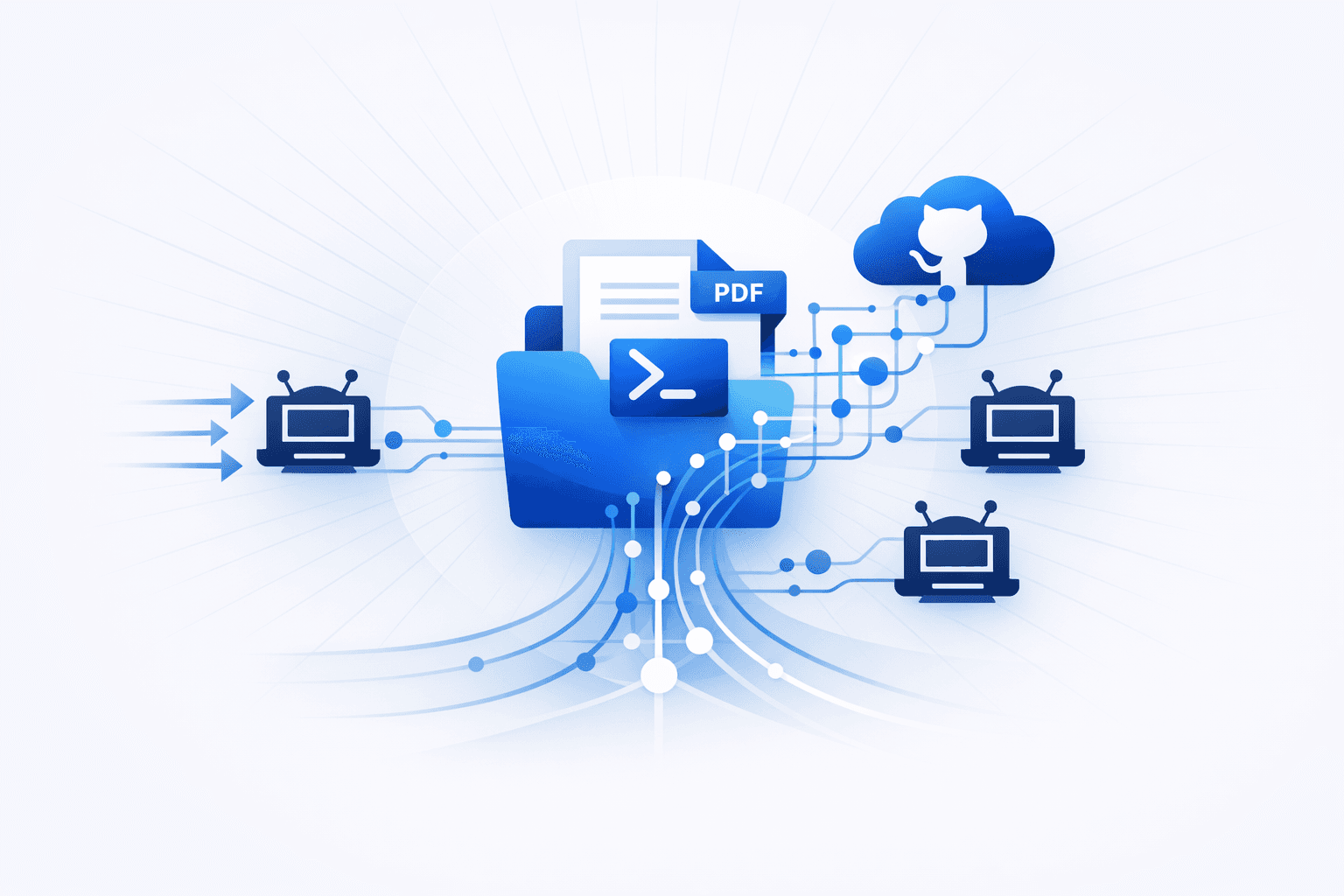
The analysis found that Ramnit registered infected hosts by sending two MD5 values to its command server before retrieving region-specific modules and web-inject configurations. Japan-focused infections received localized credit-card-themed web injects, while downloaded components supported antivirus interference, cookie theft, browser injection, and browser communication hooks; U.S.-targeted infections used a similar module set but could also fetch tools such as an FTP grabber and AZORult.
Why it matters
Impact assessment
Ramnit delivery through the Seamless drive-by campaign presents a high risk to financial services, e-commerce, and any organization with users browsing ad-supported sites, because infection leads to credential theft, cookie theft, browser manipulation, and targeted web-inject fraud. The impact includes account takeover, payment-card theft, downstream fraud losses, and potential operational disruption from secondary payloads such as AZORult and FTP credential theft.
The exposure is targeted rather than indiscriminate: victims are filtered by time zone and geolocation before being redirected to RIG Exploit Kit infrastructure, and payloads/modules vary by region. The reporting describes observed in-the-wild exploitation via Seamless and RIG EK, with Japan-focused and U.S.-focused infections receiving different module sets and fraud content.
Affected entities
- End users exposed to malicious ad-network or drive-by traffic
- Organizations with Windows endpoints vulnerable to exploit-kit delivery chains
- Financial institutions, credit-card issuers, and merchants targeted by web injects
- Enterprises with browsers storing cookies or credentials on infected hosts
Severity and business consequences
- Credential theft and session hijacking through cookie exfiltration
- Browser injection and web-inject fraud against banking and payment workflows
- Potential antivirus interference reducing endpoint defenses
- Secondary malware/tool delivery including AZORult and FTP grabber capability
- Reputational and financial loss from fraudulent transactions and compromised accounts
Scope and targeting
- Campaign filters victims by time zone and geolocation before exploitation
- Country-specific Pre-Gate and Gate infrastructure observed
- Japan-targeted infections received localized credit-card-themed injects
- U.S.-targeted infections received similar core modules plus FtpGrabber2 and AZORult