CVE-2017-0199 Word Exploit Delivered Remcos RAT and WingBird Malware
Attack Tradecraft · 2 sources · Updated 4mo ago · First seen Dec 21, 2017
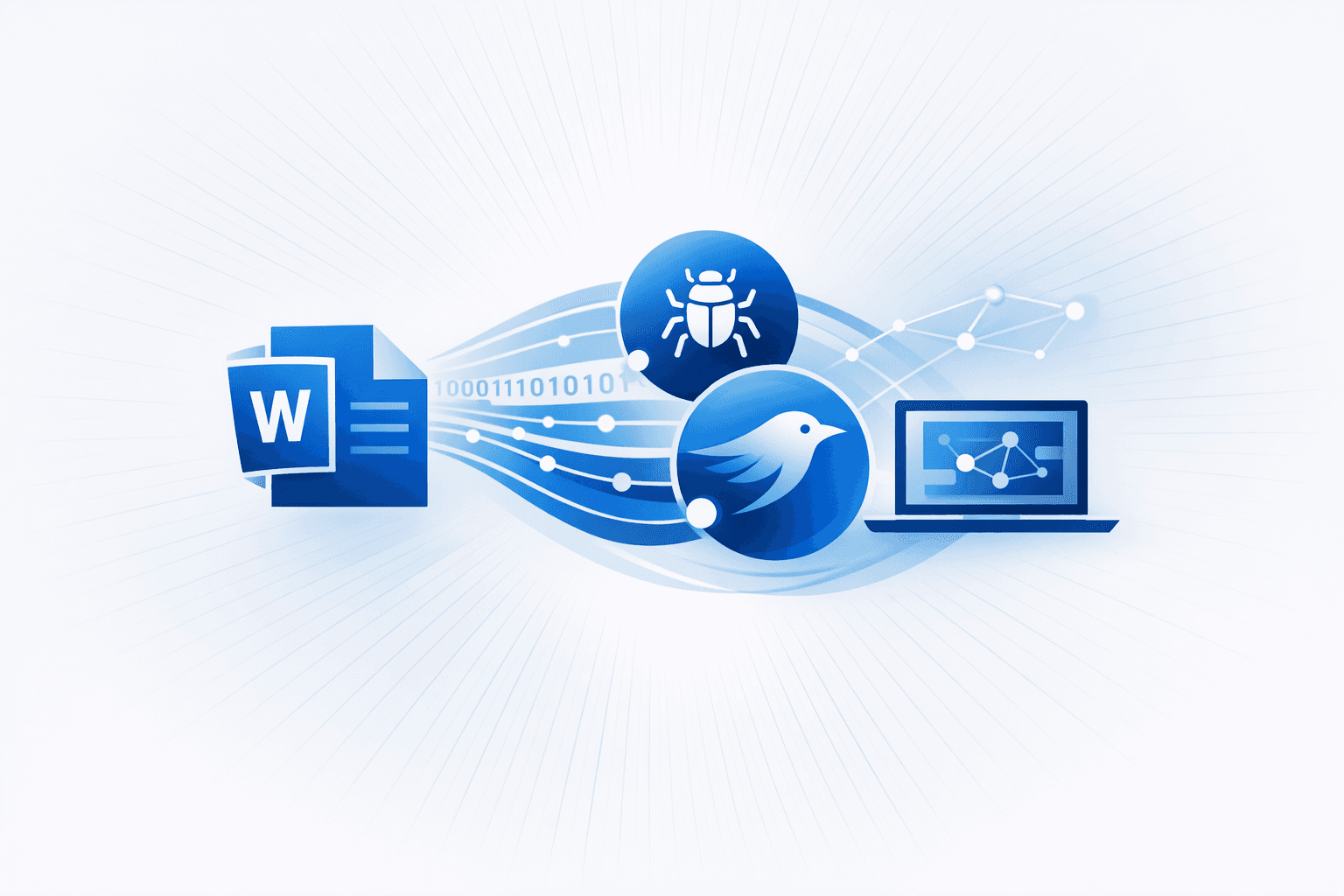
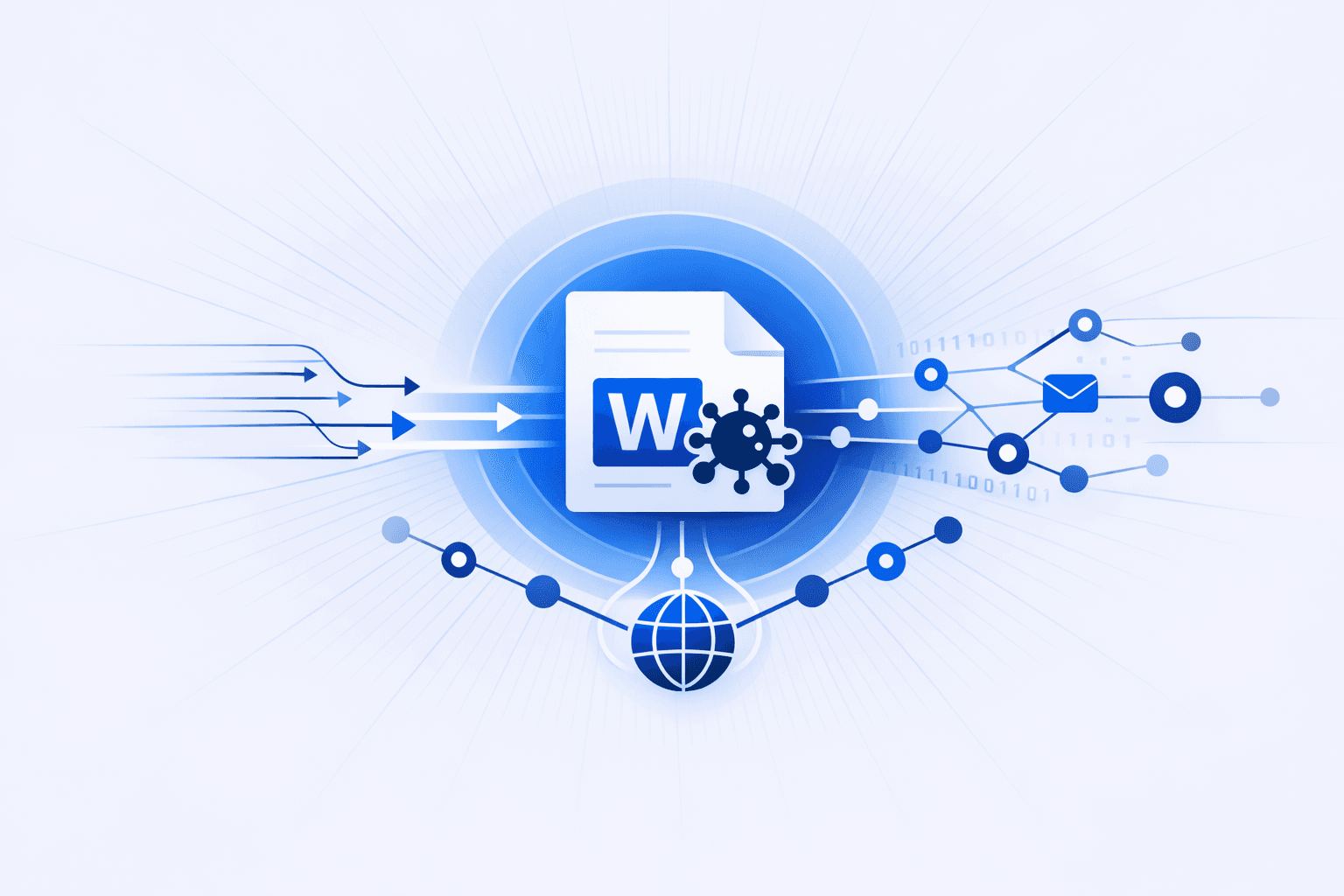
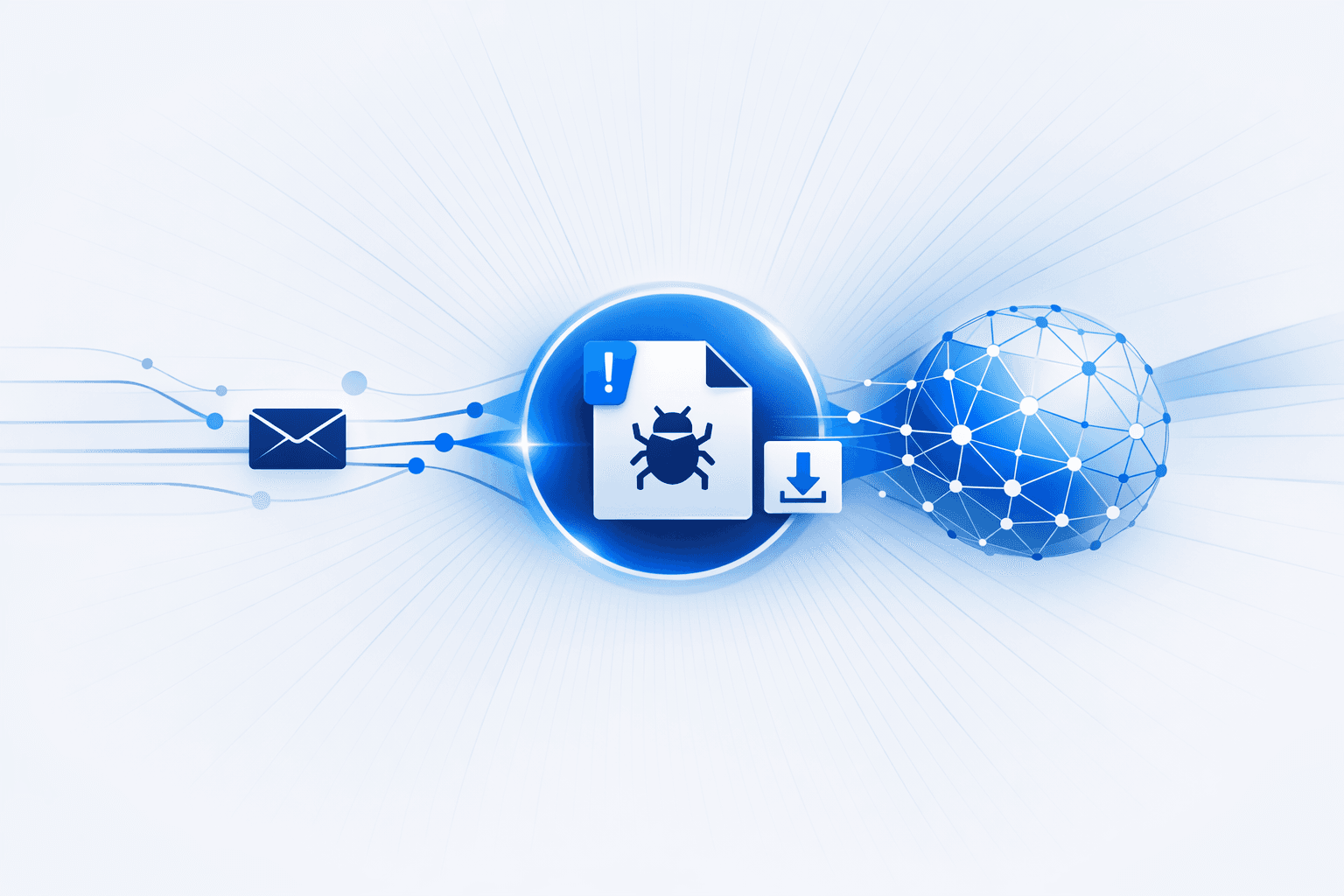
Attackers used CVE-2017-0199 in malicious Microsoft Word and RTF documents to trigger the hta handler and pull follow-on payloads from attacker-controlled infrastructure, enabling code execution without relying on macros. One observed chain used a fake invoice attachment disguised as a .doc file to fetch a malicious HTA, then downloaded a Remcos RAT installer and an AutoIt-based persistence component over HTTPS from streetsave[.]club and regwide[.]club; the infected host later communicated with darlz.freeddns[.]org on port 1695.
Separate in-the-wild activity documented the same exploit delivering Visual Basic script stages that killed winword.exe, retrieved a payload disguised as an image, copied it as a Startup-folder winword.exe, and opened a decoy document to hide the intrusion. Researchers linked final payloads to WingBird and FinFisher-like malware, while other malicious documents delivered LATENTBOT; the campaigns relied on obfuscation, anti-analysis techniques, and persistence through registry Run keys or Startup-folder placement, underscoring the need to patch vulnerable Office systems.
Why it matters
Impact assessment
CVE-2017-0199 exploitation affects Microsoft Office users who open malicious Word/RTF documents on unpatched Windows endpoints. The impact is high because the exploit enables code execution without macros and has been used to deliver full-featured malware including Remcos RAT, WingBird/FinFisher-like payloads, and LATENTBOT, creating risk of remote control, persistence, data theft, and follow-on intrusion.
The exposure is broad wherever legacy or unpatched Office installations remain, while observed delivery was targeted through phishing and malspam themes such as invoices. Exploitation in the wild is confirmed across multiple campaigns, including a 2017 malspam chain and separate Word exploit activity documented by FireEye/Mandiant.
Supporting facts
- Affected products: Microsoft Word / Microsoft Office handling malicious Word and RTF documents.
- User populations at risk: enterprise users opening email attachments, especially finance/procurement staff exposed to invoice lures.
- Delivery themes observed: fake invoice attachment named Proforma invoice.doc; Russian-language lure СПУТНИК РАЗВЕДЧИКА.doc.
- Malware families delivered: Remcos RAT, WingBird, FinFisher-like malware, LATENTBOT.
- Business impact: endpoint compromise, persistent remote access, possible credential theft, surveillance, and lateral movement opportunities.
- Scope: phishing-driven but broadly reusable tradecraft; any unpatched Office estate is exposed.
- Exploitation status: confirmed in the wild by FireEye/Mandiant and malware-traffic-analysis reporting.