Black Basta Ransomware Uses QakBot-Led Intrusions for Double Extortion
Threat Actor Intelligence · 11 sources · Updated 4mo ago · First seen Jan 1, 2024
Black Basta emerged as a fast-growing ransomware-as-a-service operation that hit organizations across the United States, Canada, the United Kingdom, Australia, and New Zealand, with victims reported in manufacturing, construction, transportation, telecommunications, and pharmaceuticals. The group has been tied to human-operated intrusions that begin with spearphishing emails and password-protected ZIP archives, often delivering QakBot through ISO or JavaScript-based loaders that can bypass Windows Mark-of-the-Web protections, including abuse linked to CVE-2022-44698.
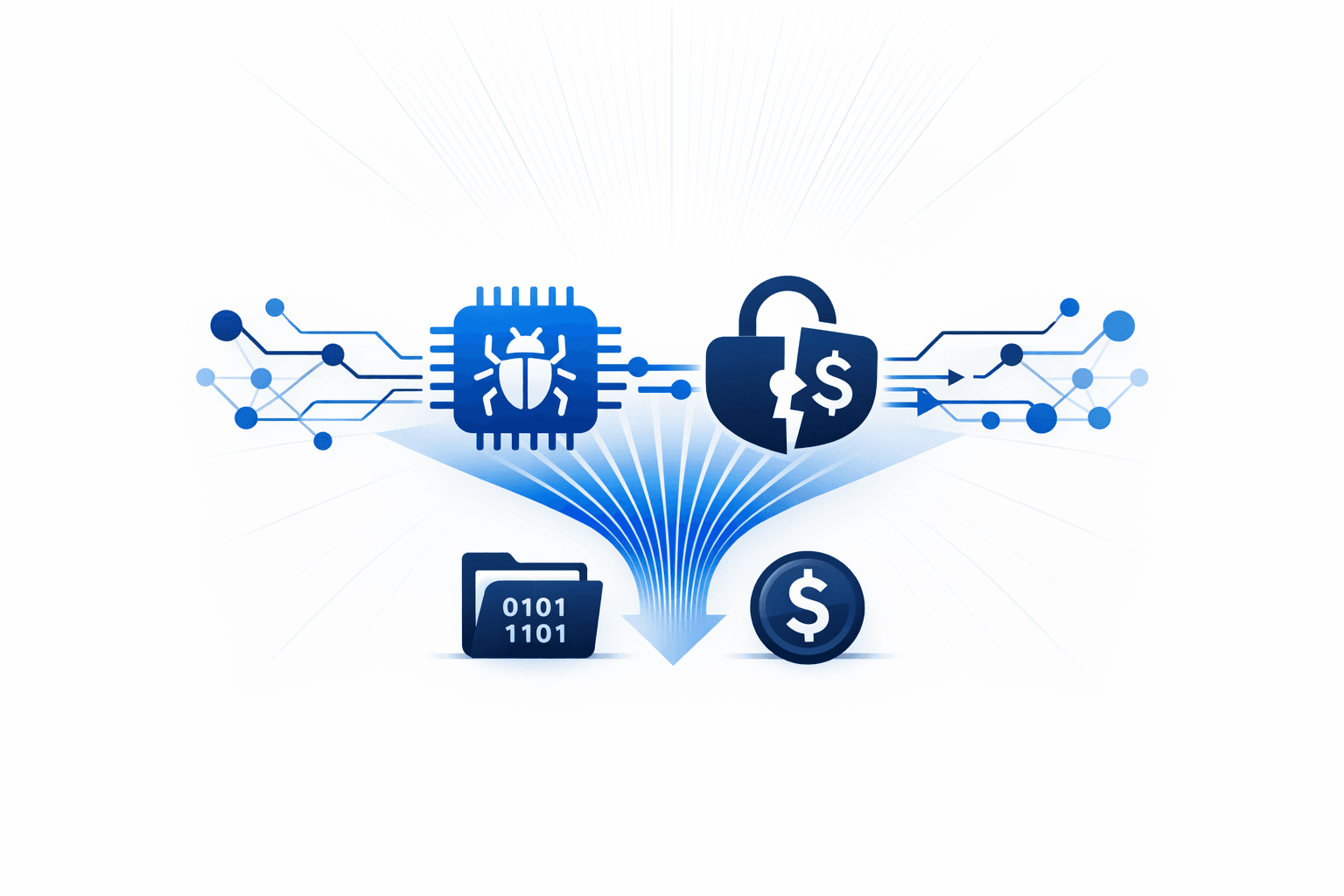
After initial access, the attackers use SystemBC, Cobalt Strike, and Mimikatz for command and control, credential theft, persistence, and lateral movement, including SMB service execution and PsExec. Black Basta operators commonly try to disable Windows Defender and EDR tools, exfiltrate data with Rclone, delete volume shadow copies, encrypt files with the .basta extension, and leave a readme.txt ransom note while threatening to publish stolen data on a TOR leak site if payment is not made.
Why it matters
Impact assessment
Black Basta remains a high-impact ransomware threat to enterprise environments, with repeated reporting of intrusions across the U.S., Canada, U.K., Australia, and New Zealand and recent tracking against the U.S. public health sector. Affected organizations span healthcare, manufacturing, construction, transportation, telecommunications, pharmaceuticals, and other enterprise-heavy sectors where rapid domain compromise can cause major operational disruption.
The impact is severe because the operation combines data theft, rapid privilege escalation, broad lateral movement, security-tool suppression, and file encryption for double extortion. Multiple references describe domain administrator compromise in under two hours and ransomware deployment in under 12 hours, indicating a narrow response window and high risk of business interruption, data loss, regulatory exposure, and reputational damage.
Supporting facts
- Black Basta is described as a ransomware-as-a-service operation first identified in 2022.
- Victims have been reported in the United States, Canada, the United Kingdom, Australia, and New Zealand.
- Targeted sectors include healthcare/public health, manufacturing, construction, transportation, telecommunications, and pharmaceuticals.
- Stairwell reported tracking recent Black Basta attacks against the U.S. public health sector.
- Cybereason observed more than 10 customers affected by a QakBot-linked campaign within a two-week period.
- Black Basta uses double extortion: data theft before encryption, followed by threats to publish stolen data on a Tor leak site.
- Victims are commonly given 10 to 12 days to pay before data release.
- Operators have attempted to disable DNS services, EDR, antivirus, and Windows Defender, increasing recovery difficulty.
- Hundreds of organizations have reportedly been impacted since 2022.
- Exploitation in the wild is established for the QakBot delivery chain, including active abuse of the Windows Mark-of-the-Web bypass CVE-2022-44698.