FIN7 Revamped JSSLoader Campaign Uses Excel Add-ins for Initial Access
Malware Intelligence · 6 sources · Updated 4mo ago · First seen Aug 14, 2022

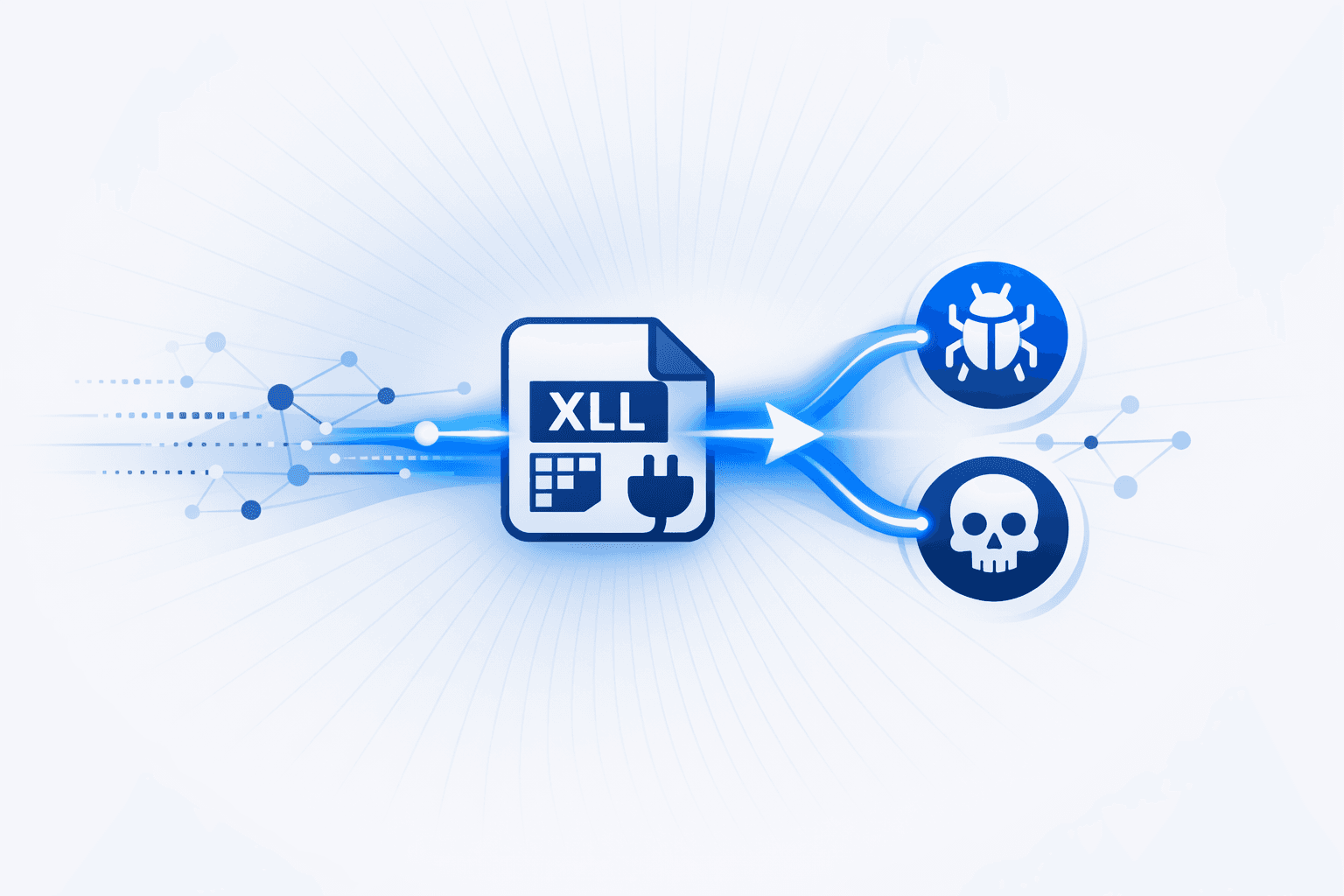
FIN7 has continued to evolve its malware delivery and post-compromise tooling, with multiple reports tying the group to campaigns that use malicious Excel add-ins (.xll) to deliver a rewritten JSSLoader. Malwarebytes reported a late-June malspam operation in which an XLL component launched JSSLoader and dropped a secondary .NET payload, while later reporting from Morphisec and Secureworks also linked new JSSLoader activity to Excel add-ins. Researchers said the newer JSSLoader variants expand on earlier versions with added functionality, including enhanced data-exfiltration capabilities.
The activity fits a broader pattern in FIN7 intrusions documented by Mandiant, which showed the group shifting from older loaders such as LOADOUT and GRIFFON toward more flexible access tools including POWERPLANT and Cobalt Strike BEACON, while continually rewriting malware to evade detection. Mandiant also described FIN7 using compromised RDP credentials, shellcode loaders, reconnaissance, Kerberoasting, and customized backdoors, underscoring that the latest JSSLoader delivery chain is part of a longer-running effort by the financially motivated group to refine initial access, persistence, and follow-on intrusion capability.
Why it matters
Impact assessment
FIN7’s use of malicious Excel add-ins to deliver JSSLoader increases risk for organizations exposed to phishing, especially enterprises with Microsoft Office users in finance and back-office functions likely to open invoice-themed lures. The impact is high because JSSLoader provides remote access, persistence, command execution, payload delivery, and data exfiltration, enabling follow-on intrusion, credential abuse, and broader compromise.
This activity is not limited to a single victim set. FIN7 has historically targeted multiple sectors including financial services, software, consulting, medical equipment, cloud services, media, food and beverage, transportation, and utilities, and researchers tied the XLL-based delivery chain to broader FIN7 tradecraft evolution. Exploitation in the wild is confirmed through observed malspam campaigns and multiple vendor reports.
Supporting facts
- Threat actor: FIN7, also tracked as GOLD NIAGARA and associated with Carbanak activity.
- Initial access theme: invoice-themed phishing emails carrying malicious Excel add-ins.
- Affected user population: Microsoft Excel users who enable unsigned XLL add-ins after the Office security prompt.
- Business impact: remote access, persistence, secondary payload delivery, system reconnaissance, and data exfiltration.
- Operational impact: potential lateral movement and prolonged dwell time due to evasive loaders and low-prevalence PowerShell tradecraft documented in related FIN7 intrusions.
- Scope: broad enterprise exposure where XLL add-ins are permitted and phishing defenses do not block the attachments.
- In-the-wild activity: Secureworks, Morphisec, and Malwarebytes each reported observed campaigns or samples tied to this delivery chain.