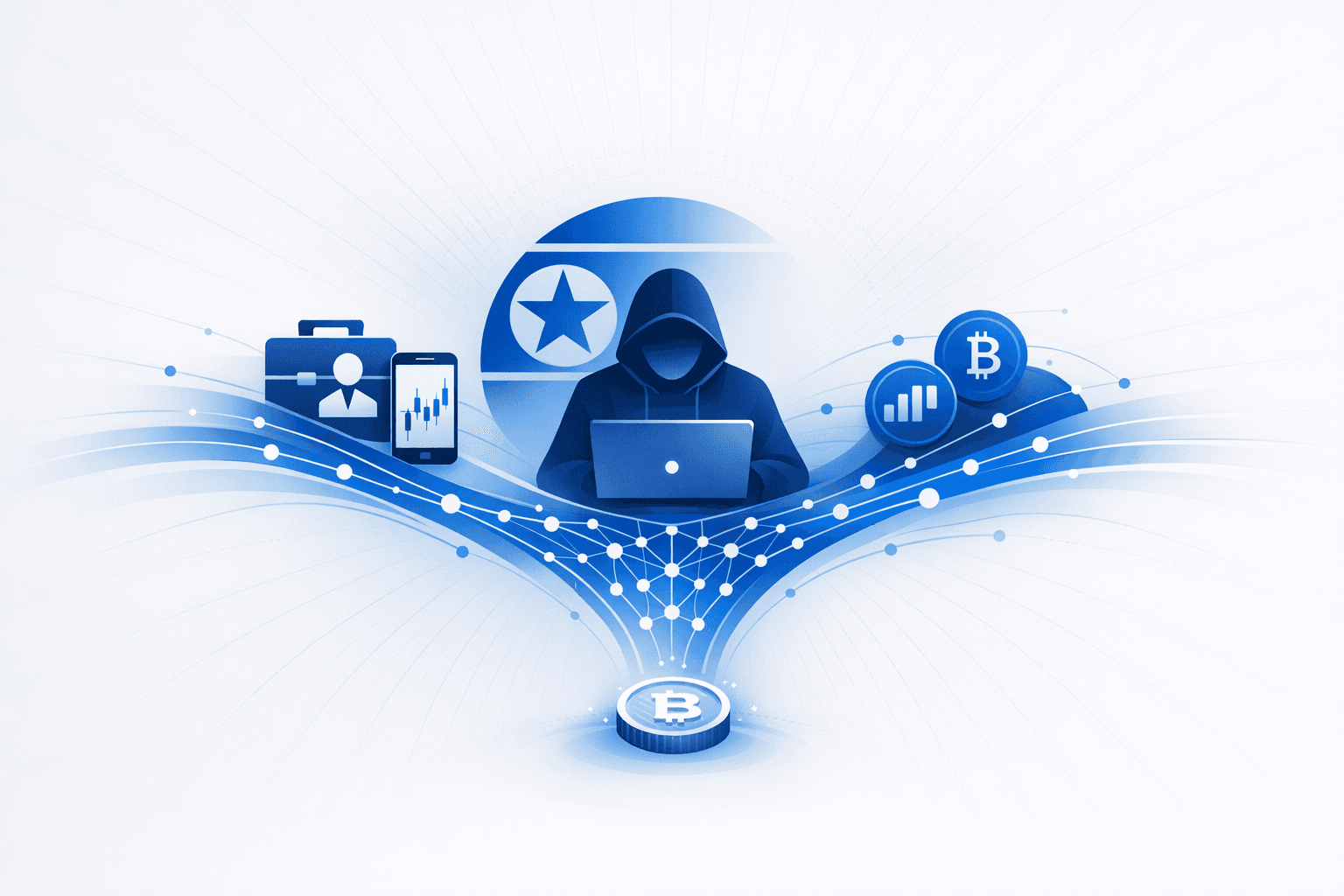
Lazarus and Kimsuky Expand Global Malware Campaigns With New Backdoors and Infrastructure
Threat Actor Intelligence · 5 sources · Updated 4mo ago · First seen Apr 11, 2023

Researchers reported multiple DPRK-linked intrusion campaigns tied to Lazarus and Kimsuky, highlighting new malware, refreshed delivery chains, and reusable infrastructure. Gen Digital identified Kimsuky using a new HttpTroy backdoor against a South Korean target via a fake VPN invoice ZIP and .scr dropper, while Lazarus targeted victims in Canada with an updated chain that used a new Comebacker variant to memory-load a new BLINDINGCAN RAT. Separate reporting also described Lazarus using fake hiring workflows and an NVIDIA-themed lure to trick victims into copying a malicious command that deployed credential theft tools, MeshAgent remote access, Python-based payloads, and cryptocurrency data theft components.
Why it matters
Impact assessment
Researchers describe active DPRK-linked campaigns by Lazarus and Kimsuky using refreshed malware, social-engineering lures, and reusable infrastructure across Windows and Linux environments. Affected populations include aerospace and defense organizations, cryptocurrency users, enterprises using email/browser credential stores, and regionally targeted victims in South Korea and Canada; the activity is targeted rather than indiscriminate, but the infrastructure breadth indicates sustained global operations.
Operational impact is high for targeted victims because the observed tooling supports credential theft, persistent remote access, in-memory payload execution, reverse shells, and follow-on espionage or financial theft. Exploitation in the wild is evidenced by observed victimology and live campaign telemetry, including Kimsuky delivery of HttpTroy, Lazarus deployment chains leading to BLINDINGCAN, and Lazarus DeceptiveDevelopment activity using fake hiring workflows.
Supporting details
- Affected entities and sectors:
- South Korean victim targeted by Kimsuky with a fake VPN invoice ZIP and .scr executable.
- Two Canadian victims targeted by Lazarus with a Comebacker-to-BLINDINGCAN chain.
- Aerospace and defense-themed targeting via decoys impersonating Edge Group, IIT Kanpur, and Airbus.
- Job-seeker and hiring-workflow targets exposed to fake interview and NVIDIA-themed lures.
- Linux users targeted in Lazarus Operation DreamJob activity.
- Impact types observed:
- Credential theft from browsers and email clients using WebBrowserPassView, MailPassView, ChromePass.exe, PasswordFox, NetPass, MSPass.exe, Dialupass, PstPassword, IEPV, and hack-browser-data.
- Persistent remote access via HttpTroy, COMEBACKER, BLINDINGCAN, MeshAgent, Quasar RAT, Mythic C2, and Linux backdoors related to BADCALL/SimplexTea.
- Cryptocurrency data theft from browser extensions and local folders.
- Potential espionage collection through screenshots, command execution, reverse shell, and staged follow-on payload delivery.
- Scope and exposure:
- Campaigns are targeted, but infrastructure reuse is broad and recurring across multiple VPS hosts, open directories, FRP nodes, and certificate-linked clusters.
- Researchers identified exposed staging servers, credential-harvesting environments, eight FRP nodes, and 12 certificate-linked IPs tied to Lazarus/Bluenoroff activity.
- Known in-the-wild activity:
- Gen Digital observed Kimsuky and Lazarus victim activity directly.
- Acronis/Hunt.io linked active infrastructure to Lazarus and Kimsuky operations.
- ESET previously linked Lazarus Linux malware and the 3CX supply-chain attack to related tooling and infrastructure.