Trojanized AI Skills and AgentBaiting Expose AI Supply Chain Weaknesses
Emerging Technology Risk · 2 sources · Updated 4mo ago · First seen Aug 7, 2026

Security researchers reported that the emerging AI agent ecosystem is being abused to distribute malicious tools at scale, with one campaign involving trojanized AI skills reaching 1.7 million installs in an attack aimed at AI agents. The activity highlights how agents that can autonomously discover and install new capabilities are becoming a new software supply-chain target, particularly where marketplaces, repositories, and MCP servers lack mature vetting and integrity controls.
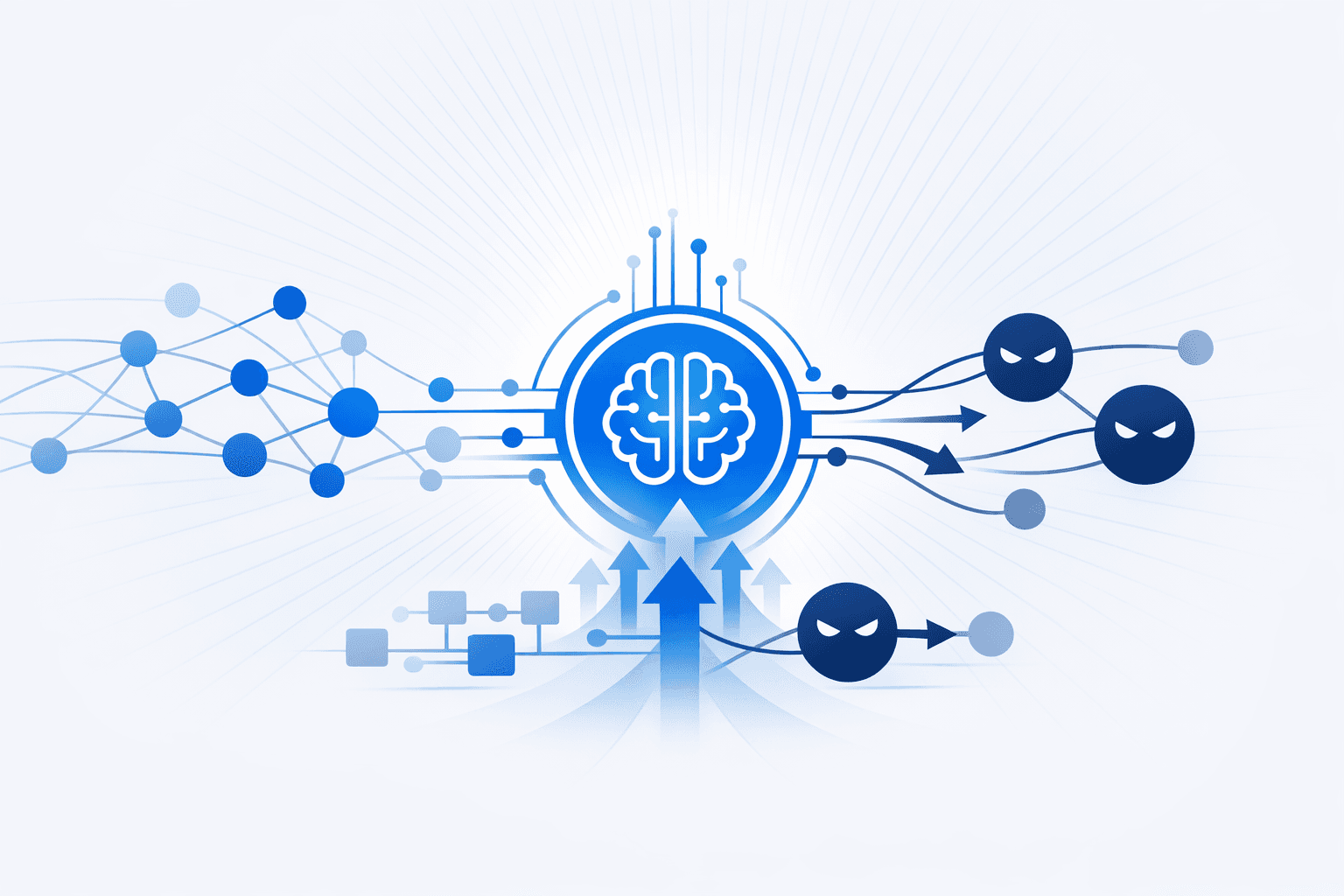
Island said its research found thousands of malicious repositories and widespread security flaws across MCP servers, alongside a technique dubbed "AgentBaiting" that tricks AI agents into locating and recommending malware to users. The findings underscore a growing enterprise risk in which attackers can poison the AI toolchain itself, forcing organizations to strengthen governance over which agent skills, tools, and external services can be discovered, trusted, and deployed.
Why it matters
Impact assessment
Trojanized AI skills and malicious repositories create a supply-chain risk for organizations deploying AI agents that can autonomously discover, install, or recommend external tools. The reported scale of 1.7 million installs indicates potentially broad exposure across users and enterprises experimenting with agent ecosystems, while weak vetting in AI skill marketplaces, repositories, and MCP servers increases the chance of malware introduction, data exposure, and downstream operational disruption.
The impact is potentially severe because compromise occurs through trusted agent workflows rather than traditional phishing or direct exploitation, which can lead to unauthorized code execution, credential theft, poisoned recommendations, and reputational damage if enterprise agents distribute or invoke malicious capabilities. Based on the provided reporting, this appears to be a widespread ecosystem issue rather than a narrowly targeted campaign, but the content does not confirm specific victim organizations or verified in-the-wild post-compromise incidents beyond the reported malicious distribution activity.
Affected populations
- Organizations using AI agents that can discover, install, or invoke third-party skills/tools
- Enterprises integrating MCP servers, AI skill marketplaces, or public code repositories into agent workflows
- End users relying on AI agents to recommend or fetch software/tools
- Developers building internal copilots or autonomous agents without strict allowlisting and provenance controls
Severity and scope
- Supply-chain style compromise path affecting trust in AI agent ecosystems
- Potential for malware distribution at scale through agent-mediated installs and recommendations
- Risk of operational disruption if malicious skills are deployed into enterprise workflows
- Risk of data loss, credential exposure, and reputational harm if agents access sensitive systems or recommend malware to users
- Scope appears broad due to reported thousands of malicious repositories and 1.7 million installs tied to one trojanized AI skills campaign
Extracted facts from references
- CSO Online reports a campaign involving trojanized AI skills with 1.7 million installs in an attack aimed at AI agents.
- Island research reportedly found thousands of malicious repositories.
- Island research reportedly found widespread security flaws across MCP servers.
- A technique named AgentBaiting manipulates AI agents into locating and recommending malware to users.