SymJack and Malicious AI Skills Expose New Supply-Chain Risks for Coding Agents
Emerging Technology Risk · 2 sources · Updated 5mo ago · First seen Jun 3, 2026
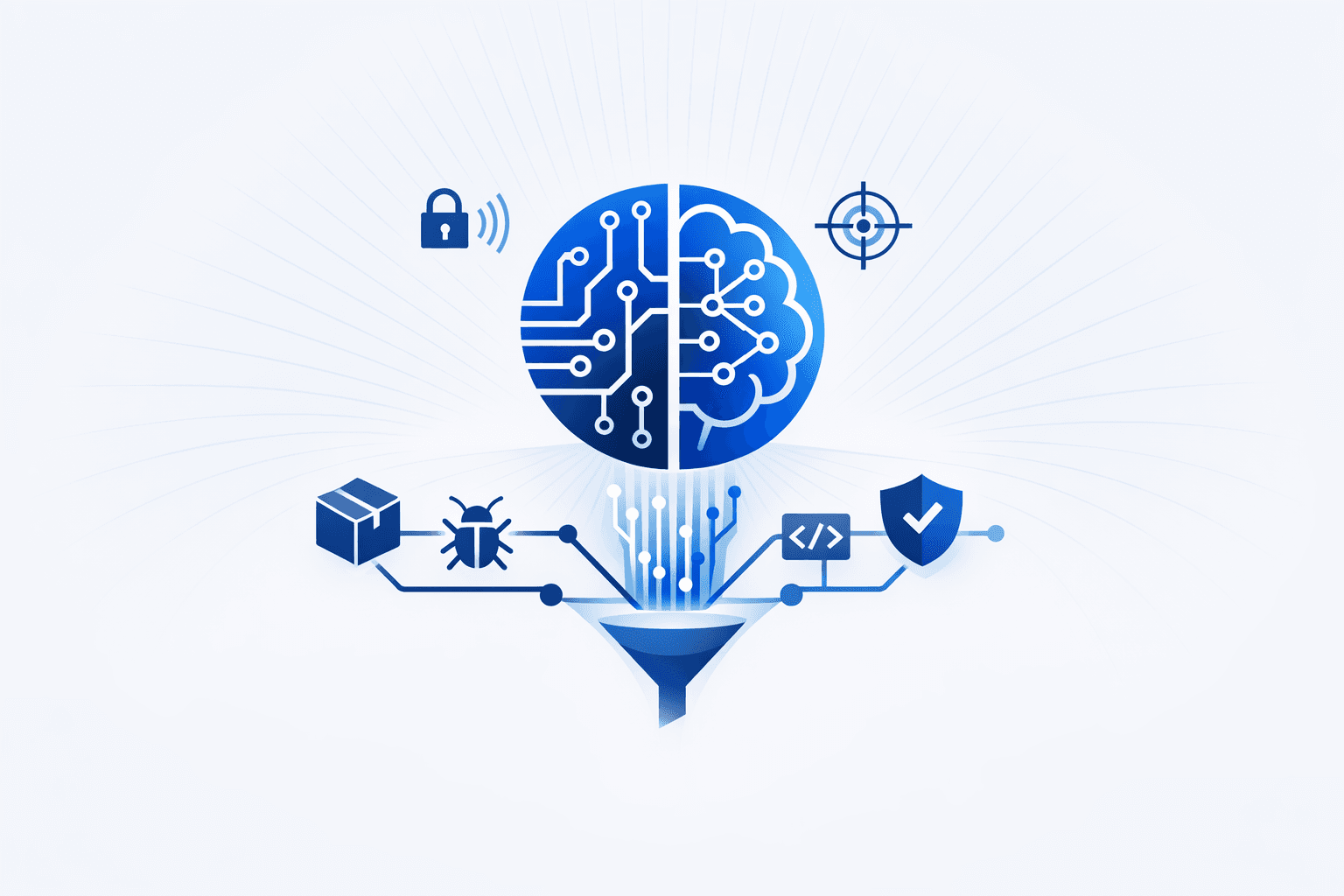
Researchers disclosed SymJack AI, an attack technique that abuses symbolic links in repositories to trick AI coding assistants and automated development tools into writing to attacker-chosen destinations. A user may approve what appears to be a harmless file change, while the operating system follows a malicious symlink to alter configuration files and enable later command execution with the victim’s privileges. The technique raises concerns for local developer workstations and for CI/CD systems that automatically process untrusted pull requests, where compromised jobs could expose cloud credentials, deploy keys, and other sensitive secrets.
Separate research found that public AI skill marketplaces remain vulnerable to simple malicious submissions that evade automated scanning. Trail of Bits reported bypassing multiple skill scanners with proof-of-concept packages that used oversized files, hidden content in .docx archives, poisoned .pyc bytecode, and prompt-injection-style social engineering to disguise malicious behavior. The findings indicate that both repository-based coding agents and downloadable agent skills can become supply-chain entry points, prompting calls for stricter validation of resolved file paths, tighter controls on configuration writes, monitoring of runtime behavior, review of pull requests that modify agent setup, and the use of curated internal skill sources instead of public marketplaces for sensitive environments.
Why it matters
Impact assessment
SymJack AI and malicious AI skill submissions create a supply-chain exposure for organizations using AI coding assistants, agent skill marketplaces, and CI/CD systems that process untrusted repositories. The highest risk falls on software engineering teams, DevOps pipelines, and cloud-connected build environments where attacker-controlled writes or malicious skills can lead to credential theft, unauthorized configuration changes, and code execution with developer or runner privileges.
The impact can be severe because exploitation may enable persistence through modified tool configuration, theft of cloud credentials and deploy keys, and downstream compromise of build and release workflows. The exposure is broad across environments that ingest untrusted pull requests or install public agent skills, but the attack still requires a victim workflow that clones, reviews, or executes attacker-supplied repository content or skills.
There is no cited CVE or confirmed large-scale in-the-wild exploitation in the provided references, but both reports include working proof-of-concept techniques and scanner bypasses against real platforms. This is an actionable exposure story rather than a purely theoretical issue.
Affected entities and environments
- AI coding assistants and automated development tools that write files based on repository content
- Local developer workstations using repository-based coding agents
- CI/CD runners and automated build systems processing untrusted branches or pull requests
- Public AI skill marketplaces and one-click skill installation ecosystems
- Organizations allowing agent skills from public sources into sensitive environments
Severity and business consequences
- Unauthorized file writes via symlink abuse can alter configuration and enable later command execution
- CI/CD compromise can expose cloud credentials, deploy keys, and other secrets
- Malicious skills can steal credentials, exfiltrate data, hijack agent behavior, or change package registries
- Potential downstream effects include software supply-chain compromise, release pipeline disruption, and reputational damage
Scope and exploitation status
- Scope is potentially widespread across emerging AI-assisted development workflows
- Exposure is especially acute where automation has broad filesystem or cloud permissions
- References describe proof-of-concept exploitation and scanner bypasses, not confirmed mass exploitation campaigns