OWASP Warns Malicious AI Skills Enable Large-Scale Agent and Dependency Hijacks
Emerging Technology Risk · 3 sources · Updated 3mo ago · First seen Aug 21, 2026
OWASP has published a final Top 10 list of security risks for agentic AI skills and introduced the Universal Agentic Skill Format v1.0, warning that malicious skills and supply-chain compromise are the most urgent threats facing enterprise AI agents. The guidance highlights how untrusted external instructions, overprivileged skills, and weak visibility into deployed agents can let attackers abuse legitimate automation paths rather than relying on classic prompt injection alone.
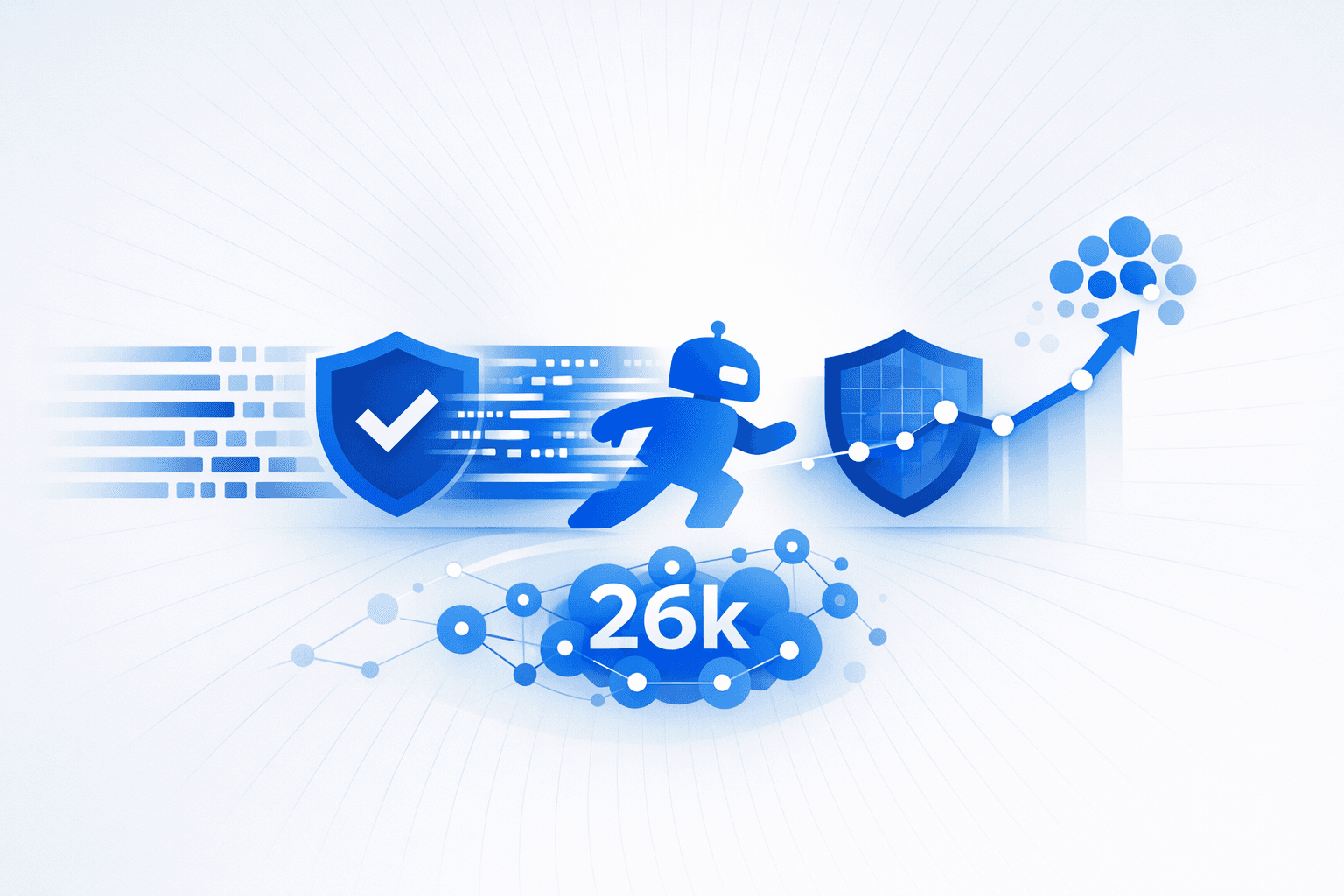
The release follows public demonstrations showing how a single weaponized skill or plugin can compromise agents at scale. Researchers described a campaign in which a malicious skill distributed through an Instagram ad reportedly led to the hijacking of 26,000 agents, while another proof of concept showed an unofficial Claude Code marketplace plugin coercing an AI coding assistant to install a trojanized httpx package from an attacker-controlled source. OWASP and industry practitioners said such attacks can steal credentials, persist through dependency manipulation, and evade detection unless organizations inventory agent usage and can rapidly disable malicious skills across their environments.
Why it matters
Impact assessment
OWASP's guidance highlights a broad enterprise exposure affecting organizations deploying agentic AI platforms, AI coding assistants, plugin marketplaces, and skill-based automation. The most serious impacts are credential theft, workstation or developer-environment compromise, persistence through dependency manipulation, and large-scale abuse of legitimate automation paths rather than overt malware delivery.
The scope is potentially widespread because skills and plugins can propagate across many agents quickly, especially in shared marketplaces or repositories. Publicly cited incidents and demonstrations include a reported 26,000-agent hijack via a manipulated repository signal and Trojanized skills with more than 300,000 installs each, indicating real-world scale and likely ongoing exploitation pressure.
Affected populations
- Enterprises using agentic AI platforms with installable skills or plugins
- Development teams using AI coding assistants with dependency-management capabilities
- Organizations consuming third-party skills from GitHub, marketplaces, or external repositories
- Users of agents with weak inventory, governance, or permission controls
Severity and business consequences
- Credential theft and sensitive data exposure from compromised endpoints or developer environments
- Software supply-chain contamination through malicious or typosquatted dependencies
- Operational disruption if malicious skills must be disabled across large agent fleets
- Reputational and compliance risk if compromised agents access internal systems or customer data
Scope and exploitation status
- Exposure is not limited to a single vendor; the risk applies across skill-enabled agent ecosystems
- Attacks can scale rapidly because one malicious skill or plugin can affect many agents
- Reported incidents include:
- A July 2026 campaign using a look-alike Paperclip domain, Trojanized Python packages, and weaponized AI skills
- A repository manipulation case that reportedly affected 26,000 agents within hours
- Trojanized skills that reportedly accumulated more than 300,000 installs each
- The story describes both observed malicious activity and proof-of-concept dependency hijack scenarios, so exploitation in the wild should be treated as established