ClickFix and Captive Portal Lures Drive RAT Delivery and Credential Theft
Social Engineering & Fraud · 6 sources · Updated 3mo ago · First seen Jul 31, 2026
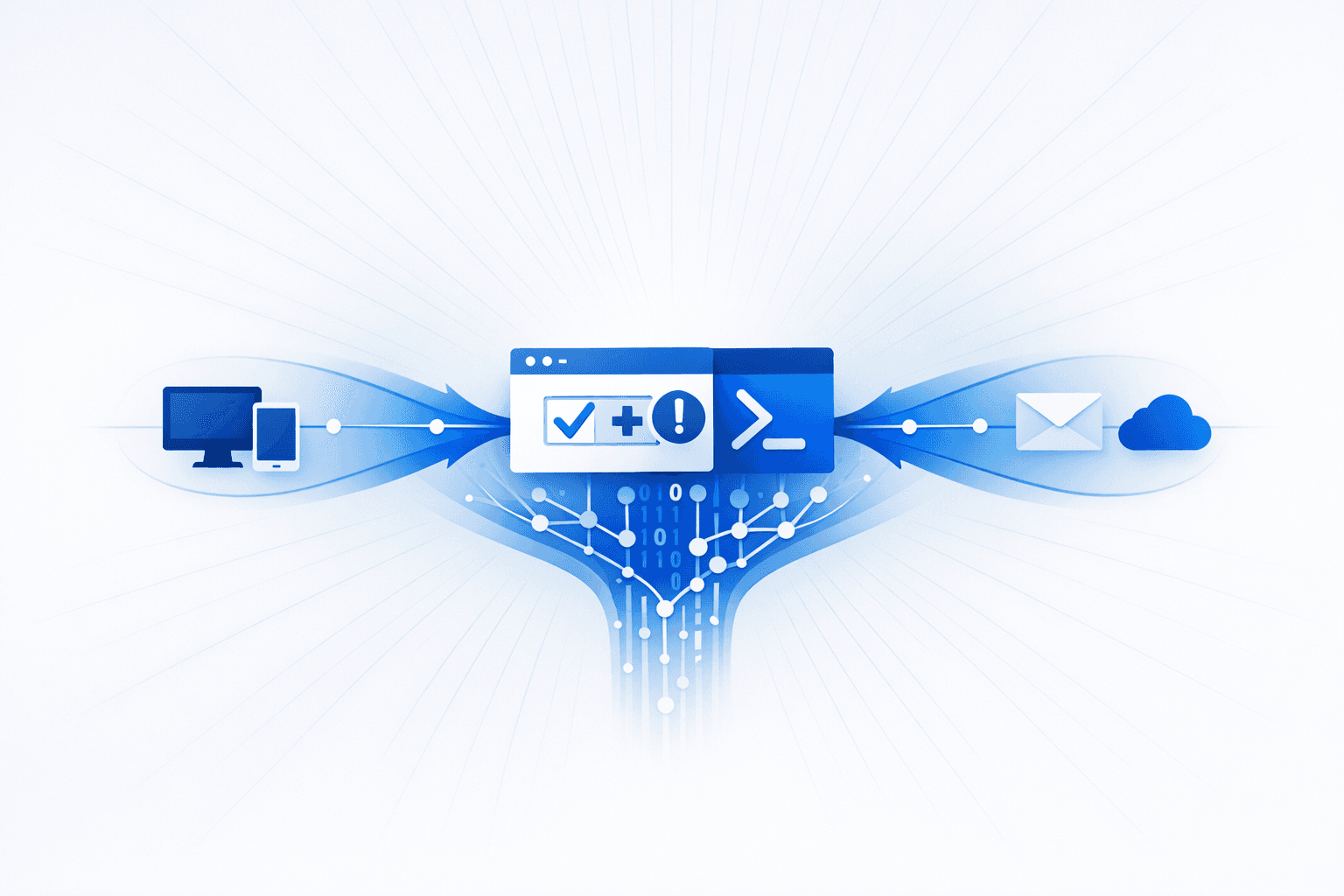
Microsoft reported that social-engineering lures are increasingly being used to trick users into launching malware themselves, with the ClickFix technique emerging as a major delivery method across phishing, malvertising, and compromised websites. In ClickFix attacks, victims are shown fake CAPTCHA, verification, or repair prompts that copy malicious commands to the clipboard and persuade them to run them, often leading to fileless execution through LOLBins, obfuscated PowerShell, and follow-on payloads such as Lumma Stealer, DarkGate, Latrodectus, ScreenConnect, and AMOS. Microsoft said the technique has hit thousands of enterprise and consumer devices daily and is now supported by a growing underground market of ClickFix builder kits sold on criminal forums.
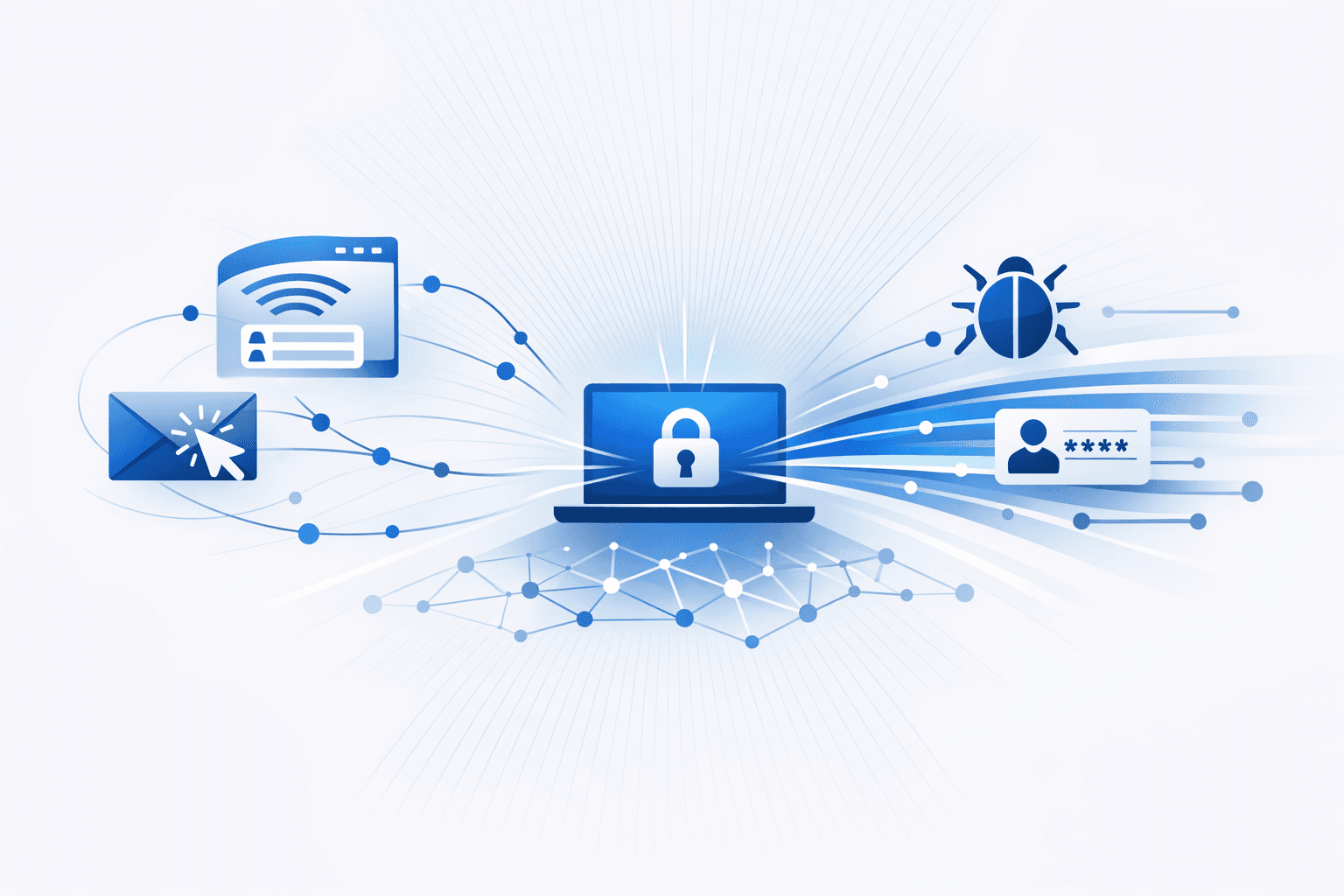
Fresh activity shows the tactic continuing to evolve. A SmartApeSG campaign observed on compromised web traffic redirected victims to a fake human-verification flow that fetched an HTA downloader from deltaode[.]com, retrieved a ZIP archive, and abused DLL side-loading to launch an unidentified RAT that later communicated with 89.124.79[.]98 over TCP 443. Separately, Microsoft linked the CaptiveCrunch campaign to Storm-2945, a sub-cluster of Russia-linked Midnight Blizzard, which has manipulated DNS and HTTP traffic on hospitality and other captive-portal networks to redirect travelers to phishing pages and fake browser or OS updates delivering CornFlake and ChocoShell for credential theft and espionage, including theft of browser credentials, Microsoft 365 tokens, and Wi-Fi credentials.
Why it matters
Impact assessment
ClickFix and captive-portal traffic manipulation are driving both broad opportunistic malware delivery and targeted espionage-focused credential theft. The affected population includes enterprise users, consumers, and especially corporate travelers using hospitality or other captive-portal-served networks; impact includes account compromise, token theft, persistent endpoint access, surveillance, and follow-on intrusion risk.
CaptiveCrunch is the higher-priority threat because it combines network-level redirection with phishing and malware delivery against travelers worldwide, with confirmed activity in the wild since early May 2026. ClickFix more broadly is already hitting thousands of enterprise and consumer devices daily, making this both a widespread exposure problem and a detection opportunity.
Affected groups
- Corporate travelers using hotel, hospitality, airport, or other captive-portal-served Wi-Fi networks.
- Hospitality organizations and operators of captive-portal ecosystems.
- Enterprise and consumer Windows users exposed to phishing, malvertising, or compromised websites.
- Potentially Android users where fake update pages instruct APK installation.
- macOS users in some ClickFix campaigns, including AMOS delivery.
Severity and business impact
- High risk of credential theft, including browser passwords, session cookies, Microsoft 365 tokens, Azure AD tokens, and Wi-Fi credentials.
- High risk of persistent endpoint compromise through RAT deployment, enabling remote shell, keylogging, screenshots, webcam and audio capture, and file exfiltration.
- Elevated espionage risk for organizations with traveling staff, especially where Midnight Blizzard-linked targeting is involved.
- Potential downstream impacts include business email compromise, cloud account takeover, lateral movement, data theft, and reputational damage.
Scope and exploitation status
- Microsoft reported ClickFix activity affecting thousands of devices globally every day.
- Microsoft observed widespread compromise of hospitality-related Wi-Fi networks and other captive-portal-served networks in several countries.
- CaptiveCrunch has active in-the-wild exploitation and is attributed to Storm-2945, assessed as a sub-cluster of Midnight Blizzard.
- SmartApeSG ClickFix activity is also active in the wild and delivers an unidentified RAT via compromised web traffic and DLL side-loading.