US Sanctions Babak Zanjani Network Backing Zedcex and Zedxion Exchanges
Regulatory & Policy · 2 sources · Updated 4mo ago · First seen Jul 24, 2026

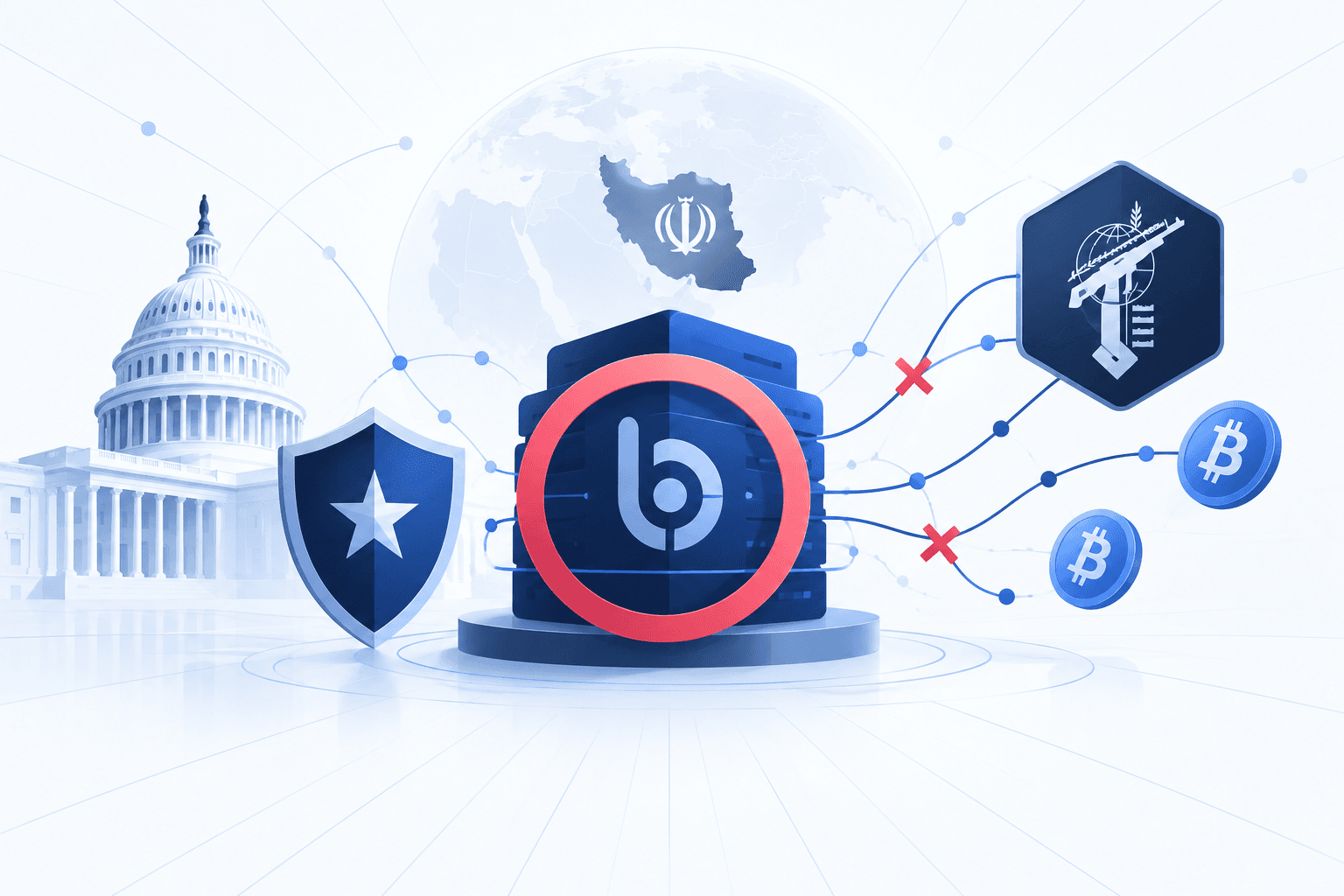
The U.S. Treasury expanded sanctions against Iranian businessman Babak Morteza Zanjani and a broader commercial network accused of helping Zedcex Exchange Ltd. and Zedxion Exchange Ltd. evade sanctions and move funds for Iran’s Islamic Revolutionary Guard Corps. The action designated four individuals and nine entities, including Bahareh Morteza Zanjani, Solmaz Bani, Mehdi Rezazadeh, Sukhrob Oimakhmadov, ZEDX DMCC, ZedPay, BZ Diamond DMCC, and multiple Dot One companies operating across the UAE, Turkey, and Iran. Treasury said the measures extend beyond the exchanges themselves to target a vertically integrated ecosystem spanning digital assets, payments, gold, transportation, aviation, rail, and travel.
Reporting on the sanctions says the network used shared leadership, rotating corporate entities, and persistent digital infrastructure to support the exchanges and related commercial operations. TRM Labs previously said Zedcex and Zedxion processed tens of billions of dollars in cryptocurrency transactions, while separate reporting linked the exchanges to more than $10 million in transfers to Sa’id Ahmad Muhammad al-Jamal, a senior Houthi financial official. The sanctions freeze U.S.-based property and interests of the designated parties, prohibit U.S. persons from dealing with them, and expose foreign firms that continue assisting the network to secondary sanctions risk.
Why it matters
Impact assessment
The immediate impact is compliance, counterparty, and financial-crime exposure for cryptocurrency firms, payment processors, banks, commodity traders, logistics providers, and travel or transportation businesses that may have touched the sanctioned Babak Zanjani network. The scope is international rather than purely domestic, with named entities and support firms operating across the UAE, Turkey, Iran, and the UK corporate ecosystem.
The severity is high for organizations with direct or indirect dealings because OFAC sanctions freeze U.S.-based property and interests, prohibit U.S. persons from transacting with designated parties, and create secondary sanctions risk for foreign firms that continue assisting the network. The story does not describe a disruptive cyberattack or malware campaign, but it does indicate large-scale sanctions-evasion activity involving tens of billions of dollars in cryptocurrency transactions and more than $10 million in transfers linked to Sa’id Ahmad Muhammad al-Jamal, a senior Houthi financial official.
Supporting facts
- OFAC expanded sanctions on July 24, 2026 against four individuals and nine entities tied to Babak Morteza Zanjani and the Dot One network.
- Treasury said the network helped evade sanctions and move funds for Iran’s Islamic Revolutionary Guard Corps.
- Named entities span digital assets, payments, gold, aviation, rail, barter, and travel services.
- Designated entities and related operations were linked to the UAE, Turkey, Iran, and UK-registered exchange structures.
- TRM Labs reported Zedcex and Zedxion processed tens of billions of dollars in cryptocurrency transactions.
- Reporting linked Zedcex and Zedxion to more than $10 million in transfers to Sa’id Ahmad Muhammad al-Jamal.
- There is no reported endpoint compromise, ransomware, or destructive intrusion in this story; the operational risk is sanctions exposure and illicit-finance facilitation rather than direct cyber disruption.