Coordinated GitHub API Abuse Enabled Enterprise Reconnaissance and Private Repo Access
Threat Actor Intelligence · 6 sources · Updated 5mo ago · First seen Jul 8, 2026

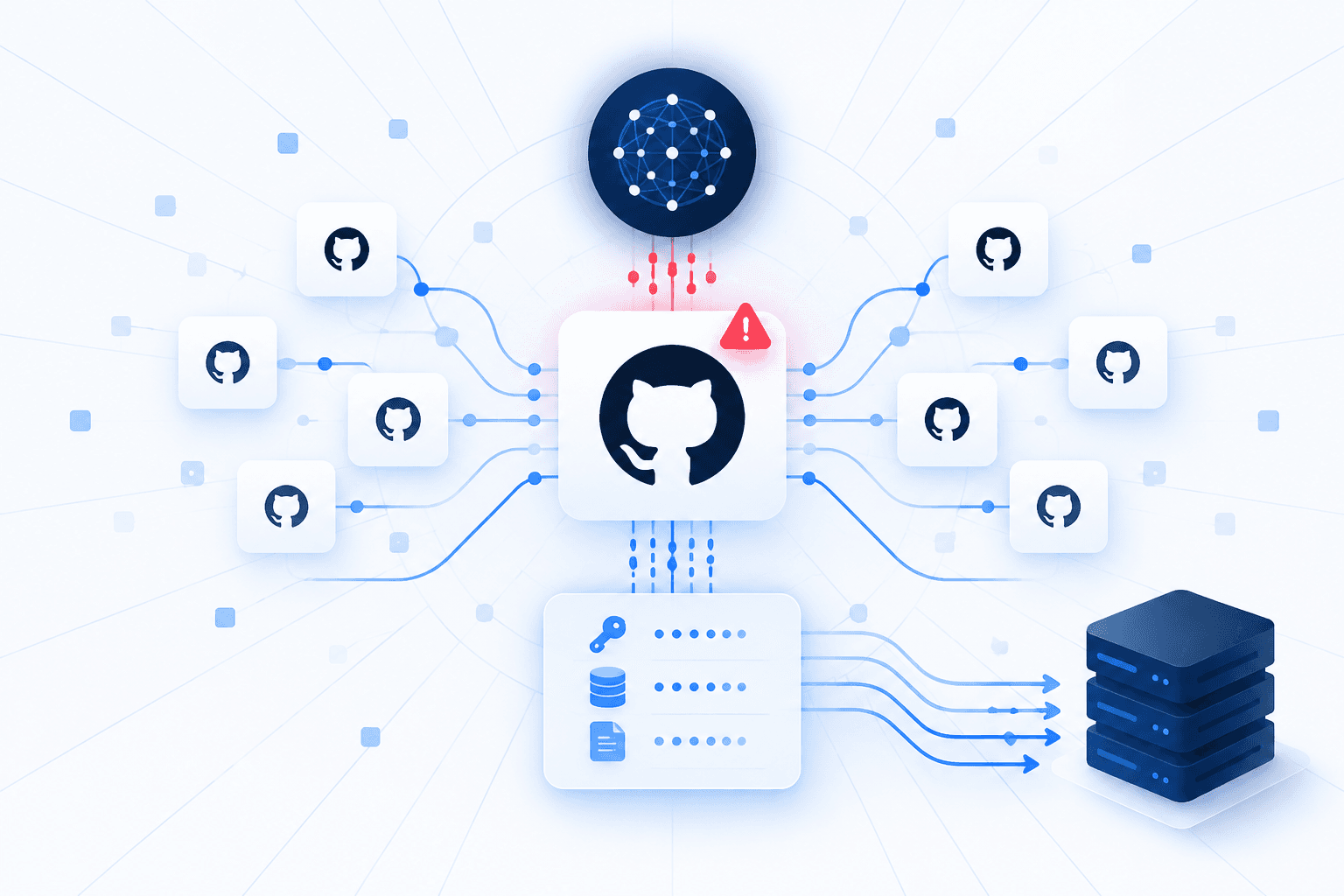
Datadog Security Research reported sustained campaigns abusing GitHub’s public and authenticated APIs to enumerate enterprise organizations, repositories, and users while blending into normal developer traffic. The activity relied on automated scraping through endpoints including /graphql, dormant “ghost” GitHub accounts, and in some cases compromised OAuth tokens or personal access tokens. Researchers identified more than 50 ghost accounts since October 2025, along with recurring user agents such as GitHub-Company-Scraper, GitHub-Scraper-Tool/1.0, GitHubAnalytics/1.5, GitHub-Commit-Fetcher/1.3, GitHub-Commit-Fetcher/1.4, and GitHub-Event-Fetcher/2.2, with some infrastructure linked to 3xK Tech.
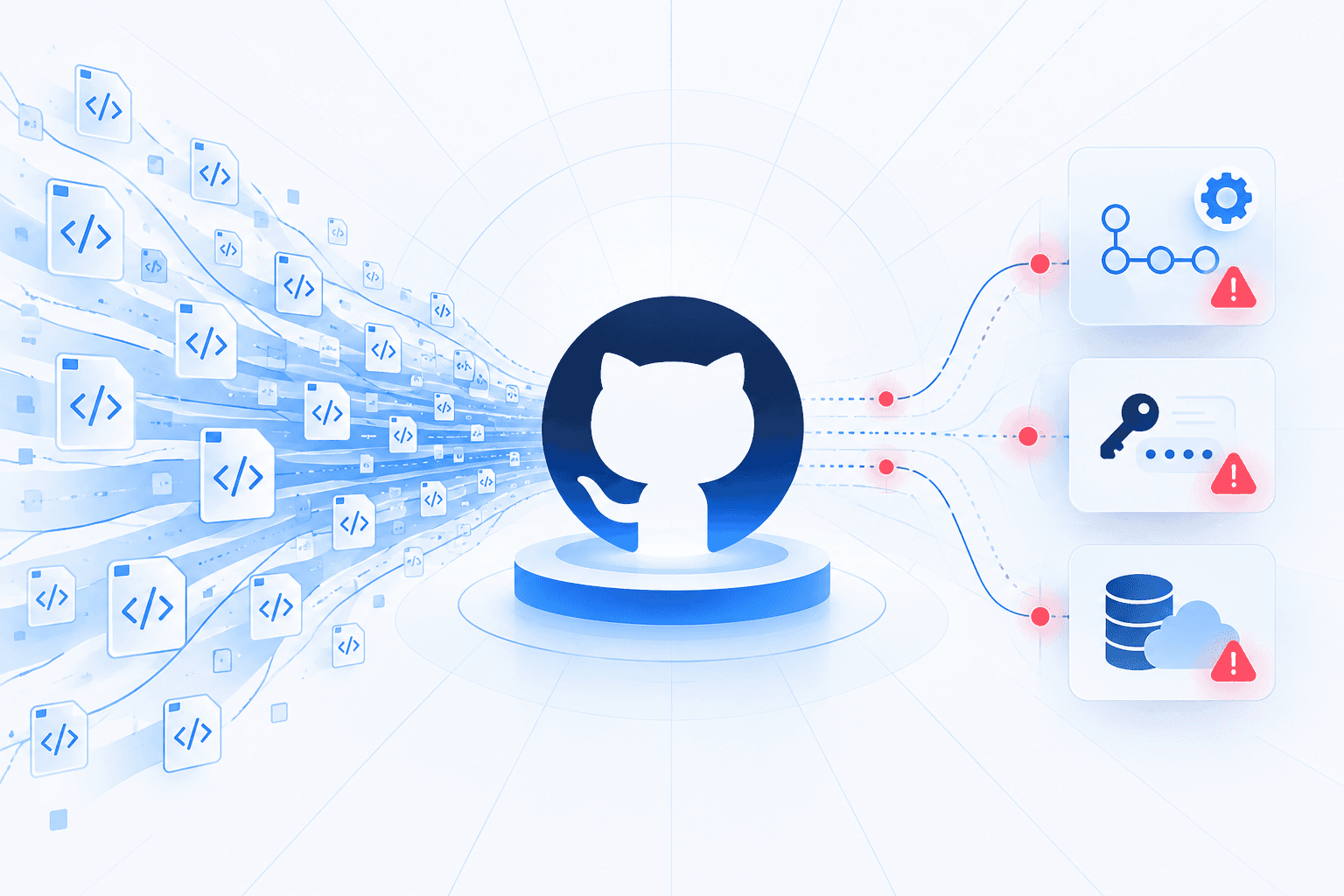
While much of the traffic queried public data and appeared benign in isolation, researchers said the aggregate behavior amounted to coordinated reconnaissance that could support later theft of secrets, repository cloning, or broader intrusion activity. In a more serious observed case, a tool identified as repo-dumper successfully cloned or accessed a private repository, with GitHub audit logs showing git.clone and api.request events against private paths. Defenders were urged to baseline GitHub audit activity and hunt for unusual user agents, actor names, token types, source ASNs, and successful access to private resources, while also enforcing MFA, conducting access reviews, enabling audit log streaming, and using repository secret scanning.
Why it matters
Impact assessment
Datadog describes a sustained, multi-campaign reconnaissance effort against GitHub organizations that affects enterprises relying on GitHub for source code, collaboration, and developer identity mapping. The immediate impact is highest for organizations with exposed OAuth tokens or personal access tokens, because observed activity progressed from public enumeration to attempted and confirmed access to private repositories.
The scope is broader than a single victim or actor: activity has reportedly targeted multiple organizations since at least October 2025 using more than 50 dormant accounts and compromised legitimate accounts. Exploitation in the wild is confirmed, including rare but serious cases of successful private repository cloning or access, creating risk of source code theft, secret exposure, follow-on intrusion, and reputational damage.
Supporting facts
- Affected platform: GitHub enterprise and corporate GitHub organizations.
- Affected populations: developers, repository owners, GitHub organization administrators, and security teams responsible for source code platforms.
- Exposure includes:
- Public organization and repository enumeration
- User and membership mapping
- Social graph collection via followers/following
- Gist and starred repository collection
- Private repository access when attackers possess exposed OAuth tokens or personal access tokens
- Datadog observed multiple overlapping campaigns rather than a single actor.
- More than 50 dormant “ghost” GitHub accounts were active since October 2025.
- Ghost accounts were typically created 2-5 years earlier and activated in bursts lasting 1-3 weeks.
- In limited incidents, attackers escalated beyond reconnaissance and successfully cloned private repositories.
- GitHub audit logs in at least one confirmed case showed
git.cloneandapi.requestevents against private paths. - The aggregate behavior supports later theft of secrets, repository cloning, and broader intrusion activity.
- Scope assessment: widespread reconnaissance across many organizations, with targeted escalation against selected organizations where valid tokens were available.