Mallory
← Back to News
build-pipeline-compromisecredential-stealer-activitypersistence-methoddefense-evasion-method

GhostAction Floods GitHub With 72,026 Malicious Commits Targeting CI and Developer Secrets

Supply Chain Risk · 4 sources · Updated 24d ago · First seen Oct 27, 2026
GhostAction Floods GitHub With 72,026 Malicious Commits Targeting CI and Developer Secrets

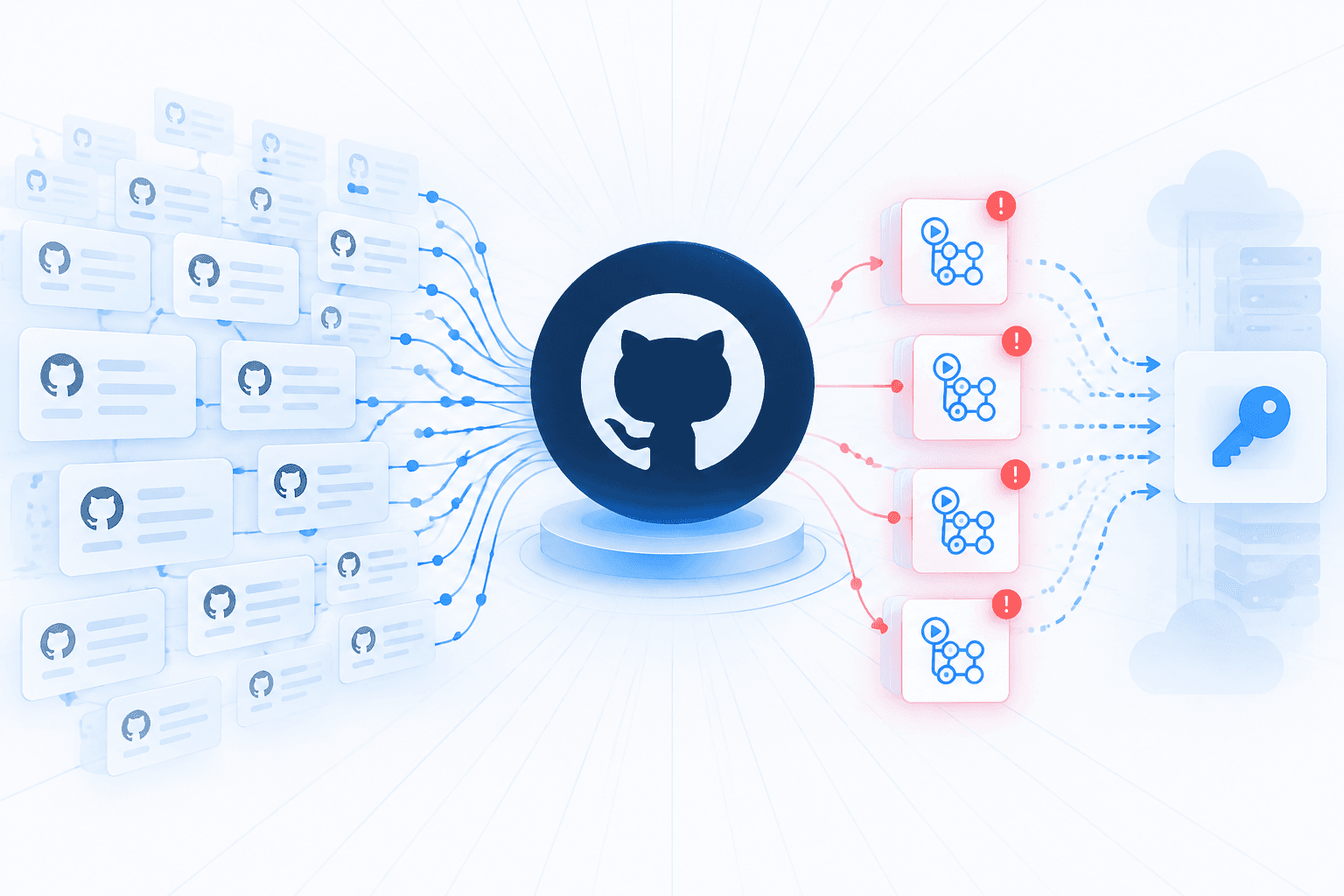
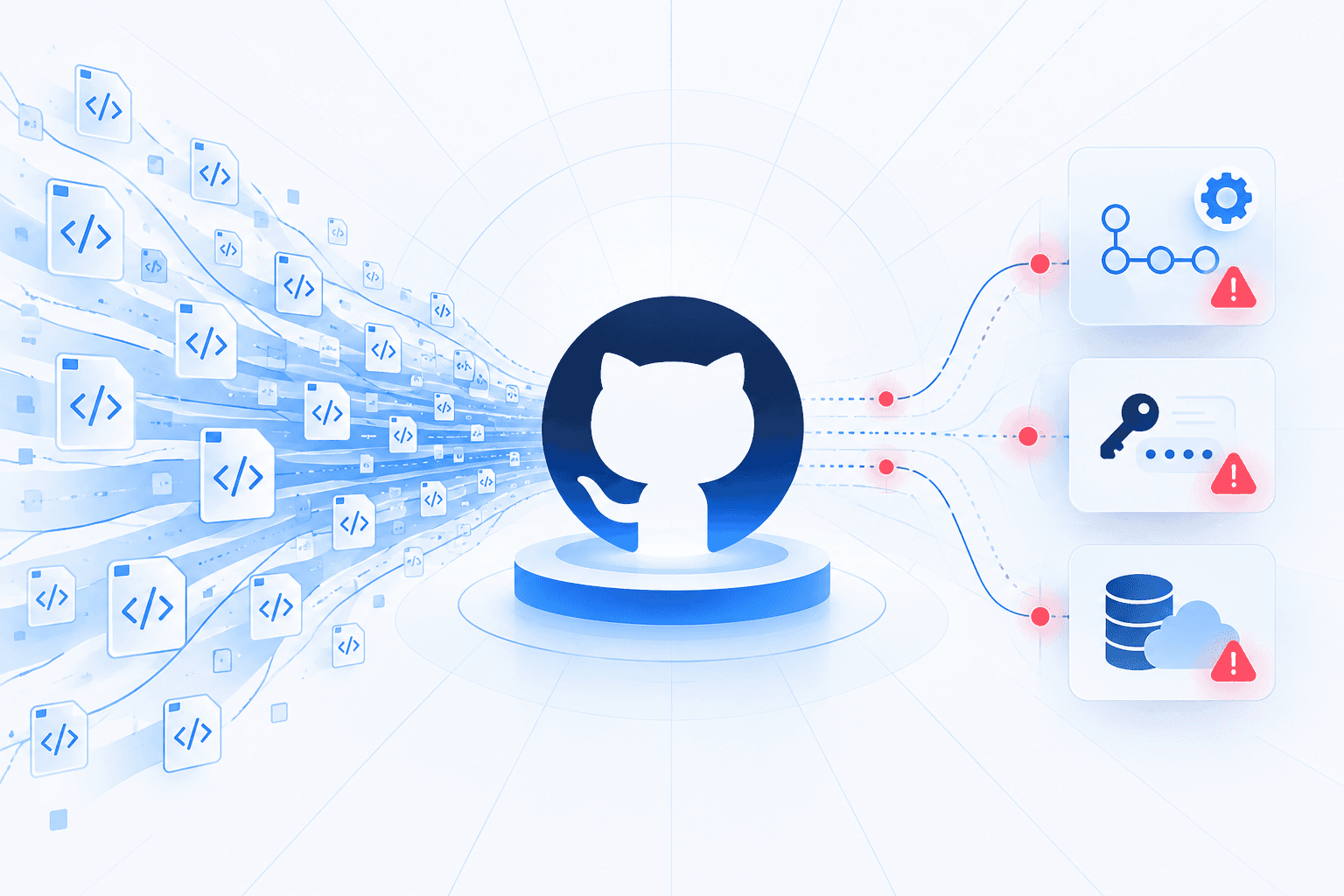
GhostAction expanded its credential-theft campaign across GitHub, pushing 72,026 malicious commits to 22,964 public repositories over nine days, according to GitGuardian research. Reporting also identified 1,792 compromised accounts, with substantial reuse of previously compromised accounts. Five payload families target GitHub-hosted and self-hosted CI runners, developer endpoints, and AWS roles accessible through GitHub OpenID Connect (OIDC). GhostAction adopted a launcher associated with PolinRider, and 188 GhostAction commits were subsequently pushed with PolinRider loaders, but researchers found no clear evidence linking the campaigns to the same operator.

GitHub blocked the malicious workflow executions observed by researchers, but that protection does not cover every execution path: a Node.js stealer disguised as a font file can run outside CI when a developer opens and trusts an affected repository in VS Code. Three GhostAction payloads also establish recurring cron-based persistence, meaning repository cleanup alone is insufficient. Affected organizations should revoke exposed credentials, investigate developer machines and self-hosted runners, remove persistence, and review AWS role access through GitHub OIDC.

Why it matters

GhostAction pushed 72,026 malicious commits across 22,964 public GitHub repositories using 1,792 compromised accounts during a nine-day October 2026 wave; researchers describe these counts as lower bounds. Potential consequences include theft of developer and CI/CD credentials, unauthorized cloud access, downstream supply-chain compromise, and persistent access to developer endpoints or self-hosted runners. GitHub blocked the malicious workflow executions observed by researchers, but this does not establish protection against the separate VS Code execution path or confirm whether developer endpoints were compromised.

  • Industry-specific impact is not established. The affected population comprises repository owners, developers, and CI/CD operators; the supplied content does not identify affected organizations by industry. Generic GitHub, AWS, and developer-tool exposure does not establish sector-specific impact.
  • Geography-specific impact is not established. No affected operations, user populations, or geographic targeting are identified; infrastructure addresses and prior attribution of a separate campaign do not establish victim geography.
  • Continued exposure: 1,382 of the 1,792 pushing accounts had also delivered the October 8 payload, indicating reuse of previously stolen, unrevoked credentials. Three payload variants install recurring persistence, so repository cleanup alone may leave access intact.

Source: GitGuardian research.

Does this reach your builds?Trace attribution and downstream blast radius.
Trace the chain
Event timeline

How this story unfolded

Events from the most recent confirmed update back to the earliest known activity.

8 events · Oct 2026 – Oct 22, 2026
  1. Reported Oct 27, 20261mo ago

    Researchers detail VS Code execution and recurring GhostAction persistence

    GitGuardian documented a Node.js stealer disguised as fa-solid-400.woff2 that runs through a hidden VS Code folderOpen task when a developer opens and trusts an affected workspace, outside GitHub's workflow controls. The font stealer, self-hosted workflows, and full1 variant also install #ghc2 cron persistence that retrieves and executes a remote shell script every five minutes.

    GhostAction Crosses Paths With PolinRider: Inside the October Escalation
  2. Oct 22, 20261mo ago

    PolinRider loaders appear in 188 GhostAction commits

    Between October 22 and 26, 188 GhostAction commits were pushed with PolinRider loaders, mostly through amendments and force-pushes that preserved author, date, and commit message. Researchers found no clear evidence of a shared operator, favoring launcher copying and overlapping compromised accounts as their working hypothesis.

    GhostAction Crosses Paths With PolinRider: Inside the October Escalation
  3. Oct 21, 20261mo ago

    Researchers record the wave's last observed GhostAction commit

    The last GhostAction commit observed in the researchers' feed occurred at 04:37 UTC on October 21. The observation does not establish that all campaign activity stopped.

    GhostAction Crosses Paths With PolinRider: Inside the October Escalation
  4. Oct 20, 20261mo ago

    Legacy OIDC payload returns to target AWS role credentials

    On October 20, GhostAction reintroduced its Legacy OIDC family through github_actions_security.yml; researchers counted 568 commits across 418 repositories. The payload attempts to exchange GitHub OIDC tokens for AWS sessions by assuming IAM role ARNs found in environment variables and then exfiltrate those sessions.

    GhostAction Crosses Paths With PolinRider: Inside the October Escalation
  5. Oct 14, 20262mo ago

    GhostAction pushes 67,556 commits during a three-day surge

    GhostAction generated 67,556 commits from October 14 through October 16. Activity peaked on October 15 with 32,099 commits.

    GhostAction Crosses Paths With PolinRider: Inside the October Escalation
  6. Oct 9, 20262mo ago

    GitHub begins blocking GhostAction workflow executions

    Around October 9, GitHub began blocking new malicious workflow runs. Researchers found no successful execution of the GhostAction malicious workflows they observed in the subsequent wave.

    GhostAction Crosses Paths With PolinRider: Inside the October Escalation
  7. Oct 8, 20262mo ago

    GhostAction plants credential-stealing workflows in about 30,000 repositories

    During the October 8–12, 2026 wave, GhostAction placed security-audit.yml in approximately 30,000 repositories. The workflow searched working trees and complete Git histories for credentials.

    GhostAction Crosses Paths With PolinRider: Inside the October Escalation
  8. Oct 2026

    GhostAction expands to five payload families targeting CI and developer endpoints

    Researchers counted 72,026 malicious commits across 22,964 public repositories during the October 2026 escalation, involving five payload families targeting CI runners, developer endpoints, and AWS access through GitHub OIDC. Of 1,792 pushing accounts, 1,382 had also pushed the October 8 payload, indicating reuse of previously stolen, unrevoked tokens.

    GhostAction Crosses Paths With PolinRider: Inside the October Escalation
Linked entities

Related entities

Vulnerabilities, threat actors, malware, products, organizations, breaches, and observables Mallory has linked to this story. Indicator values are masked here and available in full in the app.

Open in app →

Threat actors

1 linked

Affected products

2 linked
GithubAws Identity And Access Management

Organizations

2 linked
Amazon Web ServicesGitHub

Observables

11 linked

Indicator values are masked on this page. View all 11 in Mallory Domains, IPs, hashes, and URLs are exportable to your SIEM.

Do you run this?See attribution and downstream blast radius, and whether this package or vendor reaches your builds.
Trace the Supply Chain
Mallory platform

See the full picture, correlated to your attack surface.

This page covers what’s public. Mallory adds the parts that aren’t: which of your assets are affected, which threat actors are using it right now, and what to deploy next.

Exposure mappingMap indicators from this story to your assets and identify affected systems in minutes.
Threat actor evidenceEvery observed campaign, victim, and pivot linked to actors named in this story.
Associated malwareMalware, exploits, and IOCs connected to the activity described here.
Detection signaturesYARA, Sigma, and Snort rules deployed to your SIEM as soon as they’re published.
Scheduled alertsGet matching new stories delivered to your team as they break, not the next morning.
AI threadsAsk questions about this story and take action on the answers.