GhostAction Plants Credential-Stealing Workflows Across Thousands of GitHub Repositories
Supply Chain Risk · 3 sources · Updated 19d ago · First seen Oct 9, 2026

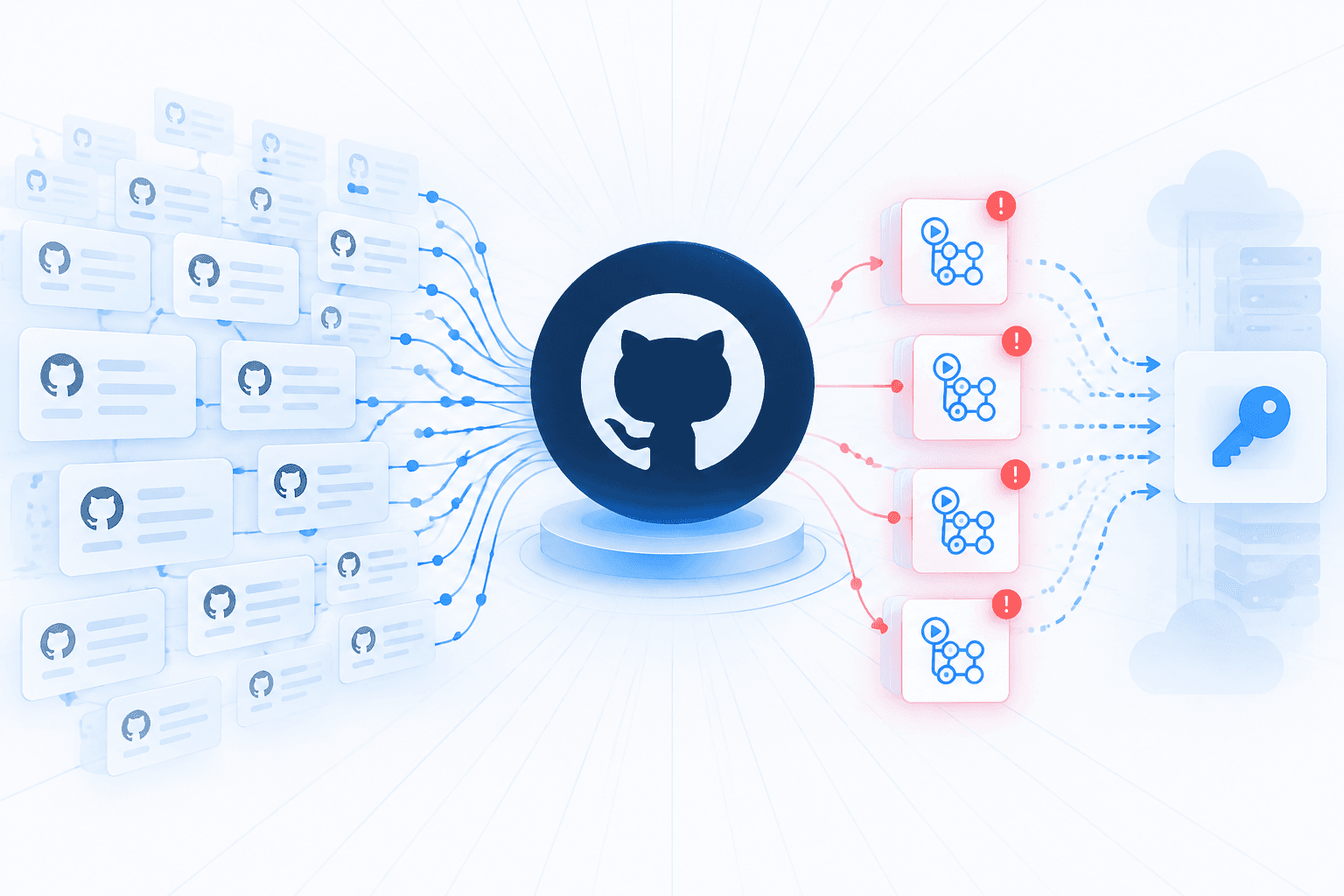
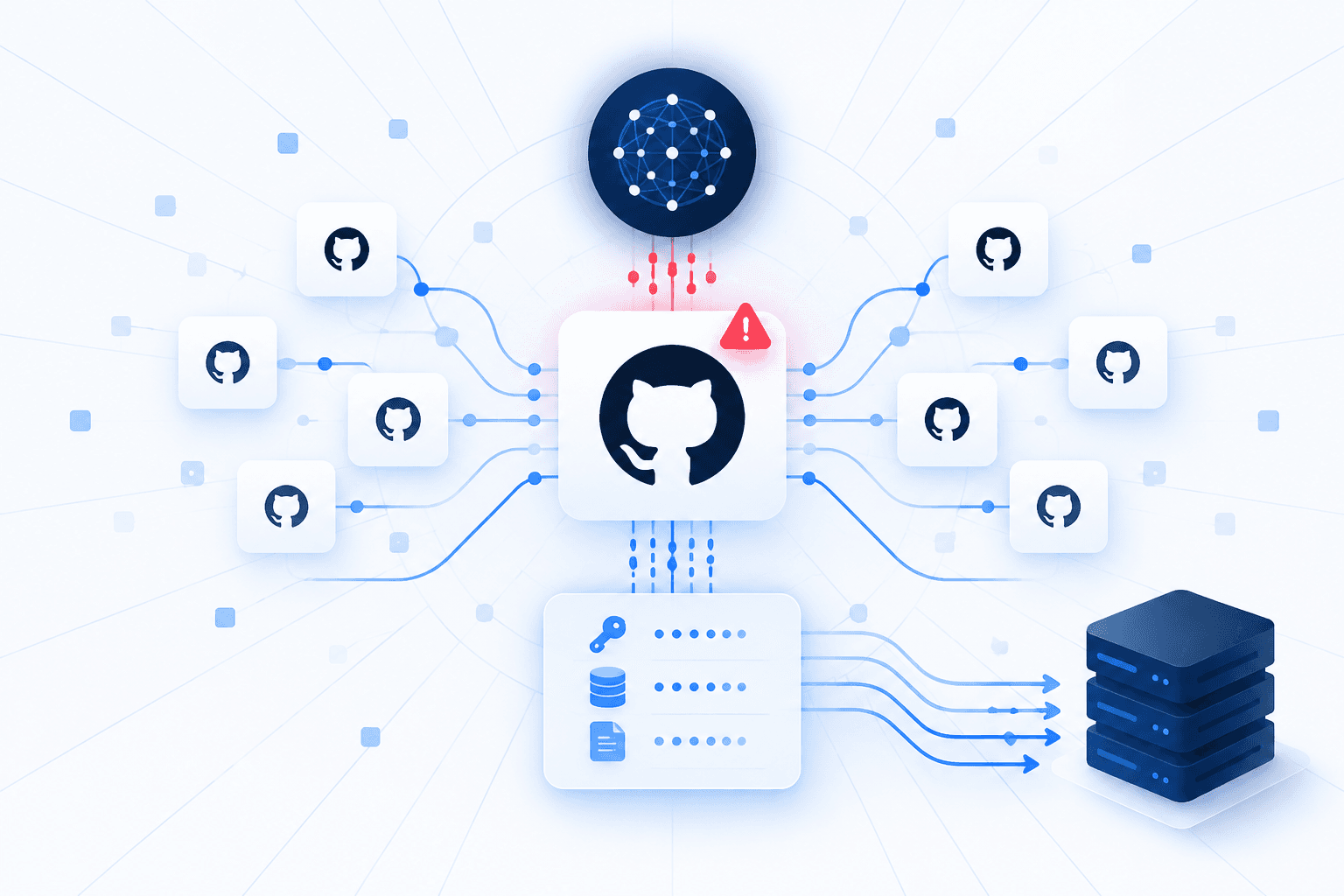
A GhostAction supply-chain campaign reportedly compromised more than 500 GitHub accounts to distribute credential-stealing GitHub Actions workflows across tens of thousands of repositories. Socket investigated an October 8 burst in which hijacked accounts henrywoo and kitao added a malicious security-audit.yml workflow to 346 repositories, including Uber’s uber/athenadriver and the Pyxel game engine. Disguised as a security audit, the workflow steals GitHub Actions secrets and searches repository files and complete Git history for cloud credentials, AI API keys, and development and package-publishing tokens, sending collected data over plaintext HTTP to 193.32.204[.]199.
Socket found that the workflow had successfully executed in affected repositories and remained on examined default branches as of October 9, indicating potential credential exposure. It had not observed resulting malicious releases on PyPI or crates.io, but that did not establish that stolen credentials remained unused. Affected organizations should remove the malicious workflow, revoke and rotate potentially exposed credentials—including secrets in historical commits—secure compromised maintainer accounts, and review workflow executions and audit logs for unauthorized activity. Enabling secret-scanning protections can help identify additional exposure.
Why it matters
GhostAction reportedly compromised more than 500 GitHub accounts and planted credential-stealing workflows across tens of thousands of repositories; Socket examined 346 repositories modified through two hijacked accounts. Successful malicious workflow executions establish active exploitation and potential credential theft, creating risks of cloud-account abuse, unauthorized service charges, infrastructure compromise, and malicious package publishing. Socket had not observed resulting malicious PyPI or crates.io releases, and its reported repository checks date to October 9, 2026—not the November 9 publication date.
- Industry-specific impact: Industrials (20) is supported by the affected Uber-owned
uber/athenadriverrepository; this establishes repository compromise, not disruption of Uber's transportation operations. Information Technology (45) is supported by the affected Pyxel software-development project, whose workflow targeted package-publishing credentials. These are observed repository-level impacts, not evidence that targeting was exclusive to either sector. Source - Geography-specific impact is not established. The supplied reporting identifies affected accounts and repositories but does not establish affected operations, populations, or targeting in any particular country.
- Scope caveat: The reported campaign-wide scale, Socket's 346-repository investigation, and OpenSourceMalware's 790-repository count are different observations and should not be treated as equivalent independently verified totals.