Mallory
← Back to News
autonomous-system-securityoperational-disruptiondefault-credential-exposureenforcement-action

India Blocks BAT-BMS Apps Used to Disable E-Rickshaws

Emerging Technology Risk · 5 sources · Updated 5mo ago · First seen Jul 7, 2026
India Blocks BAT-BMS Apps Used to Disable E-Rickshaws

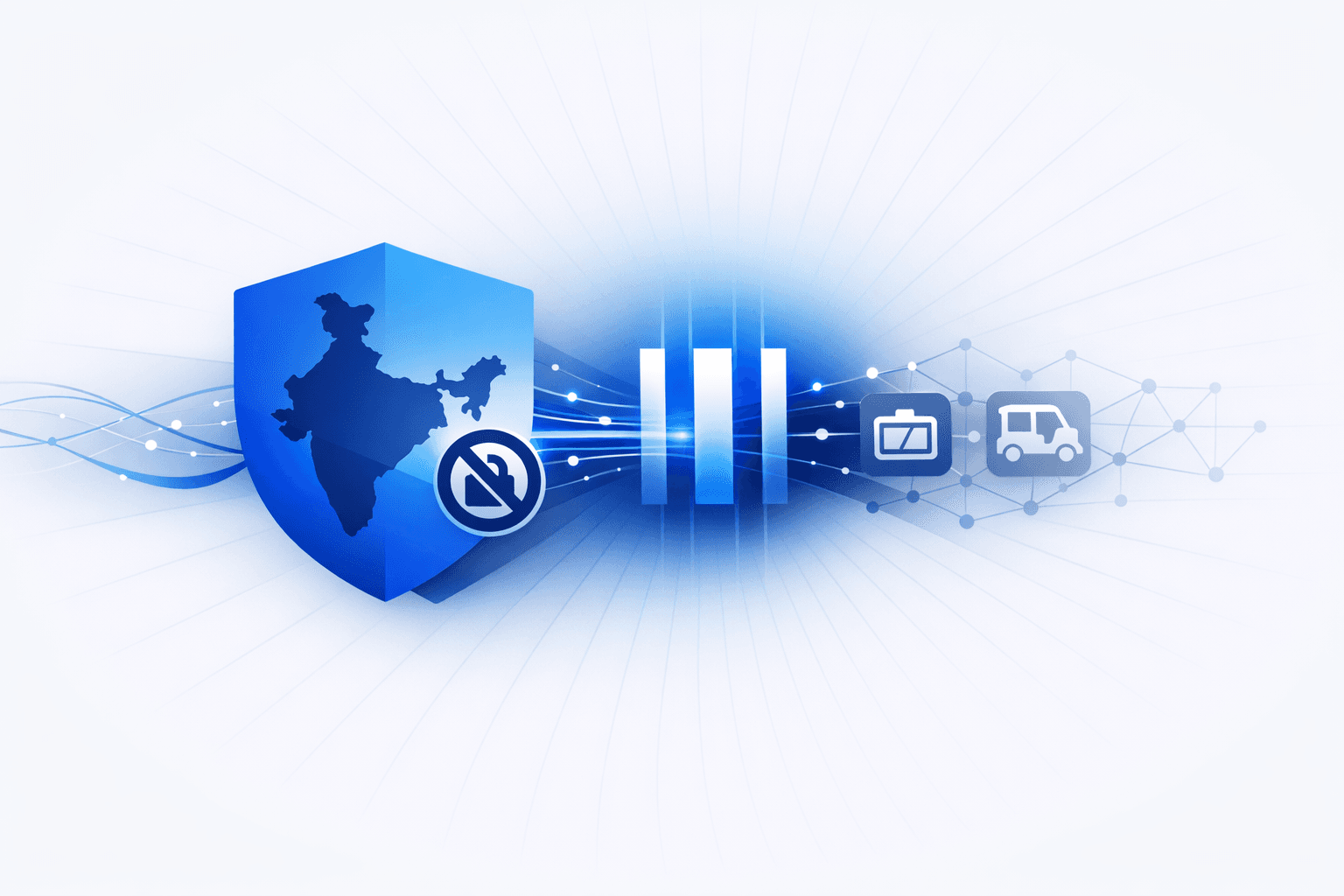
Indian authorities ordered the blocking of seven battery management system mobile apps, including BAT-BMS, after they were abused to remotely disable electric rickshaws and some e-scooters by connecting over Bluetooth to compatible lithium batteries. The misuse spread through viral videos and a prank trend known as the Tirri Challenge, leaving drivers stranded in traffic and causing service disruptions in multiple locations. Officials also linked the capability to extortion, including a case in Ujjain, Madhya Pradesh, where police arrested a suspect accused of immobilizing e-rickshaws and demanding payment from drivers.

The Ministry of Electronics and Information Technology directed Google and Apple to remove the identified apps from their Indian app stores and warned marketplaces to apply greater due diligence where public safety is at risk. The action does not fully eliminate the threat, however, because the apps may still be available through third-party stores or alternate store regions, and vulnerable battery systems can still be accessed over Bluetooth if they lack password or PIN protection. The incident has intensified scrutiny of missing cybersecurity requirements in India’s e-rickshaw certification standards and the broader risks posed by connected electric mobility systems.

Why it matters

Impact assessment

The affected population is primarily electric rickshaw and low-speed e-scooter operators in India using Bluetooth-accessible battery management systems, especially vehicles with compatible lithium batteries from some Chinese vendors. The impact is operationally disruptive rather than data-centric: vehicles can be immobilized in traffic, drivers lose revenue, passengers are stranded, and public safety risk increases.

The exposure appears widespread across a consumer and commercial mobility segment rather than narrowly targeted, because abuse spread through viral social media content and relied on legitimate mobile apps rather than bespoke malware. There are confirmed incidents of exploitation in the wild, including multi-location service disruption and at least one reported extortion case in Ujjain, Madhya Pradesh.

Supporting facts

  • India ordered blocking of seven battery management system mobile apps after they were abused to remotely disable EV batteries.
  • BAT-BMS was specifically cited as being used to disable e-rickshaws and some e-scooters.
  • Abuse was associated with the Tirri Challenge prank trend and viral videos showing stranded drivers.
  • Service disruptions were reported in multiple locations across India.
  • Authorities linked the capability to extortion; police in Ujjain arrested a suspect accused of immobilizing e-rickshaws and demanding payment.
  • App-store removal reduces casual access but does not eliminate exposure because apps remain available via third-party stores or alternate store regions.
  • Existing Indian e-rickshaw certification standards reportedly lack cybersecurity requirements, increasing systemic exposure in this vehicle class.
New surface, new adversariesTrack how attackers are adapting to this technology.
Track this risk
Event timeline

How this story unfolded

Events from the most recent confirmed update back to the earliest known activity.

4 events · Jul 7, 2026 – Jul 12, 2026
  1. Jul 12, 20265mo ago

    India prepares new EV cybersecurity rules after battery tampering incidents

    The Indian central government is preparing new cybersecurity regulations for electric two- and three-wheelers to address unauthorized battery and software tampering. Proposed measures include stronger software security requirements, possible restrictions on exploitable mobile apps, and linking future roadworthiness certification to the absence of such vulnerabilities.

    Centre Plans New Cybersecurity Norms for Electric Two- and Three-Wheelers to Address Battery Tampering Risks - CySecurity News - Latest Information Security and Hacking Incidents
  2. Jul 7, 20265mo ago

    Indian government orders app-store blocking of seven battery apps

    The Indian government ordered the blocking of seven battery management system mobile applications after determining they were being misused to remotely disable batteries in electric vehicles and e-rickshaws. MeitY directed Google and Apple to remove the identified apps from their Android and iOS app stores in India.

    Centre Orders Blocking of Battery Management Apps Exploited to Disable E-Rickshaws - CySecurity News - Latest Information Security and Hacking Incidents
  3. Jul 7, 20265mo ago

    Ujjain police arrest suspect in e-rickshaw battery extortion case

    In Ujjain, Madhya Pradesh, police arrested a suspect accused of remotely immobilizing e-rickshaws and demanding payment from drivers. The arrest tied the battery-disabling abuse to a criminal extortion scheme rather than only prank activity.

    Centre Orders Blocking of Battery Management Apps Exploited to Disable E-Rickshaws - CySecurity News - Latest Information Security and Hacking Incidents
  4. Jul 7, 20265mo ago

    BAT-BMS app abused to remotely disable e-rickshaws in India

    Attackers and pranksters misused the legitimate Bluetooth-enabled BAT-BMS battery management app to connect to compatible lithium batteries and shut down e-rickshaws, causing service disruptions in multiple locations in India. Some incidents also reportedly affected e-scooters, and the abuse was linked to extortion in at least one case.

    Centre Orders Blocking of Battery Management Apps Exploited to Disable E-Rickshaws - CySecurity News - Latest Information Security and Hacking Incidents
Linked entities

Related entities

Vulnerabilities, threat actors, malware, products, organizations, breaches, and observables Mallory has linked to this story. Indicator values are masked here and available in full in the app.

Open in app →

Organizations

1 linked
Chinese battery management application developers

Observables

17 linked

Indicator values are masked on this page. View all 17 in Mallory Domains, IPs, hashes, and URLs are exportable to your SIEM.

Do you run this?Follow how adversaries are adapting to this technology, and where it touches your stack today.
Track This Risk
Mallory platform

See the full picture, correlated to your attack surface.

This page covers what’s public. Mallory adds the parts that aren’t: which of your assets are affected, which threat actors are using it right now, and what to deploy next.

Exposure mappingMap indicators from this story to your assets and identify affected systems in minutes.
Threat actor evidenceEvery observed campaign, victim, and pivot linked to actors named in this story.
Associated malwareMalware, exploits, and IOCs connected to the activity described here.
Detection signaturesYARA, Sigma, and Snort rules deployed to your SIEM as soon as they’re published.
Scheduled alertsGet matching new stories delivered to your team as they break, not the next morning.
AI threadsAsk questions about this story and take action on the answers.