Bluetooth Authentication Failures Enable Unauthorized Control of Personal Mobility Devices
Vulnerability Disclosure · 2 sources · Updated 5mo ago · First seen Jan 16, 2026
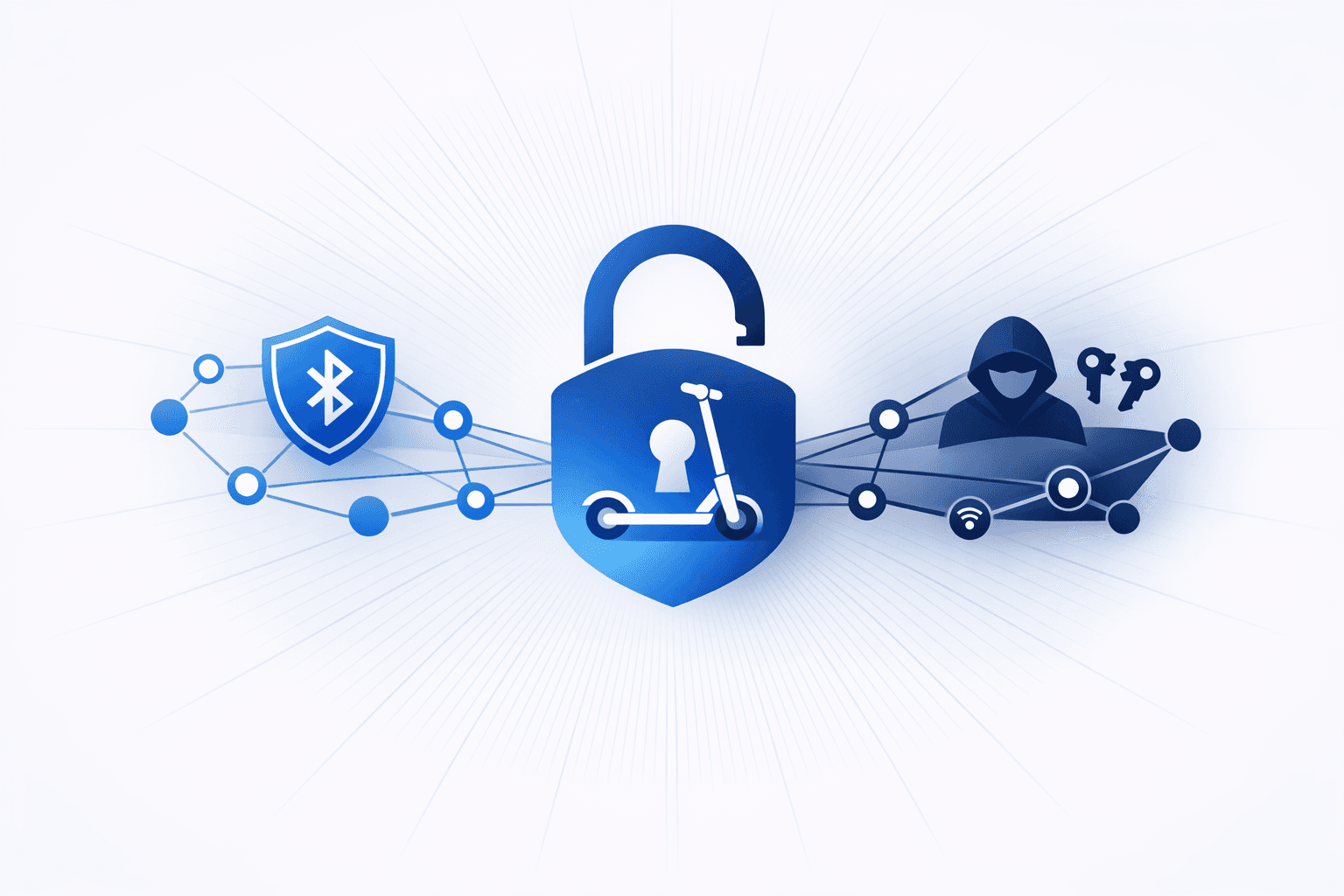
Security researchers reported serious Bluetooth security weaknesses in personal mobility devices that allow unauthorized control at close range. An Estonian researcher reverse-engineered Äike’s app-controlled e-scooters after the company’s bankruptcy and alleged the scooters shipped with a single default/private “master” key rather than unique per-device secrets, enabling anyone who derives the key to generate valid challenge-response authentication and unlock/control any scooter model the company sold.
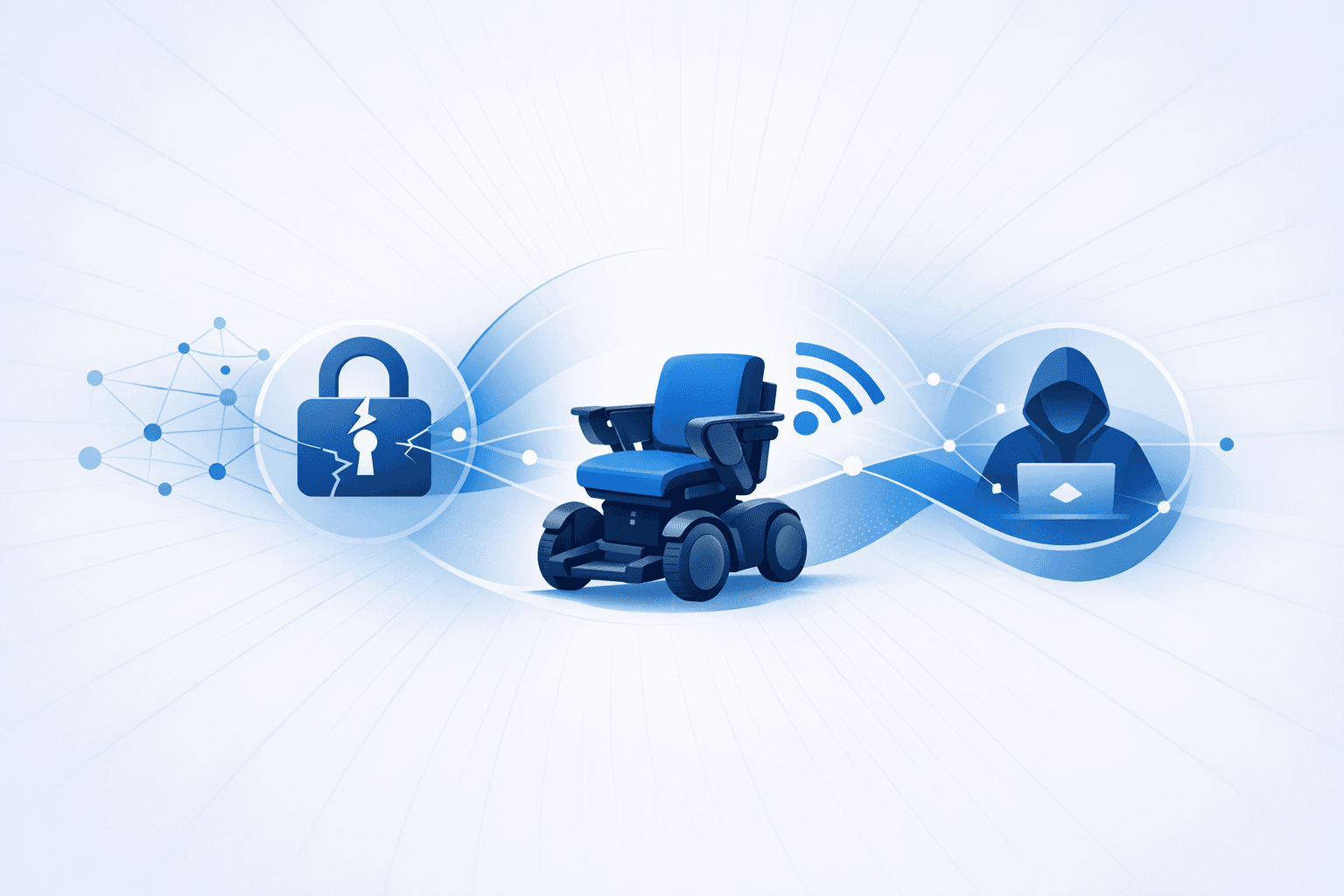
Separately, researchers demonstrated remote control of WHILL wheelchairs over Bluetooth, prompting a CISA advisory stating the devices did not enforce authentication for Bluetooth connections. An attacker within Bluetooth range could pair without credentials or user interaction and then control movement, override speed restrictions, and alter configuration profiles—highlighting a broader risk pattern where weak or missing Bluetooth authentication in mobility/IoT products can translate directly into physical safety impacts.
Why it matters
Summary
Weak or missing Bluetooth authentication in personal mobility devices creates direct physical safety risk, not just data exposure. Affected populations include consumer e-scooter owners and wheelchair users, with impact ranging from unauthorized unlocking and theft to unsafe movement control and speed/profile manipulation by any attacker within Bluetooth range.
Supporting details
Affected entities and products
- Äike app-controlled consumer e-scooters are reportedly affected by a shared default/private Bluetooth authentication key.
- WHILL wheelchairs are affected by Bluetooth connections that reportedly do not enforce authentication.
- End users of assistive mobility devices face elevated personal safety risk because compromise can directly affect movement and operating limits.
Severity and business impact
- Äike exposure can enable unauthorized unlocking and control of nearby scooters, creating theft, misuse, and liability risk.
- WHILL exposure can enable unauthorized movement control, speed restriction overrides, and configuration changes, creating potential bodily harm and severe reputational impact.
- Vendor bankruptcy in the Äike case increases operational risk because there may be no viable remediation channel or backend continuity.
Scope and exploitation
- The attack scope is proximity-limited but potentially broad across all affected devices of a given model line because the weakness is architectural, not user-specific.
- For Äike, the researcher alleges the same method works against any scooter model sold by the company if within Bluetooth range.
- For WHILL, the issue applies to devices that accept unauthenticated Bluetooth pairing within radio range.
- The story describes researcher demonstrations and CISA advisory reporting; it does not provide confirmed large-scale in-the-wild exploitation incidents.