India Mandates Pre-Installation of Sanchar Saathi Cybersecurity App on Smartphones
Regulatory & Policy · 10 sources · Updated 5mo ago · First seen Dec 1, 2025
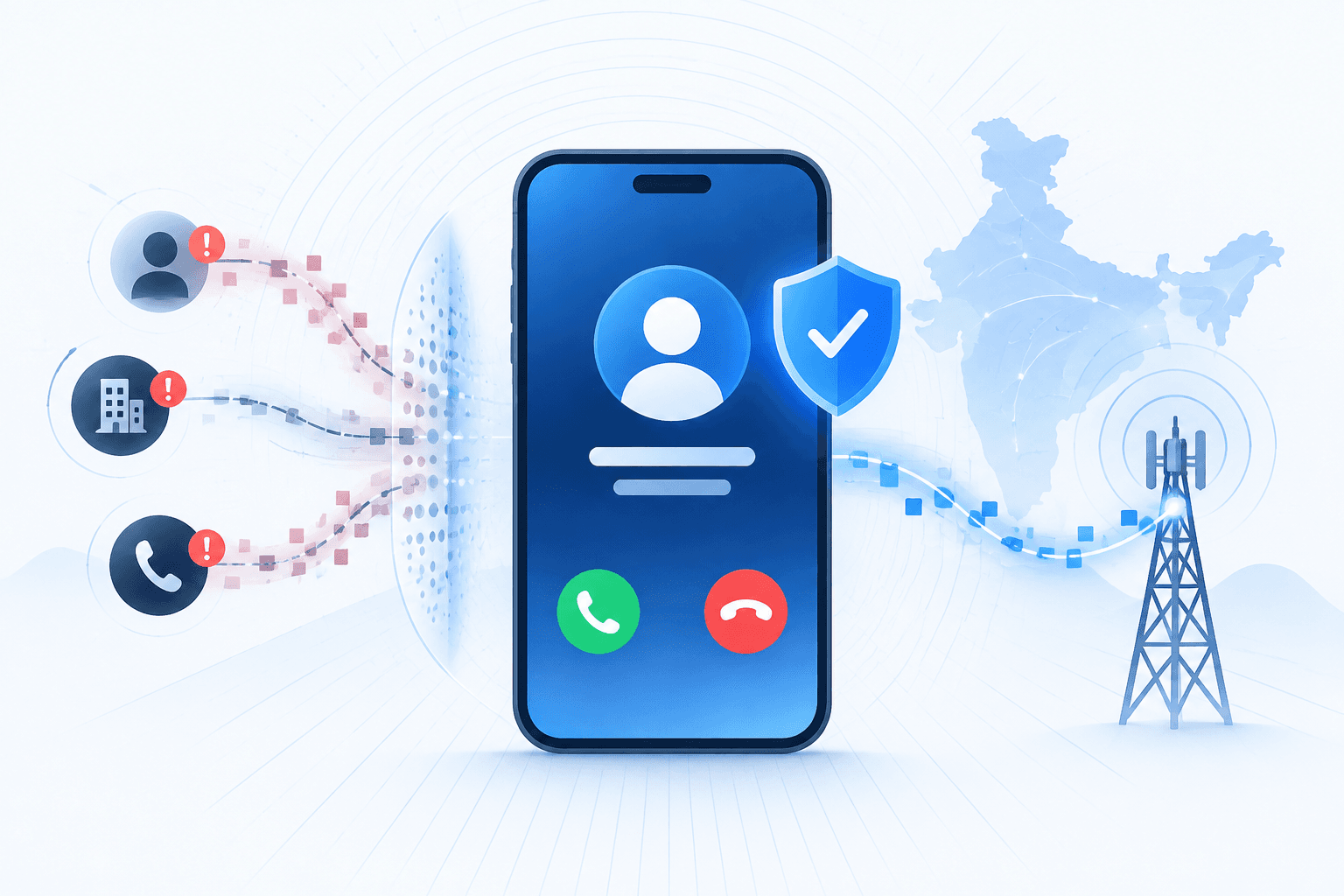
India's telecommunications ministry has issued a directive requiring all major smartphone manufacturers, including Apple, Samsung, Vivo, Oppo, and Xiaomi, to preload a government-backed cybersecurity app called Sanchar Saathi on all new devices within 90 days. The app, which cannot be deleted or disabled by users, is designed to combat telecom fraud, spam, and malicious activity by allowing users to report suspicious calls, block stolen handsets, and monitor the number of mobile connections registered in their name. The government order also mandates that devices already in the supply chain receive the app via a software update, raising concerns among industry players and privacy advocates about the lack of prior consultation and potential privacy implications.
Sanchar Saathi has already been installed over 11.4 million times and has played a significant role in blocking more than 4.2 million lost devices and recovering over 700,000 phones since its launch. The app's features include the ability to report international calls spoofed as domestic, helping authorities crack down on illegal telecom exchanges that facilitate scams and pose national security risks. The move underscores India's efforts to strengthen telecom cybersecurity amid a rapidly growing mobile user base exceeding 1.2 billion subscribers, but it also places the country alongside others like Russia in mandating pre-installed government software on consumer devices.
Why it matters
Impact assessment
India's proposed Sanchar Saathi mandate would have affected nearly all major smartphone vendors selling into India and, by extension, a very large consumer and enterprise mobile population in one of the world's largest telecom markets. The immediate cyber risk is not a confirmed compromise or exploitation campaign, but a policy-driven expansion of privileged software on devices that could materially increase privacy, surveillance, and supply-chain trust concerns.
Summary
The exposure was potentially widespread because the order targeted all new smartphones and required software updates for devices already in the supply chain, with a 90-day compliance window. The mandate was reportedly reversed within days after backlash, reducing immediate deployment risk, but organizations with users or fleets in India should still verify whether the app was preloaded, pushed by update, or granted elevated privileges.
Supporting details
- Affected entities: Apple, Samsung, Vivo, Oppo, Xiaomi, and other smartphone manufacturers selling in India.
- Affected population: India's mobile ecosystem includes more than 1.2 billion telecom subscribers and roughly 700+ million smartphones.
- User populations at risk: consumers, enterprise mobile users, BYOD users, and managed device fleets operating in India.
- Potential impact types:
- Privacy and surveillance concerns from mandatory government-backed software.
- Device security and trust concerns if the app has root-level or elevated access, as reported by critics.
- Operational disruption for vendors due to forced preload and update requirements.
- Compliance and user-experience disruption from related SIM-binding and forced sign-out rules for messaging apps.
- Scope: initially broad and systemic, not targeted to a specific sector.
- Known exploitation in the wild: none reported in the provided references.
- Confirmed incidents tied to the app itself: none reported as malicious compromise; the story is about regulatory mandate and security/privacy exposure.
- Policy status: multiple references state the Indian government later revoked or backed away from the mandate, though some groups awaited formal legal confirmation.
Structured facts extracted
- Entity: Sanchar Saathi
- Entity: Ministry of Communications / telecom ministry, India
- Entity: Internet Freedom Foundation
- Entity: Apple
- Entity: Samsung
- Entity: Vivo
- Entity: Oppo
- Entity: Xiaomi
- Entity: WhatsApp, Telegram, Signal
- Timeline facts:
- Private order reportedly issued on 2025-11-28.
- Compliance window: 90 days.
- Reversal reported less than a week later.
- Adoption/usage claims:
- 10M-14M downloads reported across references.
- 3.7M-4.2M blocked lost/stolen devices reported.
- 700,000+ recovered phones reported.
- 30M fraudulent connections reportedly terminated.
- Security/privacy concerns reported:
- Undeletable installation requirement.
- Closed-source code.
- No independent audit.
- Root-level access alleged by critics/expert commentary.