Snake Keylogger Uses Macro Loaders and Multi-Stage .NET Theft Chains
Malware Intelligence · 7 sources · Updated 5mo ago · First seen Nov 17, 2025
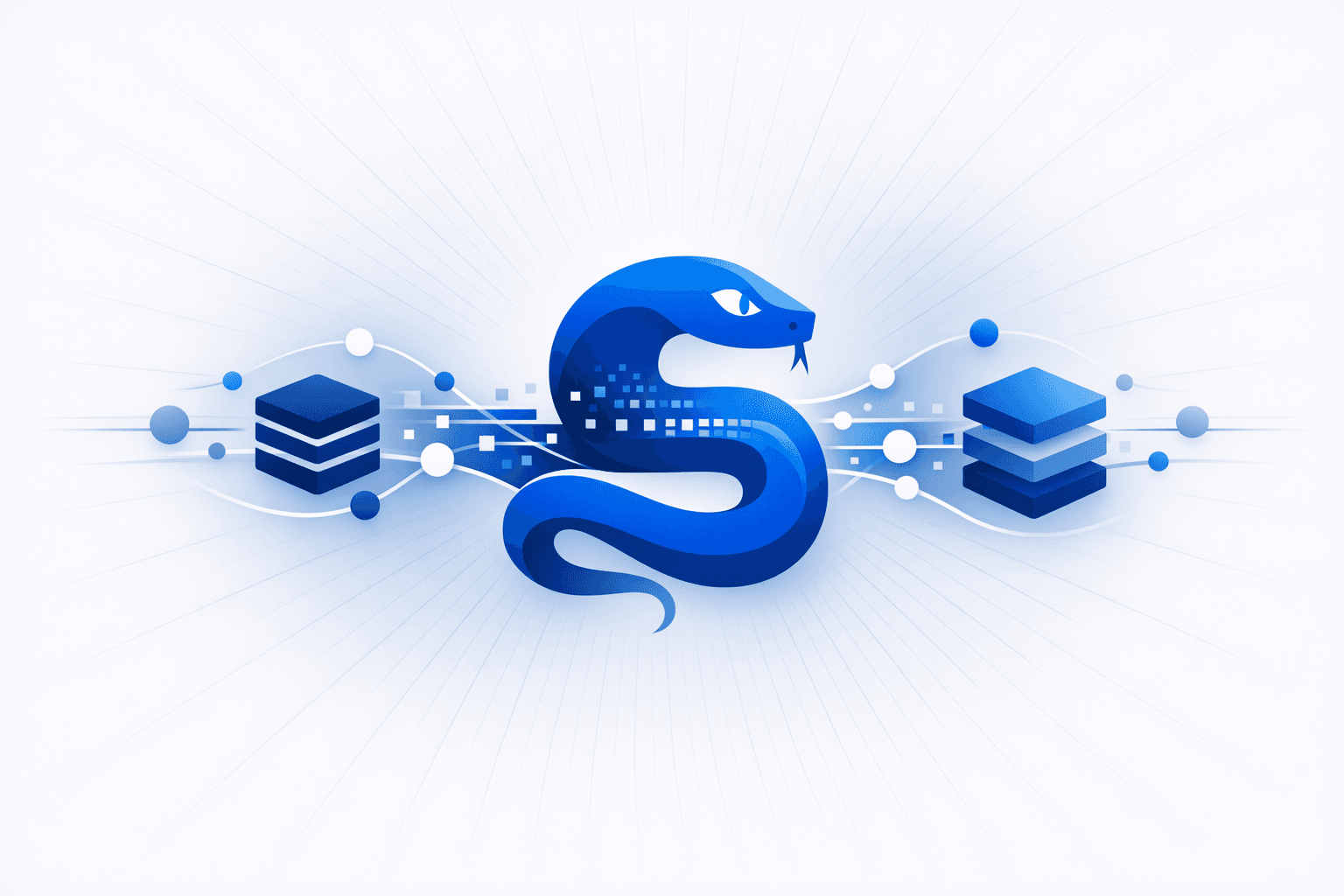
Researchers detailed how Snake Keylogger—also tracked as 404 Keylogger—continues to spread through multi-stage infection chains that begin with phishing documents or other loaders and end in credential theft, surveillance, and data exfiltration. One analyzed campaign used a malicious Microsoft Word file with VBA macros that dropped an .inf file into %TEMP% and abused LaunchINFSectionW from Advpack.dll to execute the next stage through legitimate Windows components. That chain then used built-in tools to reconstruct and launch a disguised DLL downloader, which attempted to fetch an additional payload from a remote command-and-control endpoint.
Separate technical analyses describe Snake as a long-running malware-as-a-service operation with modular .NET payloads, in-memory decryption, steganographic extraction of components, and execution techniques including process injection and process hollowing. The malware is designed to steal browser, email, FTP, Discord, and Wi-Fi credentials; log keystrokes; capture screenshots and clipboard data; profile infected hosts; and evade analysis through anti-debugging checks and termination of security tools. Researchers also reported persistence through registry keys, startup items, or scheduled tasks, and exfiltration over channels including Telegram, SMTP, and FTP, while linking the family to variants such as Matiex, Cheetah, and Nova.
Why it matters
Impact assessment
Snake Keylogger is an active credential-theft and surveillance malware family affecting Windows users across sectors, with delivery centered on phishing, malicious archives, JavaScript, Office macros, and loader ecosystems. The primary risk is theft of browser, email, FTP, Discord, Wi-Fi, and other credentials, along with keystrokes, screenshots, clipboard data, and host profiling, creating direct exposure to account compromise, follow-on intrusion, fraud, and reputational damage.
The exposure is broad rather than niche because Snake is sold as malware-as-a-service and has been used by both organized actors and lower-sophistication operators since at least 2019. There are clear reports of campaigns in the wild, including phishing lures disguised as project proposals and multi-stage document-based infections using legitimate Windows components for execution.
Supporting details
- Affected population: Windows users and enterprises exposed to phishing, especially users handling proposals, attachments, archives, Office files, or script-based content.
- Affected industries: broad cross-sector exposure; one reference notes increasing targeting of critical infrastructure.
- Business impact:
- Credential theft from browsers, mail clients, FTP clients, VPN and SSH tools, Discord, FileZilla, and Wi-Fi profiles.
- Surveillance via keylogging, screenshots, clipboard capture, and possible microphone/webcam capture.
- Follow-on risk including mailbox compromise, lateral movement, business email compromise, and reuse of stolen credentials against enterprise services.
- Scope:
- Widespread commodity threat due to MaaS distribution on underground markets and Telegram.
- Also used in campaigns linked to UAC-0041, TA558, GuLoader, and QuirkyLoader delivery chains.
- Exploitation in the wild: yes.
- ASEC documented an active phishing campaign using compressed attachments and obfuscated JavaScript.
- Additional analyses documented malicious Word macro chains and loader-based delivery.