Snake Keylogger Uses Phishing and Multi-Stage Loaders to Steal Credentials
Malware Intelligence · 3 sources · Updated 4mo ago · First seen Aug 14, 2026
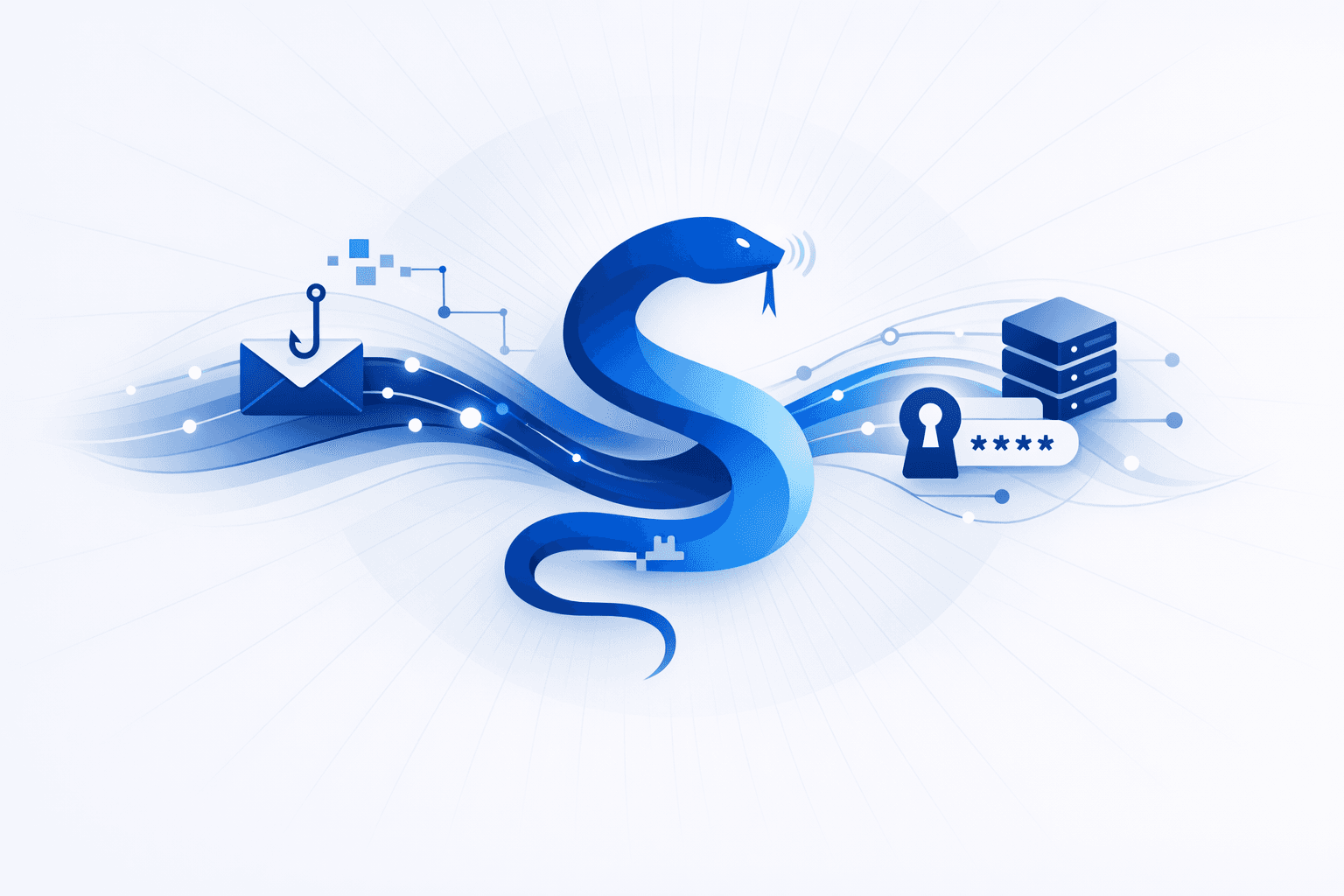
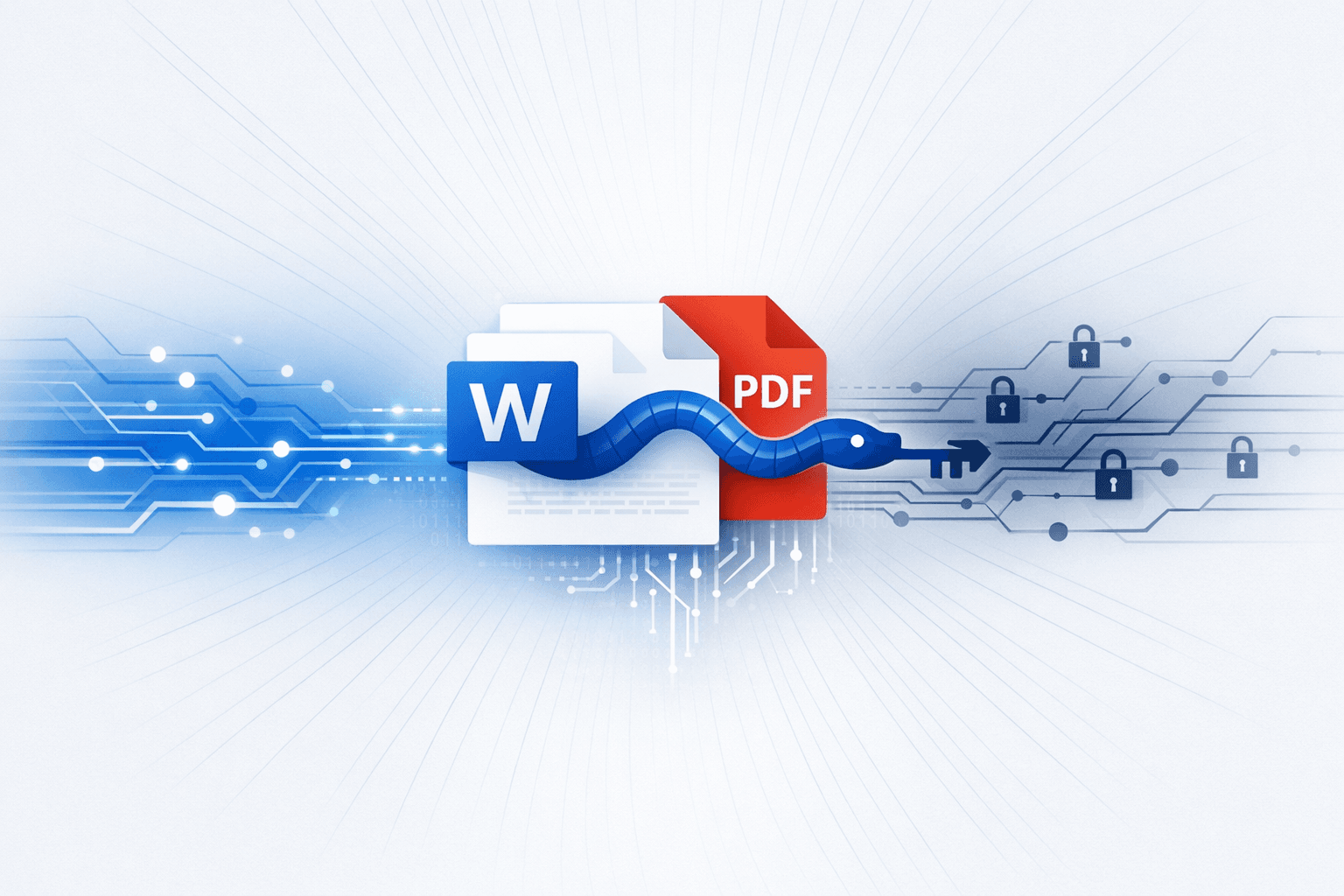
Researchers detailed ongoing Snake Keylogger activity in which attackers deliver the .NET-based infostealer through phishing emails carrying archive files, malicious executables, exploit-laden RTF documents abusing CVE-2017-11882, and Excel attachments with password-protected VBA macros. In one analyzed chain, a lure such as SeptemberOrderlist.pdf.exe decrypted intermediate .NET assemblies before launching the final payload, while another used base64-encoded PowerShell to download a Snake downloader, retrieve an RC4-encrypted DLL, and deploy the malware through process hollowing.
Snake is designed to steal credentials and other sensitive data from more than 50 applications, including browsers, email and FTP clients, communication tools, wireless profiles, and Windows product information, while also capturing keystrokes, screenshots, clipboard contents, host details, geolocation, and time data. The malware can persist through scheduled tasks or Startup-folder registry changes, evade defenses by killing security tools, adding Windows Defender exclusions, and deleting itself, and exfiltrate stolen data over SMTP, FTP, or Telegram via HTTPS. Multiple researchers said Snake shares strong code and loader similarities with commodity stealers such as FormBook, Agent Tesla, Matiex, 404, Cheetah, and Phoenix, pointing to code reuse or shared tooling in the cybercrime ecosystem.
Why it matters
Impact assessment
Snake Keylogger is a broadly distributed Windows-focused infostealer delivered through phishing attachments, malicious archives, exploit-laden RTF files, and macro-enabled Excel lures. The primary impact is credential theft and sensitive data loss affecting enterprise and individual users across industries, with follow-on risk of account takeover, email compromise, VPN/Wi-Fi credential theft, and secondary intrusion.
Summary
The exposure is widespread rather than narrowly targeted: researchers reported no clear industry or geographic preference, and campaigns were observed frequently. Severity is high for affected endpoints because Snake steals credentials from browsers, email clients, FTP tools, messaging apps, wireless profiles, and Windows product information, while also capturing keystrokes, screenshots, clipboard data, host metadata, IP, geolocation, and time data.
Supporting details
- Affected platforms: Microsoft Windows systems.
- Affected users: organizations and individuals exposed to phishing email attachments or malicious documents.
- Delivery themes: business-themed lures such as
SeptemberOrderlist.pdf.exeand Office documents prompting users to enable content. - Scope: commodity malware sold in underground markets for approximately US $25 to US $500, supporting broad criminal adoption.
- Targeting: Cybereason observed no specific industry or geographic targeting trend.
- Known activity: active since late November 2020; campaigns observed almost daily in 2021; infection spike reported in late August 2021.
- Business impact:
- Credential theft from 50+ applications, including 52 browsers in one analyzed sample.
- Theft of Outlook, Thunderbird, FileZilla, Discord, Pidgin, browser, Wi-Fi, and Windows product key data.
- Potential operational disruption from security-tool termination and Windows Defender exclusion abuse.
- Reputational and financial risk from downstream account compromise and fraud.
- Exploitation in the wild: yes. Multiple reports describe active phishing campaigns and in-the-wild samples.