Phishing Campaigns Deliver VIP Keylogger and Multi-Stage Infostealers
Malware Intelligence · 4 sources · Updated 5mo ago · First seen May 25, 2026

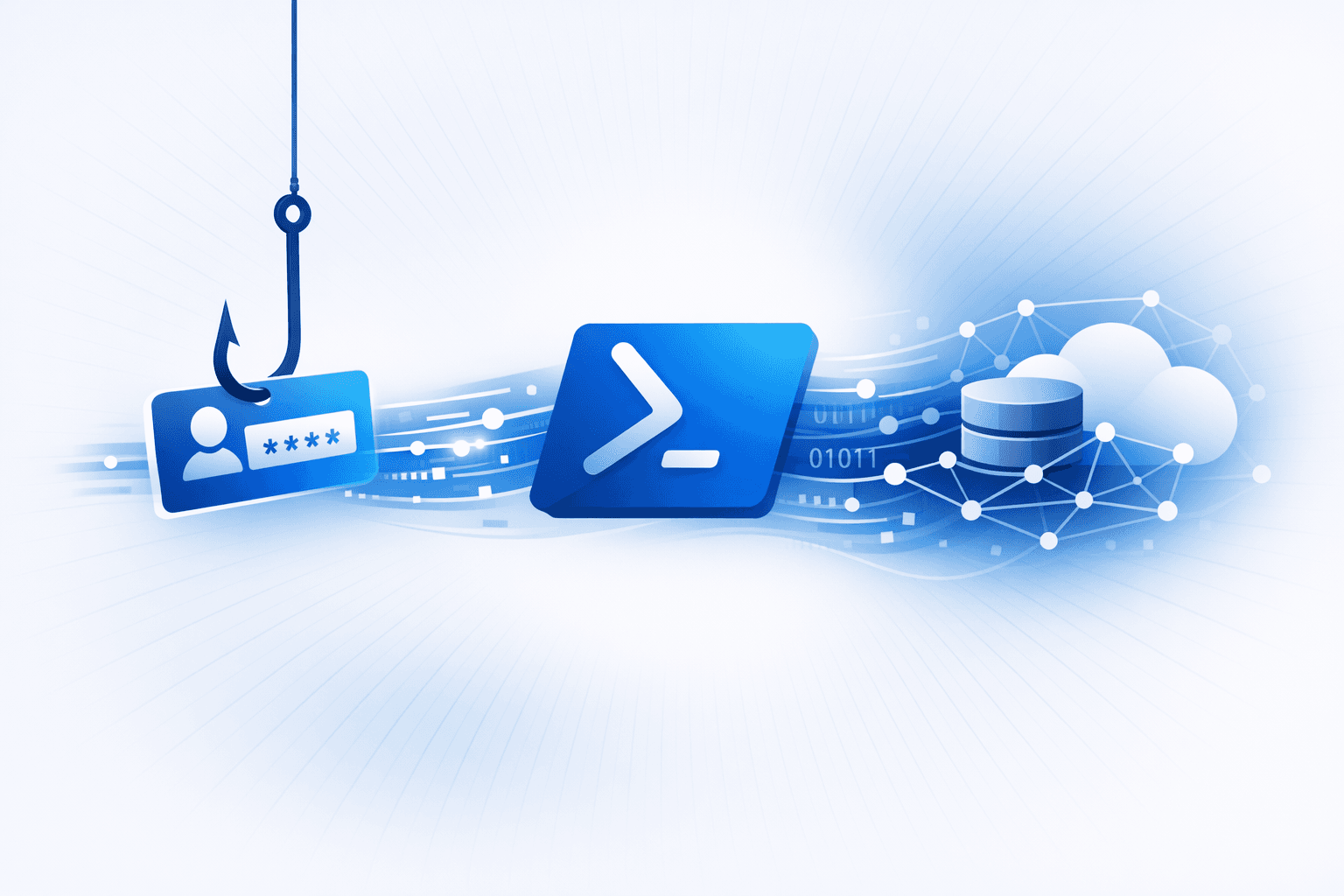
Researchers reported active phishing operations using business-document lures and fake "secure mail" messages to infect Windows users with VIP Keylogger and related infostealers. Splunk said attackers sent payment notices, procurement orders, and logistics updates carrying heavily obfuscated .vbs, .js, or .bat loaders that launched PowerShell stagers, hid data in environment variables, and used steganography in PNG files to rebuild the final payload. K7 Labs also tracked a malware-as-a-service VIP_Keylogger campaign, while Splunk said the malware injects into aspnet_compiler.exe and steals keystrokes, screenshots, browser and Outlook credentials, clipboard contents, and cryptocurrency wallet addresses before exfiltrating data to attacker infrastructure, including Telegram.
AhnLab separately detailed a South Korea-focused campaign impersonating a major credit card company with malicious LNK files that executed PowerShell and mshta, fetched an HTA with obfuscated VBScript, and displayed decoy documents to reduce suspicion. The malware changed behavior depending on whether Windows Defender was enabled: one path delivered AES-encrypted archives with backdoor, keylogging, clipboard theft, and information-stealing components, while the other used rundll32 to load a downloader that avoided VBox and VMware and then pulled additional payloads from Google Drive to steal browser, email, cookie, clipboard, and cryptocurrency wallet data. Defenders were urged to scrutinize email attachments and file types, monitor suspicious registry and PowerShell activity, and watch for script-launched processes and Telegram-related DNS traffic.
Why it matters
Impact assessment
Active phishing campaigns are delivering multi-stage infostealers and keyloggers to Windows users, with broad exposure for enterprises that rely on email-driven business workflows. The most affected populations are finance, procurement, logistics, and general office users likely to open payment notices, procurement orders, shipping updates, or fake secure-mail messages.
The impact is high because the malware steals credentials, cookies, screenshots, keystrokes, clipboard contents, Outlook data, and cryptocurrency wallet information, and in some cases provides backdoor access and remote command execution. This creates immediate risk of account takeover, business email compromise, fraud, follow-on intrusion, and reputational damage.
The scope includes both widespread opportunistic phishing and a more targeted South Korea-focused lure set impersonating a major credit card company. Researchers reported active campaigns in the wild, including analysis of more than 200 loader samples from March-April 2026, indicating sustained operational use rather than isolated testing.
Supporting facts
- Targeted platforms: Windows endpoints.
- Delivery themes: bank payment notifications, procurement orders, logistics updates, fake secure-mail notices, and Korean credit-card security emails.
- Data at risk: browser passwords, cookies, Outlook credentials, email client credentials, screenshots, keystrokes, clipboard data, cryptocurrency wallet addresses.
- Secondary impact: backdoor capability, file upload/download, host reconnaissance, browser information collection, and remote command execution.
- Geographic scope: worldwide Windows users for VIP Keylogger; South Korea-focused social engineering in the AhnLab-tracked campaign.
- Known exploitation: yes, active phishing operations were reported by Splunk, AhnLab, and K7 Labs.