SkillCloak Evades AI Agent Skill Scanners With Self-Extracting Malware Packing
Emerging Technology Risk · 4 sources · Updated 5mo ago · First seen Jul 6, 2026

Researchers at the Hong Kong University of Science and Technology reported that third-party skills for LLM coding agents can be turned into malware that slips past current marketplace screening. In a paper titled "Cloak and Detonate: Scanner Evasion and Dynamic Detection of Agent Skill Malware," they showed that their SkillCloak framework preserves malicious behavior while changing how payloads appear to static scanners, using structural obfuscation and self-extracting skill packing. Testing on 1,613 malicious skills from ClawHub found that self-extracting packing bypassed all eight evaluated scanners more than 90% of the time, while structural obfuscation also defeated most tools at high rates.
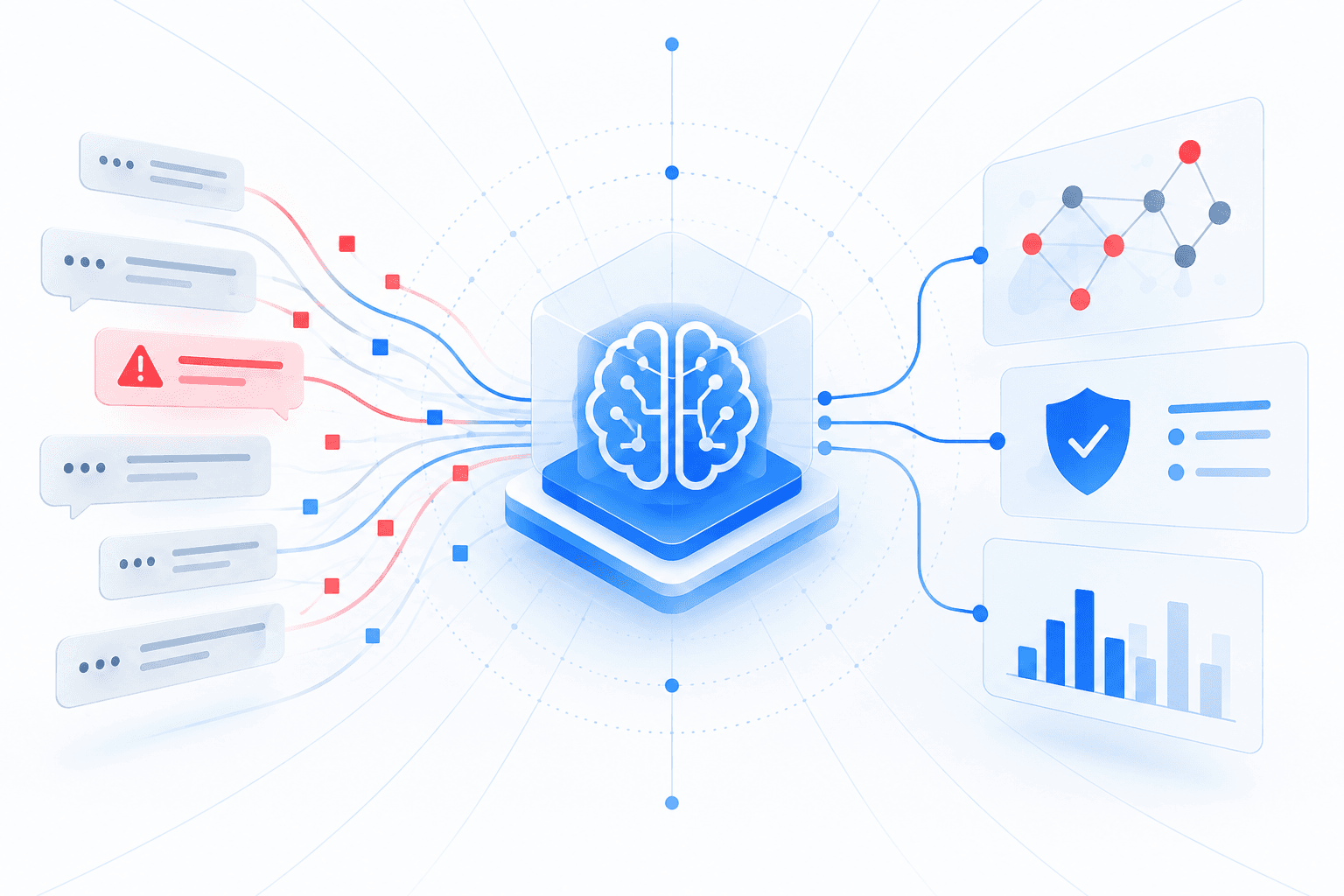
The researchers said the findings expose a broader trust gap in AI-agent ecosystems because harmful behavior often appears only during execution, not during static review. To counter that weakness, they introduced SkillDetonate, a sandboxed runtime auditing system that monitors operating-system-level behavior and tracks sensitive data flows across files, processes, network activity, and agent context. In controlled tests, SkillDetonate detected 97% of attacks at a 2% false-positive rate and maintained 87% detection on real-world malicious skills, reinforcing calls for runtime behavioral checks alongside marketplace scanning for agent skills and related tooling.
Why it matters
Impact assessment
Malicious AI coding-agent skills represent a supply-chain style exposure for organizations using agent marketplaces, especially development, engineering, and security teams running tools such as Claude Code, OpenAI Codex, and similar agent frameworks. Impact can include credential theft, source-code exfiltration, wallet and keychain compromise, and backdoor installation because installed skills inherit the agent’s access to files, terminals, package managers, and external services.
The exposure is broad rather than narrowly targeted because public marketplaces reportedly accumulated tens of thousands of mostly community-submitted skills with limited vetting, and researchers validated evasion across 1,613 real malicious samples. There is evidence of exploitation in the wild: the ClawHavoc campaign reportedly planted more than 300 malicious skills, with later counts reaching 341 and then 824 in the same ecosystem, and other live evasive skills were still observed on ClawHub.
Affected populations
- Organizations using AI coding agents with third-party skill/plugin marketplaces
- Developer workstations and CI-adjacent environments where agents can access source code, terminals, credentials, and package managers
- Users of Claude Code, OpenAI Codex, OpenClaw, and similar agent ecosystems
- Teams allowing agents access to browser secrets, SSH keys, macOS keychain items, cloud-connected accounts, or cryptocurrency wallets
Severity and business impact
- Credential theft: browser credentials, keychain passwords, SSH keys, wallet files
- Data loss: source-code exfiltration and leakage of sensitive business data
- Operational disruption: malicious setup steps, backdoor installation, and abuse of package managers or terminals
- Financial and reputational risk: theft of secrets, account compromise, and manipulation of agent outputs for fraud or affiliate abuse
Scope and incident evidence
- One marketplace reportedly exceeded 40,000 listed skills within months of launch
- Most listed skills were community-submitted and not vetted
- ClawHavoc planted hundreds of malicious skills on a public marketplace
- Unit 42 reportedly found five evasive malicious skills still live despite built-in scanning
- Mozilla 0DIN and Microsoft examples indicate adjacent agent-tooling trust gaps are already being exploited beyond a single marketplace