Mallory
← Back to News
state-sponsored-espionagethird-party-vendor-breachcredential-access-methodlateral-movement-method

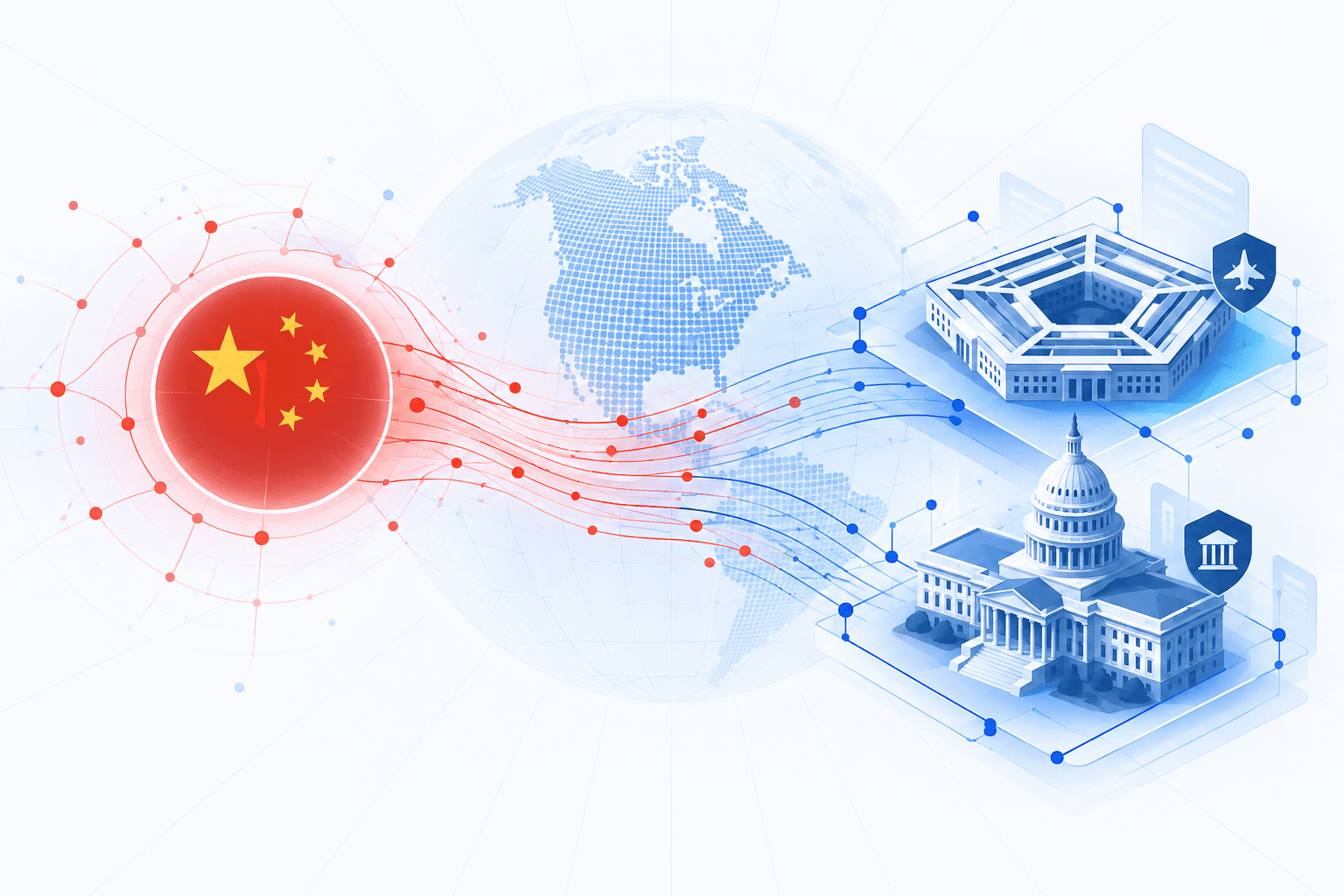
Chinese State-Backed Espionage Campaign Breached Global Service Providers and Customer Networks

Threat Actor Intelligence · 4 sources · Updated 5mo ago · First seen May 25, 2026

Chinese State-Backed Espionage Campaign Breached Global Service Providers and Customer Networks

Australia’s ACSC and CISA warned that Chinese state-sponsored actors compromised networks worldwide as part of a broad espionage operation that targeted IT service providers and then leveraged that access to reach downstream customer environments. U.S. government reporting tied the activity to Chinese cyber actors associated with the Ministry of State Security, describing a long-running campaign that stole intellectual property and sensitive data from organizations across at least 12 countries and sectors including information technology, energy, healthcare, communications, and critical manufacturing.

The intrusions relied on stolen administrative credentials, abuse of digital certificates, and post-compromise tooling including PowerShell, PowerSploit, REDLEAVES, and PLUGX to maintain persistence and move laterally. Authorities said the malware used techniques such as DLL side-loading, in-memory execution, and RC4-encrypted command-and-control over port 443, including spoofed domains masquerading as Windows update infrastructure, and urged defenders to strengthen privileged account protections, network segmentation, logging, and monitoring for suspicious administrative share activity and protocol mismatches.

Why it matters

Impact assessment

This campaign affects managed service providers, IT service providers, and any customer environments reachable through trusted administrative relationships. Impact is high because the operation is designed for long-term espionage, credential theft, lateral movement, and theft of intellectual property and sensitive business data across multiple critical sectors.

The scope is broad rather than isolated: authorities tied the activity to compromises in at least 12 countries and sectors including information technology, energy, healthcare, communications, and critical manufacturing. Exploitation in the wild is confirmed by ACSC and CISA reporting, with service-provider compromise creating multiplier risk for downstream customers that may not have been the initial intrusion target.

Supporting facts

  • Attributed by the U.S. Government to Chinese cyber actors associated with the Ministry of State Security.
  • Initial and downstream victims included organizations in at least 12 countries.
  • Targeted sectors included information technology, energy, healthcare and public health, communications, and critical manufacturing.
  • Primary objective was theft of intellectual property and sensitive data.
  • Compromise of IT service providers enabled access into customer networks through existing trust relationships and administrative pathways.
  • Campaign activity was long-running, with reporting stating it had occurred since at least May 2016 and for at least four years at the time of the alert update.

Know this adversaryTTPs, infrastructure, and targeting history in one profile.
Get the profile
Event timeline

How this story unfolded

Events from the most recent confirmed update back to the earliest known activity.

4 events · Apr 27, 2017 – Aug 27, 2025
  1. Aug 27, 20251y ago

    ACSC and partners issue advisory on Chinese state-sponsored network compromises

    The Australian Cyber Security Centre published a joint advisory warning about Chinese state-sponsored actors compromising networks worldwide to support a global espionage system. The advisory reflects coordinated government disclosure and response to the campaign.

  2. Apr 27, 201710y ago

    U.S. government attributes long-running espionage campaign to Chinese MSS-linked actors

    The alert was later updated to reflect U.S. government attribution of the long-running cyber-espionage campaign to Chinese cyber actors associated with the Chinese Ministry of State Security. This attribution tied the previously documented intrusions to Chinese state-sponsored operators.

  3. Apr 27, 201710y ago

    US-CERT publishes alert on multi-sector intrusions

    US-CERT published alert TA17-117A describing intrusions affecting multiple victims across multiple sectors. The alert documented tactics including stolen administrative credentials, PowerShell and PowerSploit use, DLL side-loading, and malware such as REDLEAVES and PLUGX, along with indicators of compromise and mitigation guidance.

  4. Date unknown

    Chinese cyber actors begin broad intrusions via IT service providers

    Since at least May 2016, Chinese state-linked cyber actors began compromising global and U.S. IT service providers and then accessing their customers' networks to steal intellectual property and sensitive data. The campaign affected organizations across at least 12 countries and multiple sectors, including IT, energy, healthcare, communications, and critical manufacturing.

Linked entities

Related entities

Vulnerabilities, threat actors, malware, products, organizations, and breaches Mallory has linked to this story.

Open in app →

Threat actors

1 linked
Do you run this?See this adversary's TTPs, infrastructure, and targeting history, correlated against your exposure.
Get the Full Actor Profile
Mallory platform

See the full picture, correlated to your attack surface.

This page covers what’s public. Mallory adds the parts that aren’t: which of your assets are affected, which threat actors are using it right now, and what to deploy next.

Exposure mappingMap indicators from this story to your assets and identify affected systems in minutes.
Threat actor evidenceEvery observed campaign, victim, and pivot linked to actors named in this story.
Associated malwareMalware, exploits, and IOCs connected to the activity described here.
Detection signaturesYARA, Sigma, and Snort rules deployed to your SIEM as soon as they’re published.
Scheduled alertsGet matching new stories delivered to your team as they break, not the next morning.
AI threadsAsk questions about this story and take action on the answers.