Hacktivist Campaigns Surge Amid US-Iran-Israel Tensions
Threat Actor Intelligence · 10 sources · Updated 5mo ago · First seen May 25, 2026
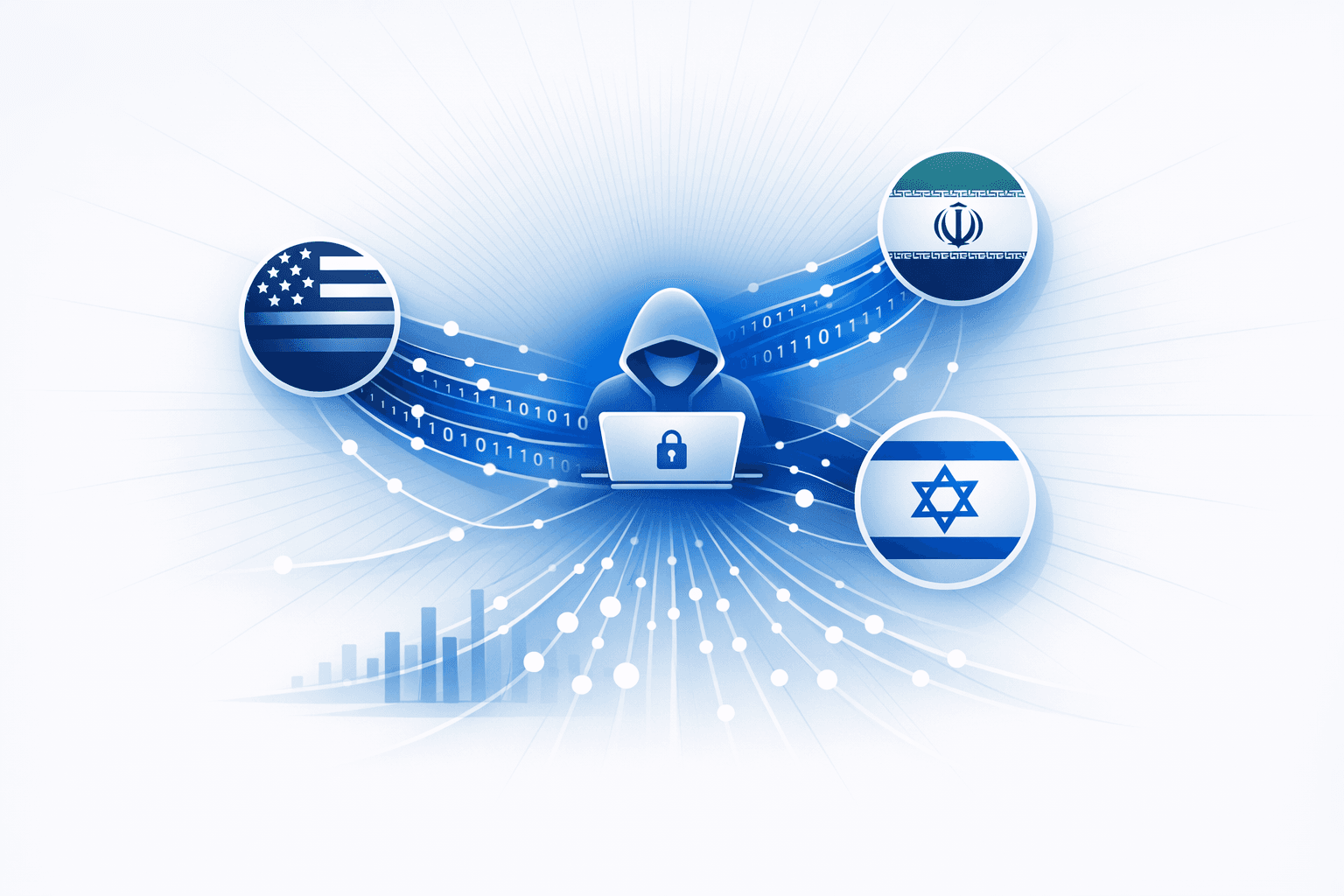
Hacktivist activity has increased as tensions involving the United States, Iran, and Israel intensify, according to Sophos threat research. The reported campaigns indicate a rise in politically motivated cyber operations tied to the regional conflict, with threat actors using disruptive and influence-focused tactics to target organizations and amplify geopolitical messaging.
The activity reflects a broader pattern in which international crises quickly spill into cyberspace, raising the risk of website defacements, distributed denial-of-service attacks, and other opportunistic intrusions against public- and private-sector targets. Sophos said the escalation underscores the need for organizations with exposure to the region or to politically sensitive sectors to monitor for hacktivist threats and strengthen defensive readiness.
Why it matters
Impact assessment
Hacktivist activity tied to U.S.-Iran-Israel tensions has increased, with the highest near-term risk to organizations in the United States, Israel, Gulf Cooperation Council states, and politically exposed sectors such as government, defense, transportation, finance, media, and critical infrastructure. The current wave is assessed as mostly low-sophistication and influence-driven, but it can still cause operational disruption through DDoS, website defacement, doxxing, reputational damage, and opportunistic intrusions.
Known activity appears broad and opportunistic rather than narrowly targeted, with Telegram-based ecosystems amplifying attack claims across multiple countries and sectors. No confirmed high-sophistication retaliatory campaign by Iranian state-sponsored actors was reported in the cited material, but multiple sources assess that escalation remains plausible and that proxy or front identities may be used to magnify perceived reach.
Supporting details
- Affected populations and sectors:
- U.S. organizations due to direct U.S. involvement in strikes on Iran.
- Israeli organizations and individuals, especially government-linked, military-linked, and public-facing entities.
- Gulf Cooperation Council states due to regional reprisal risk.
- European organizations and public venues referenced in attack claims, including incidents in the Netherlands, the UK, and Amsterdam.
- Likely target sectors cited in the references: financial services, water utilities, transportation, media, defense-related firms, and technology companies.
- Severity:
- Most observed activity: website defacement, DDoS, doxxing, propaganda, leaks, and unverified compromise claims.
- Potential business impacts: service outages, public-facing disruption, reputational harm, customer concern, incident response costs, and possible follow-on credential attacks or ransomware/wiper activity.
- Influence effects are significant because actors use Telegram, X, and supporter channels to amplify claims and intimidate targets.
- Scope:
- Widespread exposure for internet-facing organizations in politically sensitive geographies and sectors.
- Some campaigns appear opportunistic and narrative-driven rather than technically advanced.
- DarkOwl assesses Harakat Ashab al-Yamin al-Islamia may be a front identity or media construct within a broader Iranian-aligned Telegram ecosystem rather than a mature standalone organization.
- Exploitation in the wild:
- Reported incidents include claimed arson and attack messaging tied to Ashab al-Yamin in London, Nijkerk, and Amsterdam.
- Sophos CTU observed active hacktivist operations and claims after February 28, 2026, but noted many were low-sophistication or unverified.
- CSIS cited reported compromise of the BadeSaba app and defacement of Iranian news sites during the broader conflict, though attribution and some details were not officially confirmed.