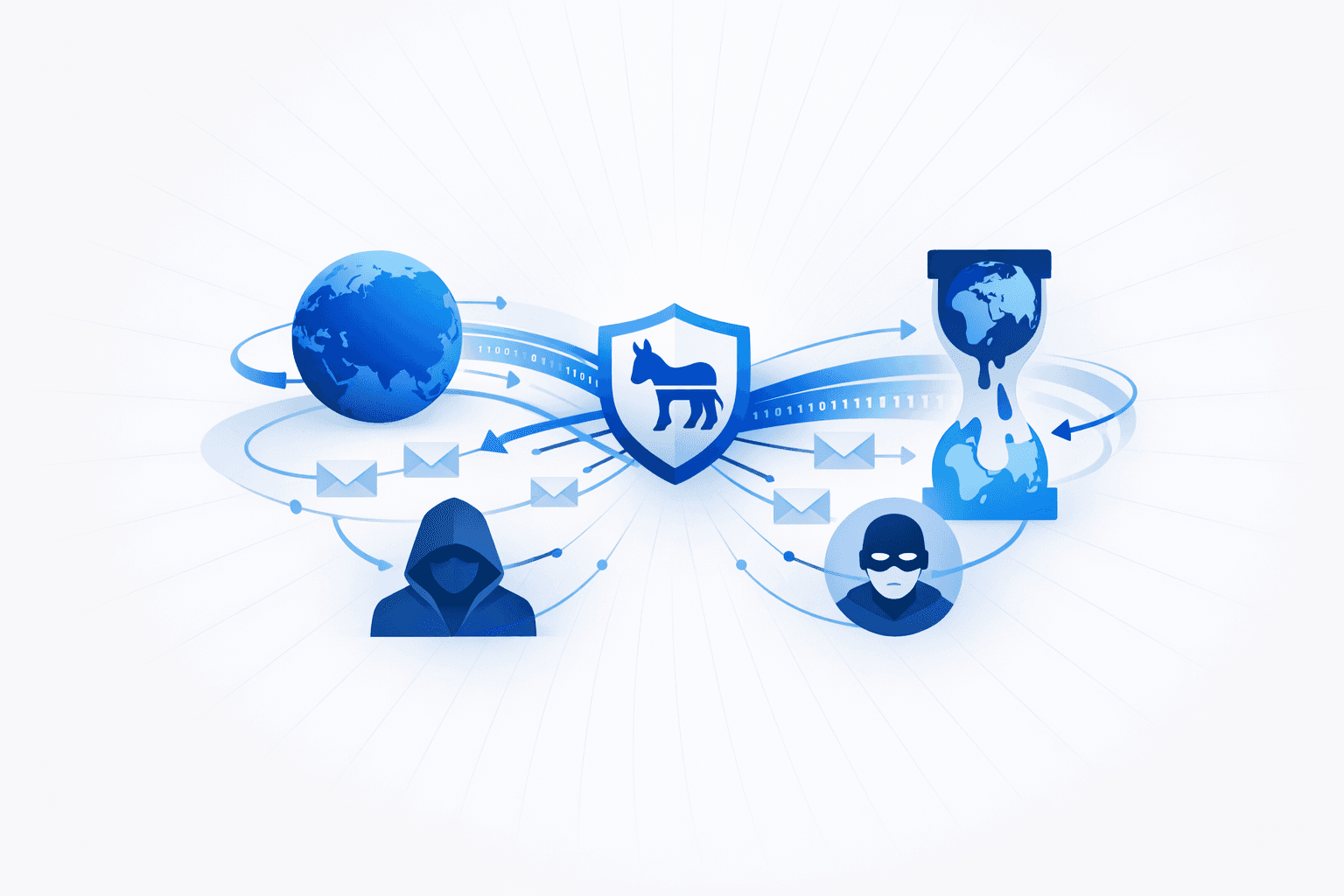
Mueller Indictment Exposed Internet Research Agency Election Interference Scheme
Regulatory & Policy · 17 sources · Updated 5mo ago · First seen May 25, 2026

A U.S. grand jury charged 13 Russian nationals and three Russian entities, including the St. Petersburg-based Internet Research Agency (IRA), with conducting a long-running campaign to interfere in the U.S. political system. Prosecutors said the operation used stolen identities, fake social media personas, political ads, and the organization of real-world rallies to inflame divisions over race, religion, and immigration while denigrating Hillary Clinton and boosting Donald Trump. The indictment said the effort began in 2014, included intelligence-gathering trips inside the United States, and continued after Election Day, while not alleging that Trump campaign officials knowingly joined the conspiracy.
Subsequent reporting and official findings reinforced the scope of the operation. Earlier investigations had described the IRA as a professionalized troll farm that used proxies, scripted talking points, and fabricated online identities across major platforms, while Senate investigators later unanimously backed the intelligence community's conclusion that Russia mounted a sweeping campaign to undermine confidence in American democracy and aid Trump. Experts warned the same bot-driven influence tactics persisted beyond 2016, and Kremlin-linked businessman Yevgeny Prigozhin, long tied to the IRA and sanctioned by Washington, later publicly admitted that Russia had interfered in U.S. elections and would continue doing so.
Why it matters
Impact assessment
This story describes a sustained foreign influence operation rather than a software vulnerability. The primary affected population is democratic institutions, election administrators, political campaigns, media ecosystems, social media platforms, and users exposed to manipulated political content, with the strongest relevance to U.S. public-sector and civic organizations.
The impact is high in reputational, societal, and institutional terms: the operation aimed to undermine confidence in democracy, inflame divisions over race, religion, and immigration, and manipulate political discourse at scale. The scope was broad and persistent, with activity beginning in 2014, targeting millions of Americans through fake personas, ads, and rallies, and later reporting indicating tactics persisted beyond the 2016 election.
Known incidents in the wild are established by U.S. criminal charges, Senate findings, and public admissions tied to Yevgeny Prigozhin. This was not a hypothetical threat; it was an active, long-running influence campaign attributed to the Internet Research Agency and associated Russian actors.
Supporting facts
- U.S. grand jury indictment named 13 Russian nationals and 3 Russian entities.
- Central entity: Internet Research Agency (IRA), St. Petersburg, Russia.
- Associated individual: Yevgeny Prigozhin, publicly tied to and accused of funding the IRA; later admitted interference and said it would continue.
- Objectives cited by U.S. officials and Senate findings: undermine confidence in American democracy, denigrate Hillary Clinton, and boost Donald Trump.
- Tactics included fake social media personas, stolen identities, political advertisements, and organization of real-world rallies.
- Operation reportedly began in 2014 and continued after Election Day.
- Senate Intelligence Committee unanimously endorsed the intelligence community assessment that Russia conducted a sweeping and unprecedented interference campaign.
- Reporting indicated similar bot-driven and persona-driven tactics persisted into later U.S. and European political events.