Russian Hackers Breached the DNC and Used Guccifer 2.0 and WikiLeaks to Spread Stolen Emails
Threat Actor Intelligence · 38 sources · Updated 5mo ago · First seen May 25, 2026
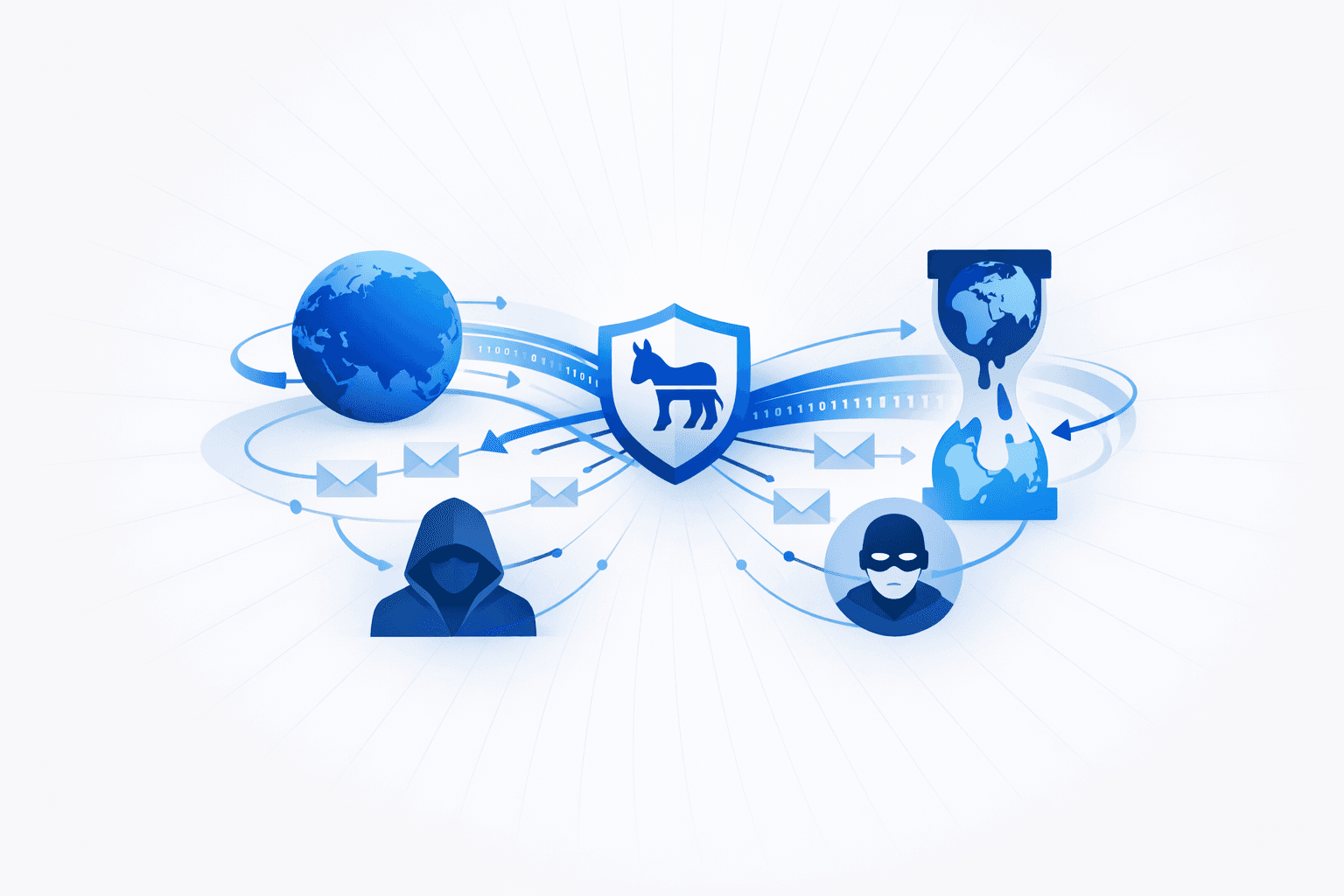
Russian government-linked hackers penetrated the Democratic National Committee, stole opposition research on Donald Trump and thousands of internal emails, and triggered a wider investigation after leaked material exposed not only politically damaging correspondence but also sensitive donor and personal data. Security firms including CrowdStrike, Mandiant, Fidelis, SecureWorks, and ThreatConnect tied the intrusion to Russian groups tracked as APT28/Fancy Bear and APT29, with later reporting pointing specifically to Russia’s military intelligence service, the GRU, based on malware and infrastructure overlaps. Researchers and investigators said the operation combined network intrusion, theft, and staged disclosure in a manner consistent with a coordinated influence campaign targeting the 2016 U.S. election.
After the breach became public, the online persona Guccifer 2.0 surfaced to claim responsibility and deny Russian involvement, but reporting and forensic analysis described the persona as a likely cutout used to distribute stolen documents and muddy attribution. WikiLeaks then published large batches of DNC emails while later reports said it had direct outreach to Donald Trump Jr. during the campaign and declined to publish a separate cache of Russian government documents in the same period, intensifying scrutiny of its role in the broader information operation. Subsequent congressional and special-counsel-era reporting found sharp partisan disagreement over whether Trump associates coordinated with Russia, but broad agreement that Moscow conducted an interference campaign that used hacked Democratic materials to damage Hillary Clinton and influence the election.
Why it matters
Impact assessment
The affected population included U.S. political organizations, campaign staff, donors, volunteers, and indirectly election infrastructure operators. Impact was severe: theft of internal strategy material, opposition research, donor and personal data, and subsequent public release caused reputational damage, leadership disruption, privacy exposure, and broader democratic trust erosion.
The scope was both targeted and strategically broad. The DNC, DCCC, Clinton campaign staff, personal Gmail accounts, and at least one state election board were targeted, and multiple references describe the activity as part of a wider Russian influence campaign during the 2016 U.S. election. Exploitation in the wild is well documented across the references, including confirmed intrusions, data theft, staged leaks via Guccifer 2.0/DCLeaks/WikiLeaks, and voter-data theft from Illinois.
Supporting facts
- Primary victim entities named: Democratic National Committee (DNC), Democratic Congressional Campaign Committee (DCCC), Hillary Clinton campaign, John Podesta, Colin Powell.
- Secondary affected populations: DNC donors and volunteers; leaked data reportedly included names, phone numbers, addresses, email addresses, financial information, Social Security numbers, and location data.
- Election infrastructure impact: GRU allegedly targeted an Illinois state election board and stole data on about 500,000 voters.
- Operational disruption: DNC initiated multiple investigations; Debbie Wasserman Schultz resigned after publication fallout.
- Reputational and political impact: leaked emails exposed internal favoritism and strategy discussions; publication was timed before the Democratic National Convention.
- Scope indicators from references:
- APT29 access reportedly dated to summer 2015.
- APT28 reportedly entered in April 2016.
- Attackers allegedly gained access to 33 DNC computers.
- 19,250 to more than 20,000 DNC emails and thousands of attachments were published.
- Industries/sectors implicated beyond politics in related targeting: government, media, aerospace, energy, NGOs, military-related targets.
- Known in-the-wild exploitation: yes, repeatedly documented by CrowdStrike, Fidelis, Mandiant, SecureWorks, Mueller indictment reporting, and U.S. government statements.