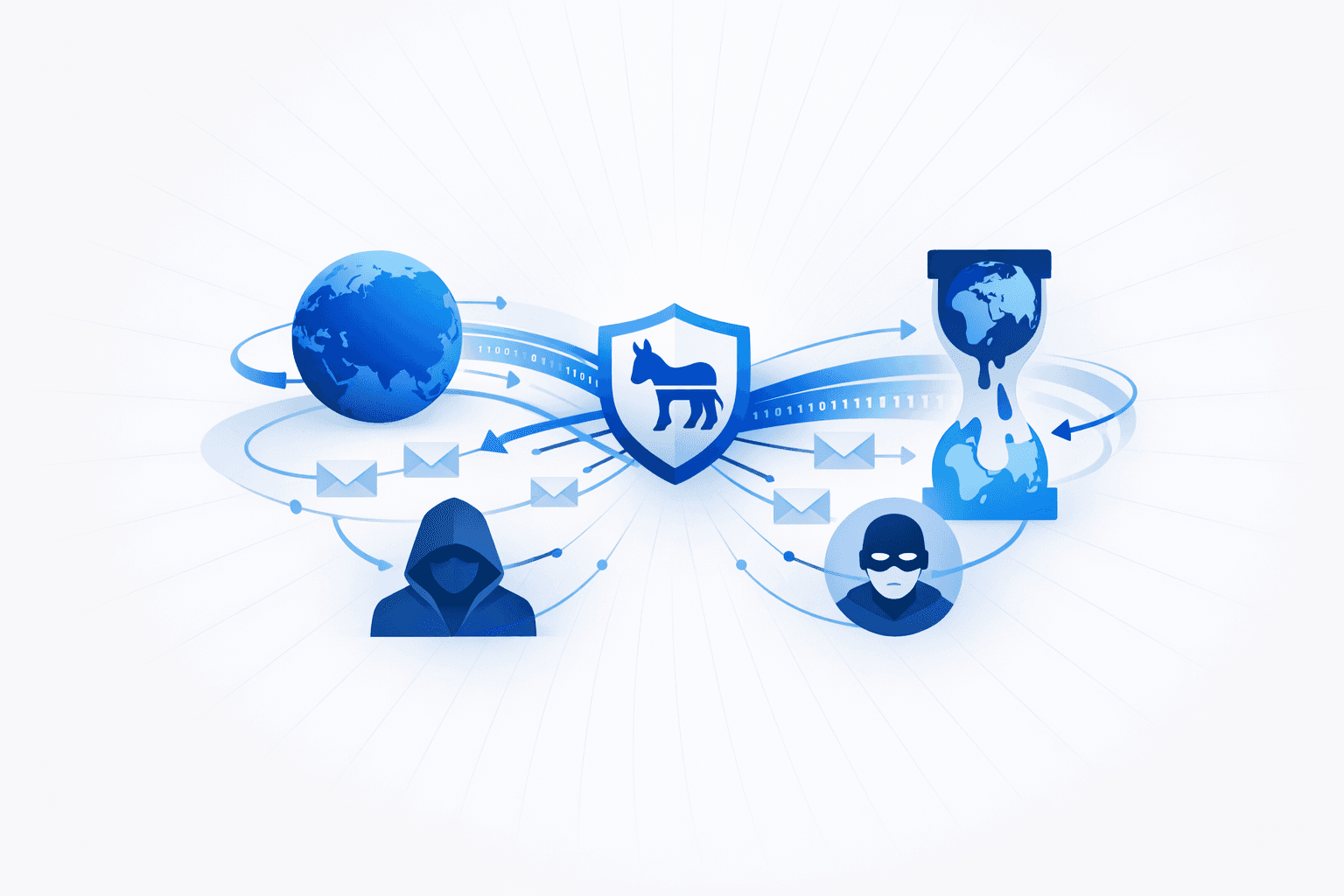
Russian Intelligence Hacked Democratic Targets and Used WikiLeaks to Release Stolen Emails
Threat Actor Intelligence · 48 sources · Updated 5mo ago · First seen May 25, 2026

U.S. officials, cybersecurity investigators, and later federal prosecutors concluded that Russian intelligence penetrated Democratic Party networks and stole politically sensitive material during the 2016 presidential campaign. Early reporting on the Democratic National Committee breach tied the intrusion to the Russian-linked groups Cozy Bear and Fancy Bear, while the online persona Guccifer 2.0 surfaced to claim responsibility and distribute stolen files, including opposition research on Donald Trump. As hacked emails from the DNC and Clinton campaign chairman John Podesta were published, U.S. officials said they saw increasing evidence that Russia was using WikiLeaks as a channel to disseminate the material, even as Moscow, WikiLeaks, and figures including Julian Assange publicly denied Russian involvement or coordination.
The U.S. response escalated from an FBI investigation and intelligence reviews ordered by the Obama administration to formal attribution and criminal charges. Special Counsel Robert Mueller later secured indictments against 12 GRU officers for the DNC hack-and-leak operation, and court filings and subsequent reporting detailed contacts between Guccifer 2.0 and Trump adviser Roger Stone, though Mueller said he lacked sufficient admissible evidence to charge Stone, Assange, or WikiLeaks in a broader conspiracy. A bipartisan Senate Intelligence Committee report later backed the intelligence community’s assessment that the interference campaign was approved by Vladimir Putin, combined cyber-espionage with influence operations, and was intended to damage Hillary Clinton and help Donald Trump.
Why it matters
Impact assessment
U.S. political organizations, campaign staff, election-related entities, and downstream democratic institutions were directly affected by a state-directed cyber-espionage and influence campaign. The impact was severe: theft and timed publication of politically sensitive emails caused reputational damage, leadership disruption, and broad erosion of trust in electoral processes. Exploitation in the wild is established through U.S. government attribution, indictments of 12 GRU officers, and multiple documented releases via DCLeaks, Guccifer 2.0, and WikiLeaks.
Supporting details
- Affected entities included the Democratic National Committee, Democratic Congressional Campaign Committee, Hillary Clinton campaign staff, including John Podesta, and state election-related organizations and vendors.
- The campaign combined network intrusion with information operations intended to denigrate Hillary Clinton and support Donald Trump, according to U.S. intelligence and the bipartisan Senate Intelligence Committee.
- Operational effects included compromise of 33 DNC computers by June 2016, theft of thousands of emails, covert monitoring of employee activity, and public release of stolen material for maximum political impact.
- Reputational and organizational damage included the resignation of DNC Chair Debbie Wasserman-Schultz and sustained public exposure of internal campaign communications.
- Scope was broad rather than narrowly targeted: federal prosecutors alleged intrusions against national political organizations, campaign personnel, state boards of elections, secretaries of state, and election technology suppliers.
- Known exploitation in the wild is confirmed by DOJ indictments, FBI wanted notices, intelligence community attribution, and public release timelines tied to WikiLeaks, DCLeaks, and Guccifer 2.0.
- The story is historically significant but not an emerging software exposure; the principal risk lesson is the effectiveness of hack-and-leak operations against political and civic institutions.
Structured facts extracted from references
- Entities: GRU, GRU Unit 26165, GRU Unit 74455, Cozy Bear, Fancy Bear, Guccifer 2.0, DCLeaks, WikiLeaks, Internet Research Agency, DNC, DCCC, VR Systems, John Podesta, Roger Stone, Peter Smith, Mike Flynn, Vladimir Putin.
- Known incidents: DNC and DCCC compromise, Podesta email theft, voter data theft affecting approximately 500,000 voters, publication of DNC emails on 2016-07-22, publication of Podesta emails on 2016-10-07.
- Government actions: 12 GRU officers indicted; Senate Intelligence Committee affirmed Russian interference findings; FBI investigation opened in 2016; Mueller report found insufficient admissible evidence to charge Stone, Assange, or WikiLeaks in a broader conspiracy.
- User populations affected: political staff, campaign volunteers, election administrators, voters whose registration data was exposed, and the broader U.S. electorate through influence operations.