Russian-Linked Cyberattacks Hit Ukraine and Spill Into Wider European Targets
Threat Actor Intelligence · 20 sources · Updated 5mo ago · First seen May 25, 2026
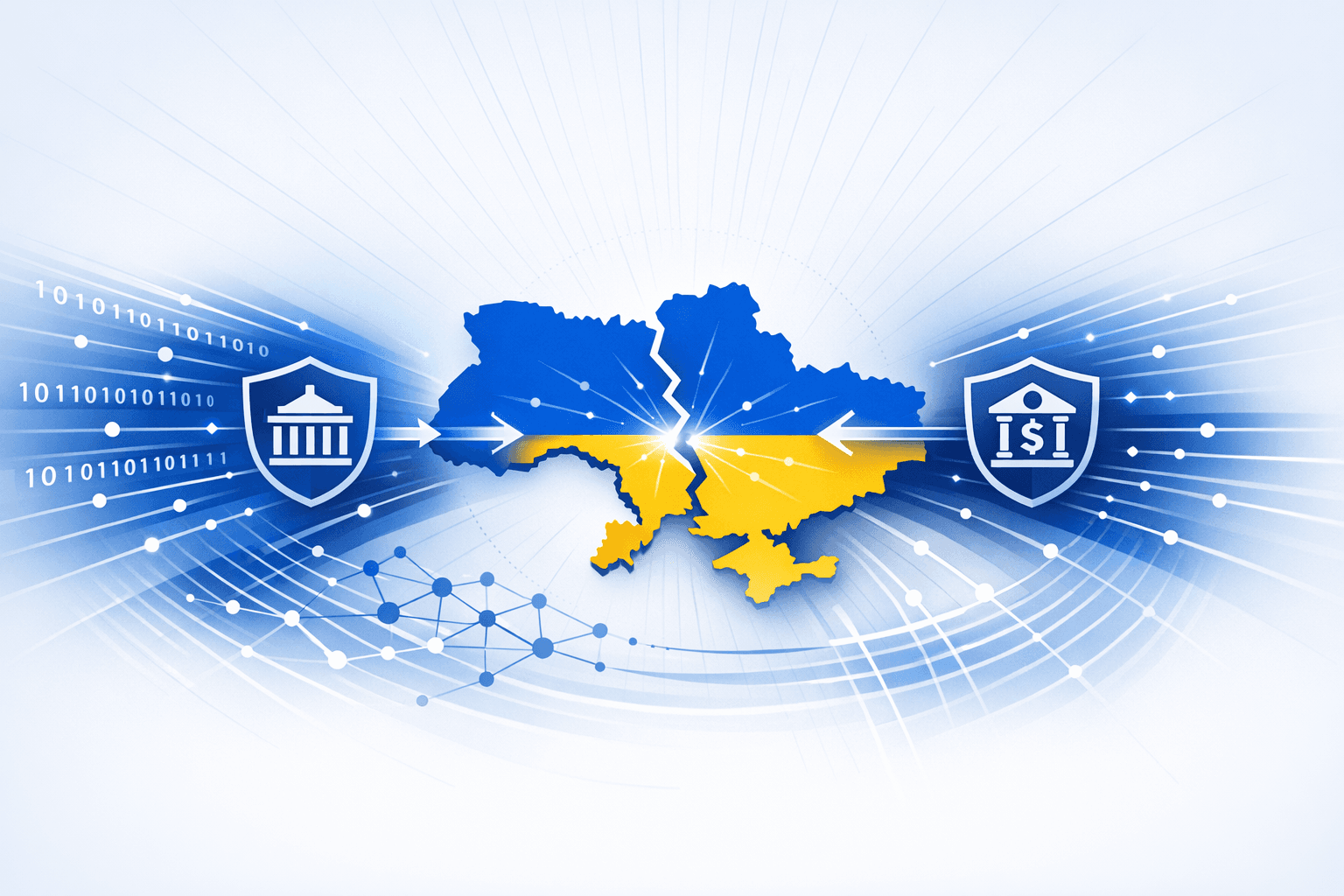
Ukrainian government, military, banking, and energy targets were repeatedly disrupted by cyber operations tied to Russia and the war around Ukraine. Reports describe attacks on a Ukrainian power station, outages affecting the websites of Ukraine’s defense ministry and major banks, and broader disruptive activity against the country’s financial sector. The UK government later said technical analysis by the National Cyber Security Centre assessed that Russia’s GRU was almost certainly involved in the February 2022 distributed denial-of-service attacks on Ukrainian banking targets, framing the incidents as part of continued Russian aggression.
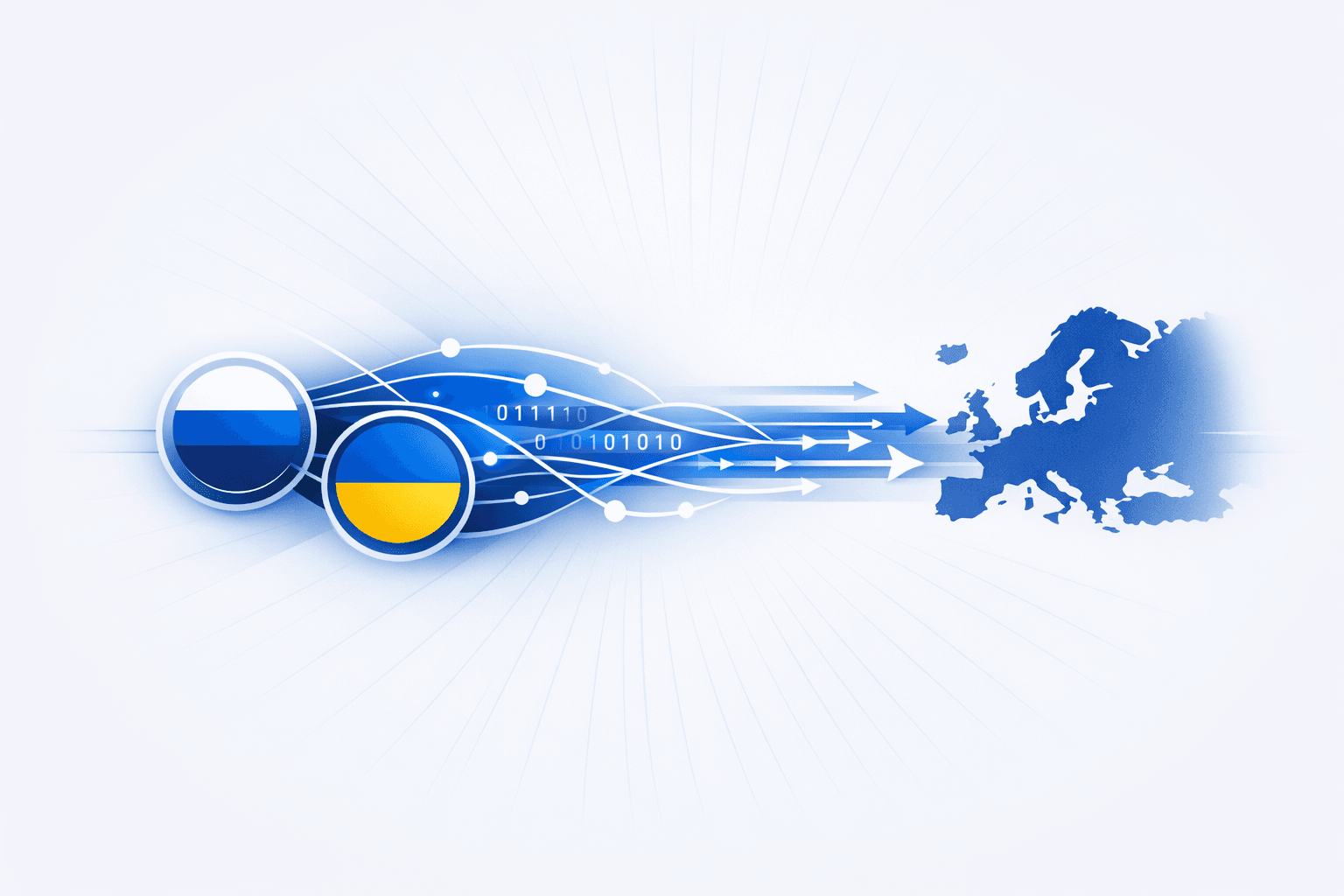
The campaign also expanded beyond Ukraine through both state-linked and pro-Russian actors. Killnet, a Russia-aligned hacktivist group, claimed retaliatory DDoS attacks on Lithuanian government and business websites after restrictions affecting transit to Kaliningrad, while other reporting said Russian-backed actors continued destructive operations against Ukraine, including wiper malware and attempted power-grid attacks. At the same time, pro-Ukrainian hackers mounted hack-and-leak operations against Russian institutions, underscoring how the conflict evolved into a broader regional cyber confrontation affecting governments, critical infrastructure, and financial services.
Why it matters
Impact assessment
Russian-linked cyber operations tied to the war in Ukraine affected government, military, banking, telecom, energy, and public-sector organizations in Ukraine, with spillover into broader European targets including Lithuania and other NATO/EU states. Impact ranged from website outages and financial-sector disruption to destructive malware activity and attempted power-grid compromise, creating material operational risk for critical infrastructure and public services.
The exposure is both sustained and regionally broad rather than isolated. Multiple references describe incidents in the wild, including GRU-attributed DDoS attacks on Ukrainian banking targets in February 2022, repeated wiper deployments, telecom disruption, and pro-Russian DDoS activity by Killnet against Lithuanian government and business services.
Supporting facts
- Affected sectors in Ukraine: government, military, banking/financial services, energy, telecom, defense, commercial, and public-sector entities.
- CERT-UA reported 2,100 cyber incidents in 2022, including more than 1,500 after the full-scale invasion began.
- CERT-UA said the public sector accounted for about one quarter of investigated cases.
- CERT-UA identified the energy sector as a major focus and warned that suppliers of services, hardware, and software to energy operators were also being targeted.
- The UK government publicly attributed the 15-16 February 2022 disruptive DDoS attacks on Ukraine’s banking and financial sector to Russia’s GRU.
- Ukrainian authorities reported attempted attacks on the power grid that could have cut power to up to two million people.
- The Canadian Centre for Cyber Security assessed Russian cyber operations were likely more sophisticated and widespread than open-source reporting indicated.
- Spillover beyond Ukraine included Viasat KA-SAT disruption across multiple European countries and Killnet DDoS attacks against Lithuanian government and business websites.
- Reported Lithuanian victims included the State Tax Inspectorate and B1.lt.
- Broader regional targeting cited in references includes Czechia, Estonia, Latvia, Poland, the UK, the US, Denmark, Norway, Turkey, Finland, Sweden, Germany, Romania, and Italy.
- Severity includes service outages, destructive malware, attempted ICS disruption, supply-chain compromise risk, reputational damage, and potential downstream economic effects.