Ukraine Hit by Coordinated Cyberattacks on Government Sites and Banks
Breach & Incident Intelligence · 14 sources · Updated 5mo ago · First seen May 25, 2026
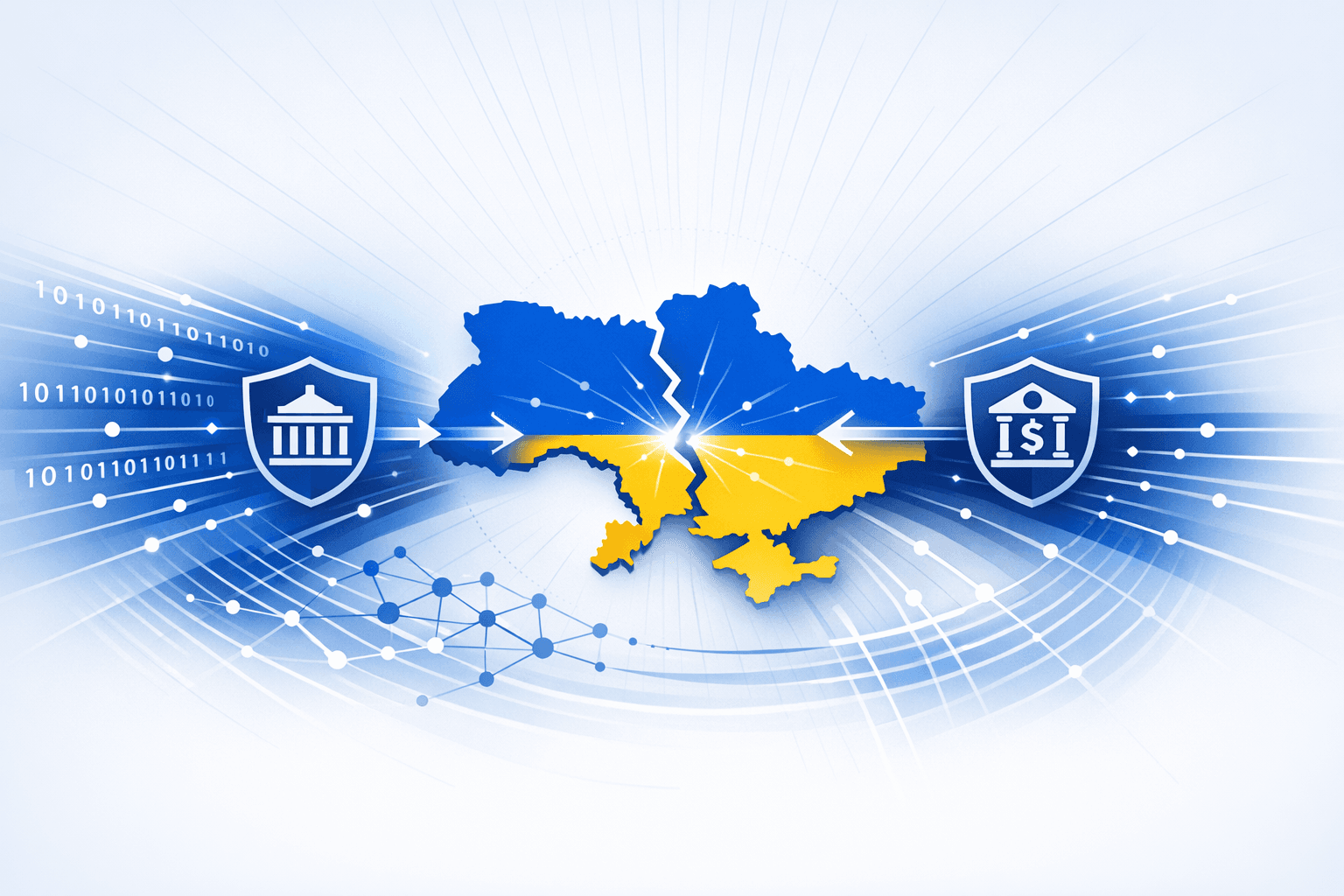
Ukraine faced a series of disruptive cyberattacks targeting government ministries, the Defense Ministry, state portals, and major banks, culminating in what officials called the largest DDoS campaign in the country’s history. On 15 February, attacks knocked or degraded access to services at PrivatBank, Oschadbank, the Ministry of Defense, government websites, and the Diia platform, with Ukrainian officials saying roughly 15 banks were affected. Authorities said the operation had been prepared in advance, originated from multiple countries, and was intended to destabilize society and trigger panic; they also said no theft of funds or personal data had been confirmed, while U.S. partners helped provide technical support and additional protections.
The February disruption followed an earlier January intrusion in which multiple Ukrainian ministry websites were hit and a defacement message in Russian, Polish, and Ukrainian falsely warned that citizens’ personal data had been leaked and destroyed. Ukrainian officials said no personal data leak was verified, while the EU and NATO publicly backed Kyiv and expanded cyber assistance, including closer cooperation and access to malware-sharing resources. The incidents fit a longer pattern of cyber operations against Ukraine, including the NotPetya attack that previously disrupted government bodies, banks, utilities, logistics firms, and airport operations and was later publicly attributed by the UK and US to Russia, an accusation Moscow has denied in more recent cases.
Why it matters
Impact assessment
The campaign affected Ukrainian government, defense, and financial-sector online services, with direct disruption to public-facing websites, online banking access, mobile applications, and payment processing. Impact was operationally significant but primarily disruptive rather than destructive in the reported incidents; Ukrainian authorities stated no confirmed theft of funds or personal data from the February 2022 attacks.
The scope was broad inside Ukraine, with officials describing the 15 February event as the largest DDoS attack in the country’s history at that time and reporting roughly 15 banks affected. Public attribution by the United States, the United Kingdom, and Ukrainian authorities linked the activity to Russia’s GRU, and officials warned the DDoS activity could be preparatory shaping activity for broader disruptive or destructive operations.
Affected entities and sectors
- Government: Ministry of Defense of Ukraine, Armed Forces of Ukraine, Ministry of Internal Affairs, multiple ministry and state portals, Diia platform, Security Service of Ukraine website.
- Financial sector: PrivatBank, Oschadbank, and approximately 15 Ukrainian banks according to the Independent Association of Banks of Ukraine.
- User populations: Ukrainian citizens relying on government portals, online banking, mobile banking, and payment services.
Severity and business effects
- Operational disruption: websites taken offline or degraded; online banking login failures; mobile app and payment processing issues.
- Psychological and reputational impact: Ukrainian authorities said the campaign aimed to destabilize society, trigger panic, and erode trust in the government.
- No confirmed direct financial theft or personal-data compromise was reported for the February DDoS wave.
Scope and incidents in the wild
- Exploitation in the wild: yes. The attacks occurred on 15-16 February 2022 and disrupted live services.
- Scope: broad, coordinated, multi-target campaign across Ukrainian public-sector and banking infrastructure.
- Context: followed January 2022 disruptive activity against Ukrainian ministry websites involving defacement and false leak claims, and fit a longer pattern of Russian cyber operations against Ukraine.