Windows RPC DCOM Flaws Enabled SYSTEM-Level Remote Code Execution
Active Exploitation · 2 sources · Updated 5mo ago · First seen May 25, 2026

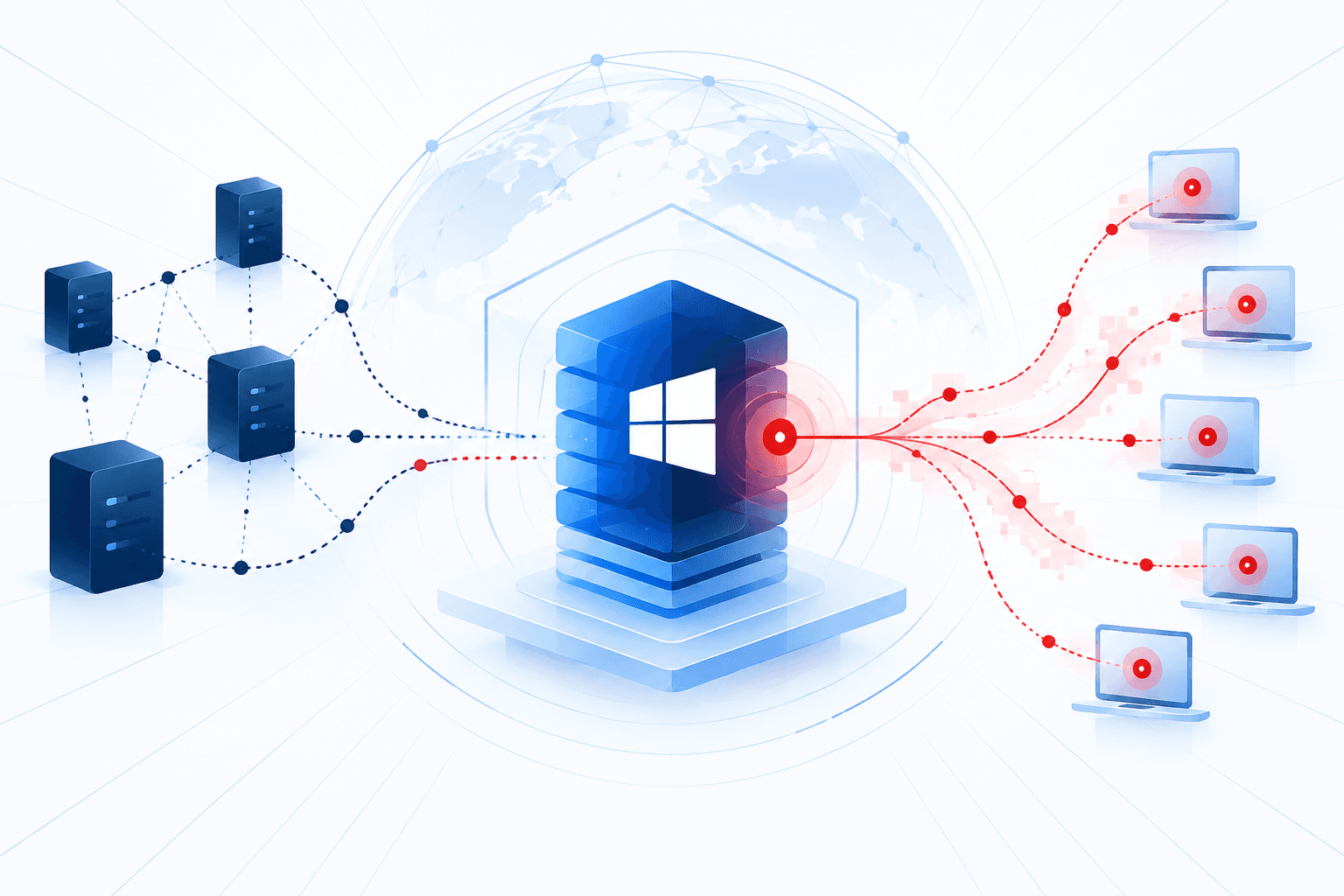
Microsoft disclosed critical vulnerabilities in the Windows RPCSS service used for DCOM activation, including buffer overruns that let remote attackers send malformed RPC messages and execute arbitrary code with Local System privileges. The flaws affected Windows NT 4.0, Windows 2000, Windows XP, and Windows Server 2003, and Microsoft said the updated fix in MS03-039 superseded earlier patches from MS03-026 and MS01-048 while also addressing a denial-of-service issue in the same component.
Security researchers and network defenders reported that the DCOM-related RPC weakness, primarily exposed over TCP/UDP 135, was already being scanned and exploited in the wild, with underground exploit code in circulation and additional concern around TCP 593 and COM Internet Services exposure. Microsoft and ISS urged organizations to deploy the patch immediately and reduce exposure by filtering affected RPC/DCOM ports, disabling COM Internet Services and RPC over HTTP where possible, using host firewalls or IPsec filters, and disabling DCOM on systems that did not require it.
Why it matters
Impact assessment
These flaws affect legacy Windows systems running the RPCSS service for DCOM activation, specifically Windows NT 4.0, Windows 2000, Windows XP, and Windows Server 2003. Impact is severe because successful remote exploitation yields Local System or SYSTEM-level code execution, enabling full host takeover, data manipulation, account creation, and potential follow-on lateral movement.
Exposure was broad rather than narrowly targeted because RPCSS was enabled by default and commonly reachable over RPC/DCOM ports, especially TCP/135 and UDP/135, with additional exposure possible on TCP/593 and, in some configurations, TCP/80 and TCP/443. Exploitation in the wild was reported at the time: ISS and third parties observed widespread scanning and attacks, and exploit code was reported to be circulating in underground communities.
Supporting facts
- Affected products: Windows NT 4.0, Windows NT 4.0 Terminal Server Edition, Windows 2000, Windows XP, Windows Server 2003.
- Not affected: Windows Millennium Edition.
- Privilege level on success: Local System / SYSTEM.
- Business impact: full machine compromise, program installation, data viewing/modification/deletion, privileged account creation.
- Scope: default-enabled service, remotely reachable over common RPC/DCOM ports.
- Known exploitation: active scanning and exploitation reported by ISS RealSecure deployments and third parties.
- Severity: Microsoft rated MS03-039 aggregate severity as Critical for supported affected versions.