Mallory
← Back to News
widely-deployed-product-advisoryendpoint-software-vulnerabilitylateral-movement-methodrapid-weaponization

Microsoft RPC RCE Raises Risk of Wormable Windows Network Compromise

Patch & Detection Intelligence · 3 sources · Updated 4mo ago · First seen Aug 12, 2026
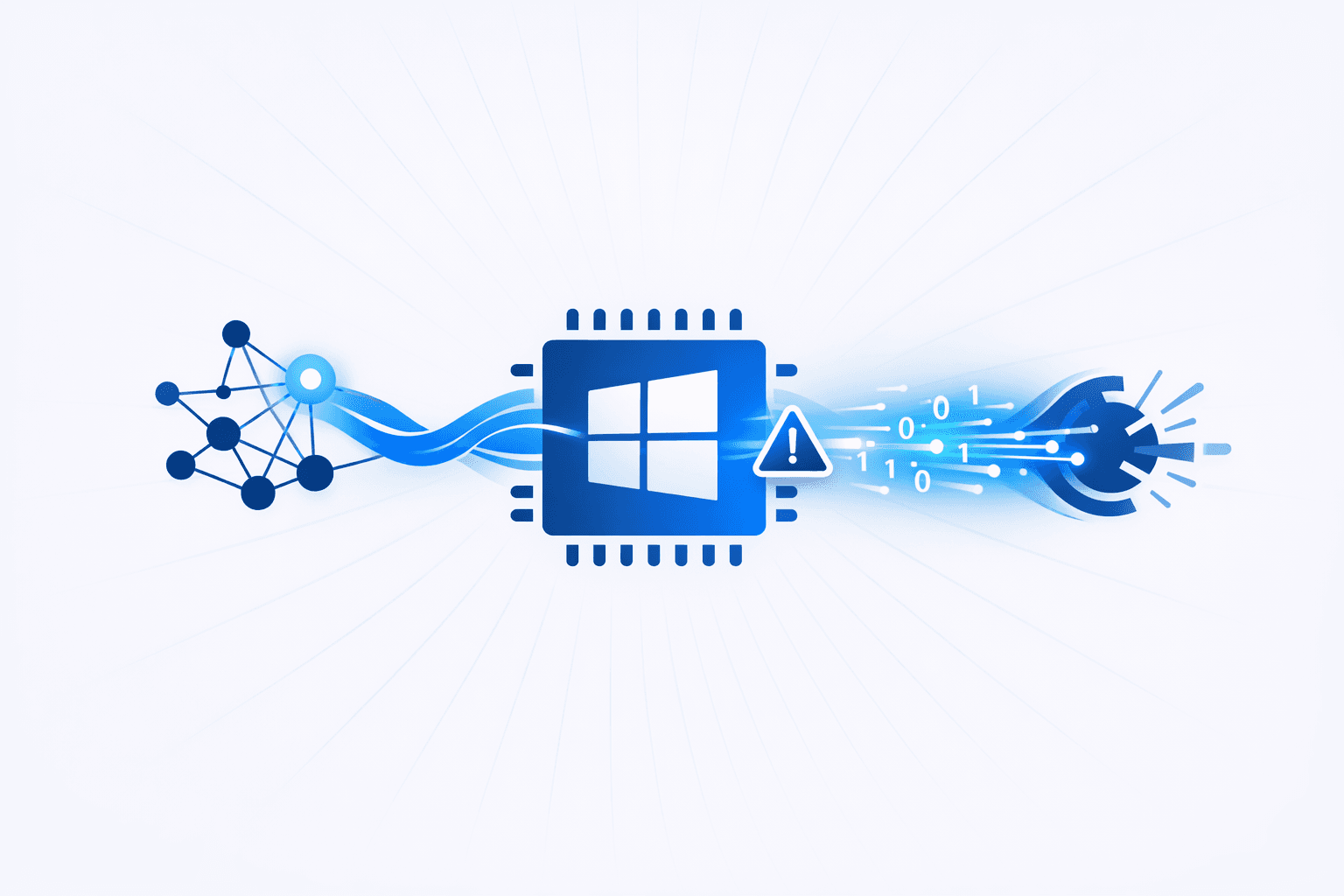
Microsoft RPC RCE Raises Risk of Wormable Windows Network Compromise

Microsoft disclosed CVE-2026-62781, a high-severity remote code execution flaw in the Windows RPC Runtime Library that allows an unauthenticated attacker to execute code over the network. The heap-based buffer overflow, tracked as CWE-122 and scored CVSS 8.1, affects a broad range of Windows client and server platforms, including Windows 10, Windows 11, and Windows Server 2012, 2016, 2019, 2022, and 2025, according to the CVE entry and Microsoft advisory.

The exposure is notable because exploitation of remote services has repeatedly enabled rapid lateral movement and internal propagation across Windows environments. MITRE ATT&CK maps this activity to T1210, citing past abuse of SMB, Netlogon, RPC, and Print Spooler flaws by threats such as WannaCry, NotPetya, TrickBot, Conficker, and multiple intrusion groups; Splunk has also tied remote-service exploitation detections to the same technique in prior RCE-related content. Security teams are likely to treat the new RPC flaw as a priority patching issue given its network-reachable nature and the history of Windows remote-service vulnerabilities being used for enterprise-wide spread.

Why it matters

Impact assessment

CVE-2026-62781 creates a high-priority exposure across broadly deployed Windows client and server systems because it enables unauthenticated remote code execution in the RPC Runtime Library over the network. Enterprises with flat internal networks, legacy Windows estates, or large server populations face elevated risk of rapid lateral movement, service disruption, ransomware deployment, and domain-wide compromise if exploitation becomes reliable.

Summary

The affected population is wide: Windows 10, Windows 11, and Windows Server 2012/2012 R2/2016/2019/2022/2025. Impact severity is high because successful exploitation can deliver code execution without credentials or user interaction, and the network-reachable nature of RPC raises the risk of internal propagation similar to prior Windows remote-service exploitation events.

Supporting details

  • Affected industries: any sector operating Windows endpoints and servers, especially enterprises with large Active Directory environments.
  • Affected products: Windows 10, Windows 11, Windows Server 2012, 2012 R2, 2016, 2019, 2022, and 2025.
  • User populations at risk: enterprise workstations, member servers, application servers, and potentially domain-adjacent infrastructure exposing vulnerable RPC services.
  • Severity drivers:
    • Unauthenticated network attack path
    • Remote code execution outcome
    • No user interaction required
    • Potential for lateral movement and worm-like spread inside trusted networks
  • Business impact:
    • Operational disruption from widespread host compromise
    • Data loss or theft following post-exploitation access
    • Financial impact from incident response, downtime, and ransomware/extortion scenarios
    • Reputational damage if enterprise-wide compromise occurs
  • Scope of exposure: potentially widespread due to the breadth of supported Windows versions affected.
  • Known exploitation in the wild: none stated in the provided references.
  • Historical context increasing concern:
    • MITRE ATT&CK T1210 documents repeated abuse of Windows remote-service flaws by WannaCry, NotPetya, TrickBot, Conficker, and multiple intrusion groups.
    • Prior remote-service vulnerabilities in SMB, Netlogon, RPC, and Print Spooler have enabled rapid internal spread after initial access.
Patch this, or something else?See real exploitation activity before you spend the cycle.
Triage this advisory
Event timeline

How this story unfolded

Events from the most recent confirmed update back to the earliest known activity.

4 events · May 14, 2026 – Aug 11, 2026
  1. Aug 11, 20264mo ago

    Microsoft publishes CVE-2026-62781 for RPC Runtime Library RCE

    Microsoft published CVE-2026-62781, a high-severity heap-based buffer overflow in the RPC Runtime Library that allows unauthorized code execution over a network. The CVE affects multiple Windows client and server versions and carries a CVSS v3.1 score of 8.1.

    CVE-2026-62781 - RPC Runtime Library Remote Code Execution Vulnerability
  2. May 14, 20267mo ago

    Splunk removes copybuckets RCE detection from content library

    Splunk Threat Research removed the detection 'Splunk RCE via External Lookup Copybuckets' from its content library because the related CVEs had been patched. The removal is stated to have occurred in content library version 5.6.0.

    Detection: Splunk RCE via External Lookup Copybuckets | Splunk Security Content
  3. Reported May 14, 20267mo ago

    Splunk patches CVEs tied to copybuckets external lookup RCE path

    The associated CVEs for the Splunk copybuckets external lookup remote code execution path were patched in the latest Splunk release, according to Splunk Threat Research. The reference does not provide an explicit date for when the patch release occurred.

    Detection: Splunk RCE via External Lookup Copybuckets | Splunk Security Content
  4. Reported May 14, 20267mo ago

    Splunk links copybuckets RCE issue to advisory SVD-2024-0705

    Splunk advisory SVD-2024-0705 is identified as the vulnerability advisory associated with remote code execution attempts involving the copybuckets script in the splunk_archiver application when invoked as an external lookup. The reference does not anchor a specific event date for the advisory itself.

    Detection: Splunk RCE via External Lookup Copybuckets | Splunk Security Content
Linked entities

Related entities

Vulnerabilities, threat actors, malware, products, organizations, and breaches Mallory has linked to this story.

Open in app →

Affected products

9 linked
Windows Server 2016WindowsWindows 11Windows ServerWindows 10Windows Server 2012Windows Server 2025Windows Server 2022Windows Server 2019
Do you run this?See real exploitation activity behind this advisory so you can triage it against everything else in the queue.
Prioritize This Patch
Mallory platform

See the full picture, correlated to your attack surface.

This page covers what’s public. Mallory adds the parts that aren’t: which of your assets are affected, which threat actors are using it right now, and what to deploy next.

Exposure mappingMap indicators from this story to your assets and identify affected systems in minutes.
Threat actor evidenceEvery observed campaign, victim, and pivot linked to actors named in this story.
Associated malwareMalware, exploits, and IOCs connected to the activity described here.
Detection signaturesYARA, Sigma, and Snort rules deployed to your SIEM as soon as they’re published.
Scheduled alertsGet matching new stories delivered to your team as they break, not the next morning.
AI threadsAsk questions about this story and take action on the answers.