Mallory
← Back to News
identity-impersonation-fraudbusiness-email-compromiseai-enabled-threat-activityvoice-social-engineering

Arup Loses $25 Million in Deepfake Video Call Fraud

Social Engineering & Fraud · 5 sources · Updated 5mo ago · First seen May 25, 2026

Arup Loses $25 Million in Deepfake Video Call Fraud

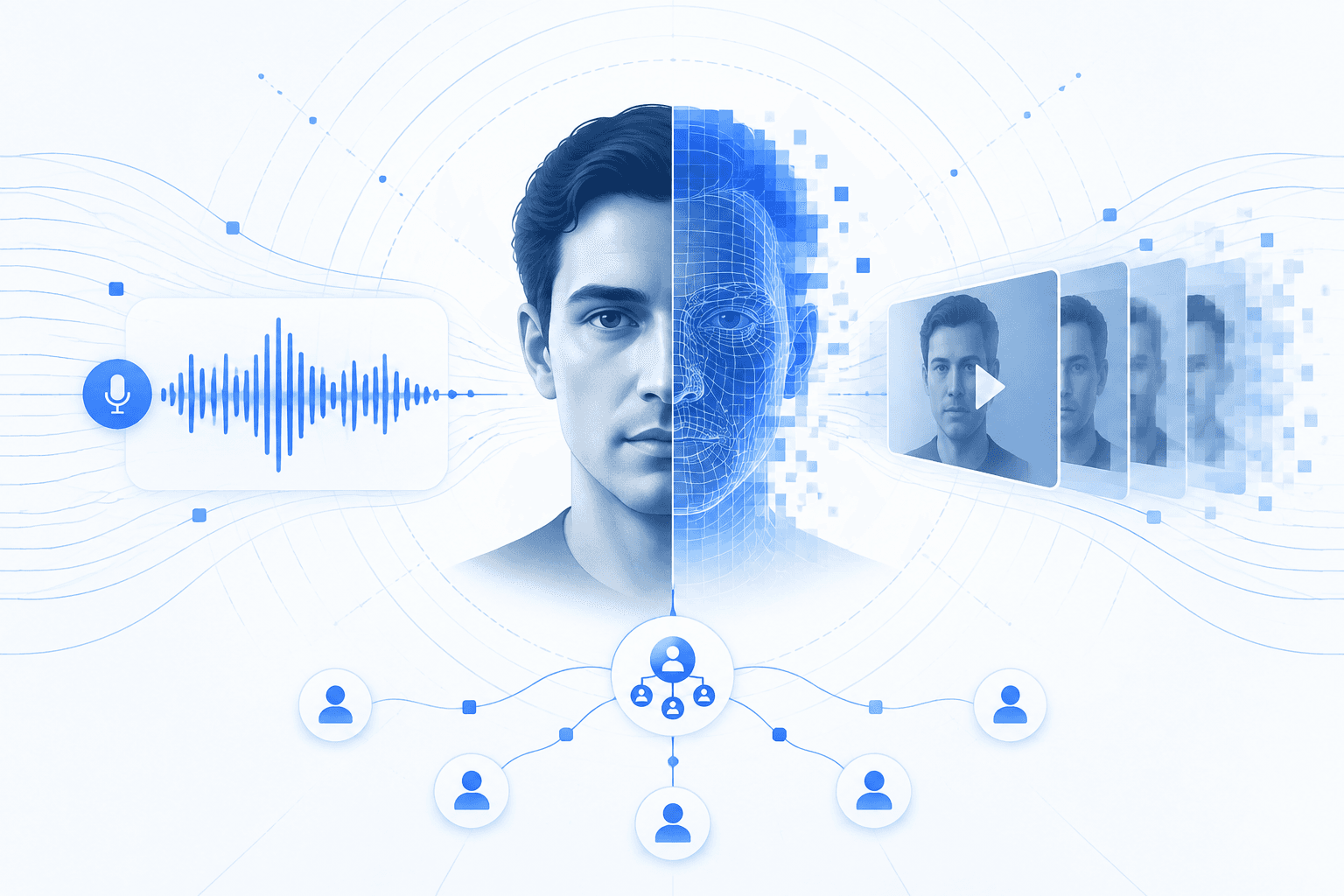
Arup, the London-based engineering and design firm, confirmed that fraudsters stole about HK$200 million (roughly US$25 million) after targeting an employee in its Hong Kong office with a deepfake-enabled impersonation scheme. According to the company and Hong Kong police, the employee first received a message appearing to come from Arup’s UK office about a confidential transaction and initially suspected phishing, but later joined a video conference in which AI-generated voices and images convincingly mimicked the company’s CFO and other colleagues.

Believing the meeting was legitimate, the employee transferred funds to multiple Hong Kong bank accounts before checking with headquarters and discovering the scam. Arup said it reported the incident to Hong Kong police in January, that the case remains under investigation, and that its internal systems were not compromised and business operations were unaffected. The theft has drawn attention to the growing use of deepfake video, voice spoofing, and business email fraud in corporate payment scams, with security experts warning that generative AI is making executive impersonation attacks more convincing and scalable.

Why it matters

Impact assessment

A multinational engineering and design firm was successfully defrauded of approximately HK$200 million (about US$25 million) through a deepfake-enabled business email compromise and executive impersonation scheme. The primary risk applies to enterprises with centralized finance operations, cross-border payment workflows, and staff who rely on email and video calls to validate urgent or confidential transfers.

The impact in this case was severe financially, but operational disruption appears limited: Arup stated its internal systems were not compromised and business operations were unaffected. The exposure is broader than a single victim because the attack pattern is scalable across industries, especially against finance, treasury, AP, and executive support functions; this incident is a confirmed real-world exploitation case.

Supporting facts

  • Victim entity: Arup, a London-based engineering and design firm.
  • Targeted office: Hong Kong office.
  • Loss amount: approximately HK$200 million / US$25 million to US$25.6 million.
  • Fraud outcome: funds were transferred to multiple Hong Kong bank accounts.
  • Transaction volume reported: 15 transfers.
  • Arup stated financial stability and business operations were not affected.
  • Arup stated no internal systems were compromised.
  • Known exploitation in the wild: yes, confirmed by Arup and Hong Kong police.
  • User populations at highest risk: finance employees, treasury staff, accounts payable, executives, executive assistants, and personnel authorized to approve or execute wire transfers.
  • Industries broadly exposed: any enterprise with high-value payment authority and remote collaboration workflows; especially multinational firms with distributed offices and cross-border transactions.
Is your org in this campaign?Get the infrastructure and lures behind it.
Hunt this campaign
Event timeline

How this story unfolded

Events from the most recent confirmed update back to the earliest known activity.

4 events · Feb 5, 2024 – May 16, 2024
  1. May 16, 20243y ago

    Arup is publicly identified as the victim and confirms the incident

    Arup confirmed that it was the company targeted in the Hong Kong deepfake fraud case and said fake voices and images had been used to deceive an employee. The company reiterated that its systems were not compromised and that the matter remained under police investigation.

  2. Feb 5, 20243y ago

    Hong Kong police publicly disclose the $25 million deepfake scam

    Hong Kong police revealed that a multinational company had lost about HK$200 million after an employee was deceived by AI-generated video and voice impersonations during a conference call. The disclosure brought wider attention to the scale and sophistication of deepfake-enabled business fraud.

  3. Date unknown

    Arup reports the deepfake-enabled fraud to Hong Kong police

    Arup notified Hong Kong police in January after discovering the fraudulent transfers. The case was opened for investigation, and Arup later said its operations and financial stability were unaffected and that no internal systems were compromised.

  4. Date unknown

    Arup employee is tricked by deepfake video call into sending HK$200 million

    A finance employee in Arup's Hong Kong office received a message about a confidential transaction and then joined a video conference featuring AI-generated impersonations of the company's CFO and other staff. Believing the participants were legitimate, the employee transferred about HK$200 million (roughly US$25 million) to fraudsters across multiple Hong Kong bank accounts.

Linked entities

Related entities

Vulnerabilities, threat actors, malware, products, organizations, and breaches Mallory has linked to this story.

Open in app →

Organizations

1 linked
Arup

Breaches

1 linked
ARUP-2024-05
Do you run this?Get the infrastructure, lures, and IOCs behind this campaign, ready to push into your email and identity stack.
Hunt This Campaign
Mallory platform

See the full picture, correlated to your attack surface.

This page covers what’s public. Mallory adds the parts that aren’t: which of your assets are affected, which threat actors are using it right now, and what to deploy next.

Exposure mappingMap indicators from this story to your assets and identify affected systems in minutes.
Threat actor evidenceEvery observed campaign, victim, and pivot linked to actors named in this story.
Associated malwareMalware, exploits, and IOCs connected to the activity described here.
Detection signaturesYARA, Sigma, and Snort rules deployed to your SIEM as soon as they’re published.
Scheduled alertsGet matching new stories delivered to your team as they break, not the next morning.
AI threadsAsk questions about this story and take action on the answers.