Trusted Cloud Services Used in Large-Scale Facebook and Microsoft Phishing Campaigns
Social Engineering & Fraud · 3 sources · Updated 5mo ago · First seen May 2, 2026

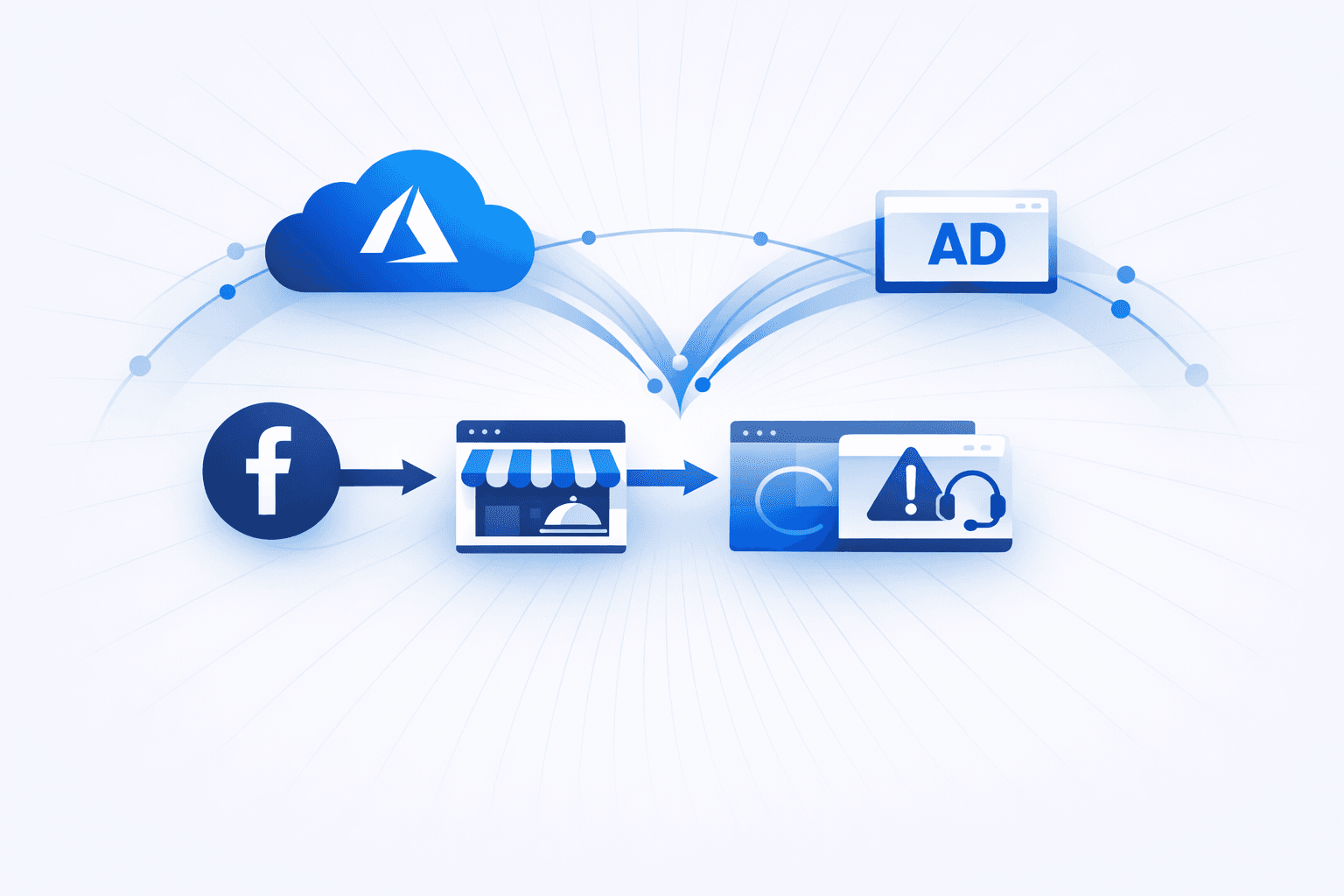
Researchers reported two large phishing operations that abused trusted platforms to improve delivery and evade defenses. Guardio said the AccountDumpling campaign used Google AppSheet to send emails from legitimate Google infrastructure while impersonating Meta Support and recruiters, luring Facebook Business users with fake account disablement notices, copyright complaints, and job offers. The operation compromised about 30,000 Facebook accounts across roughly 50 countries, stealing credentials, 2FA codes, personal data, and government ID images; the stolen information was often funneled through Telegram channels, and the hijacked accounts were later sold or monetized through fraudulent advertising and scams. Evidence in generated PDF metadata linked the activity to Vietnam-based operators, including an individual identified as PHẠM TÀI TÂN.
Microsoft separately disclosed an adversary-in-the-middle phishing campaign that used fake workplace compliance notices to target more than 35,000 users at 13,000 organizations in 26 countries, with most activity concentrated in the United States. Attackers posed as internal HR and compliance teams, sent urgent messages with attached PDFs, and pushed victims through redirects, CAPTCHA checks, and a counterfeit Microsoft sign-in page designed to steal session tokens rather than just passwords, allowing account access without the victim's second factor. The incidents show how attackers are increasingly relying on legitimate cloud services and convincing enterprise-themed lures to bypass spam controls, defeat traditional authentication protections, and accelerate account takeover at scale.
Why it matters
Impact assessment
Two distinct large-scale phishing operations are abusing trusted cloud and email services to improve delivery, evade filtering, and accelerate account takeover. The immediate impact is highest for Facebook Business and advertiser account holders and Microsoft 365 users in enterprise environments, with risk spanning credential theft, session hijacking, fraudulent ad spend, business disruption, reputational damage, and follow-on scams.
Summary
AccountDumpling has already resulted in about 30,000 compromised Facebook accounts across roughly 50 countries, indicating confirmed successful exploitation in the wild. Microsoft’s AiTM campaign targeted more than 35,000 users at 13,000 organizations in 26 countries; while Microsoft did not confirm compromise counts, the scale and token-theft design make it a high-risk enterprise exposure.
Affected populations
- Facebook Business users and advertiser accounts
- Organizations using Microsoft accounts and Microsoft 365 workflows
- Enterprises with HR/compliance-themed internal communications that can be impersonated credibly
- Users in the United States most prominently, with additional global exposure
Severity and business consequences
- Account takeover can enable fraudulent advertising, page hijacking, scams, and resale of access on illicit markets
- Theft of credentials, 2FA codes, personal data, and government ID images creates identity fraud and account recovery abuse risk
- Session token theft in the Microsoft campaign can bypass traditional MFA protections and enable immediate mailbox or SaaS access
- Likely downstream impacts include financial loss, brand abuse, internal fraud, and reputational damage
Scope and observed exploitation
- AccountDumpling: about 30,000 Facebook accounts compromised across about 50 countries
- Microsoft campaign: more than 35,000 users targeted across 13,000 organizations in 26 countries
- Both campaigns are broad and international rather than narrowly targeted
- Confirmed exploitation in the wild exists for AccountDumpling; Microsoft confirmed active targeting but did not disclose successful compromise totals
Entities and locations
- Campaign: AccountDumpling
- Reporting organizations: Guardio, Microsoft Defender Research
- Impersonated brands/entities: Meta Support, Apple, Coca-Cola, Pinterest, Adobe, internal HR, internal compliance teams, Paubox branding
- Suspected operator linkage: Vietnam-based actors; individual named PHẠM TÀI TÂN; associated site phamtaitan.vn