Multiple Social-Engineering Campaigns Abuse Trusted Platforms (Microsoft Teams, Vendor-Signed Email, Bing Ads/Azure)
Social Engineering & Fraud · 4 sources · Updated 5mo ago · First seen Feb 11, 2026

Security researchers reported several social-engineering campaigns that abuse trusted platforms to increase credibility and bypass controls. One campaign targeted wedding planners and related vendors by hijacking trust in Microsoft Teams: attackers used compromised legitimate email threads and impersonated legal professionals (e.g., czimmerman@craigzlaw[.]com) to lure victims into clicking a fake Teams meeting link that ultimately redirected to ussh[.]life/connect/teamsfinal/9/windows, a site masquerading as a Teams download page. Victims were prompted to download Windows executables consistent with information-stealer behavior (credential/browser/session-token theft and C2 exfiltration), enabling follow-on account takeover and additional phishing.
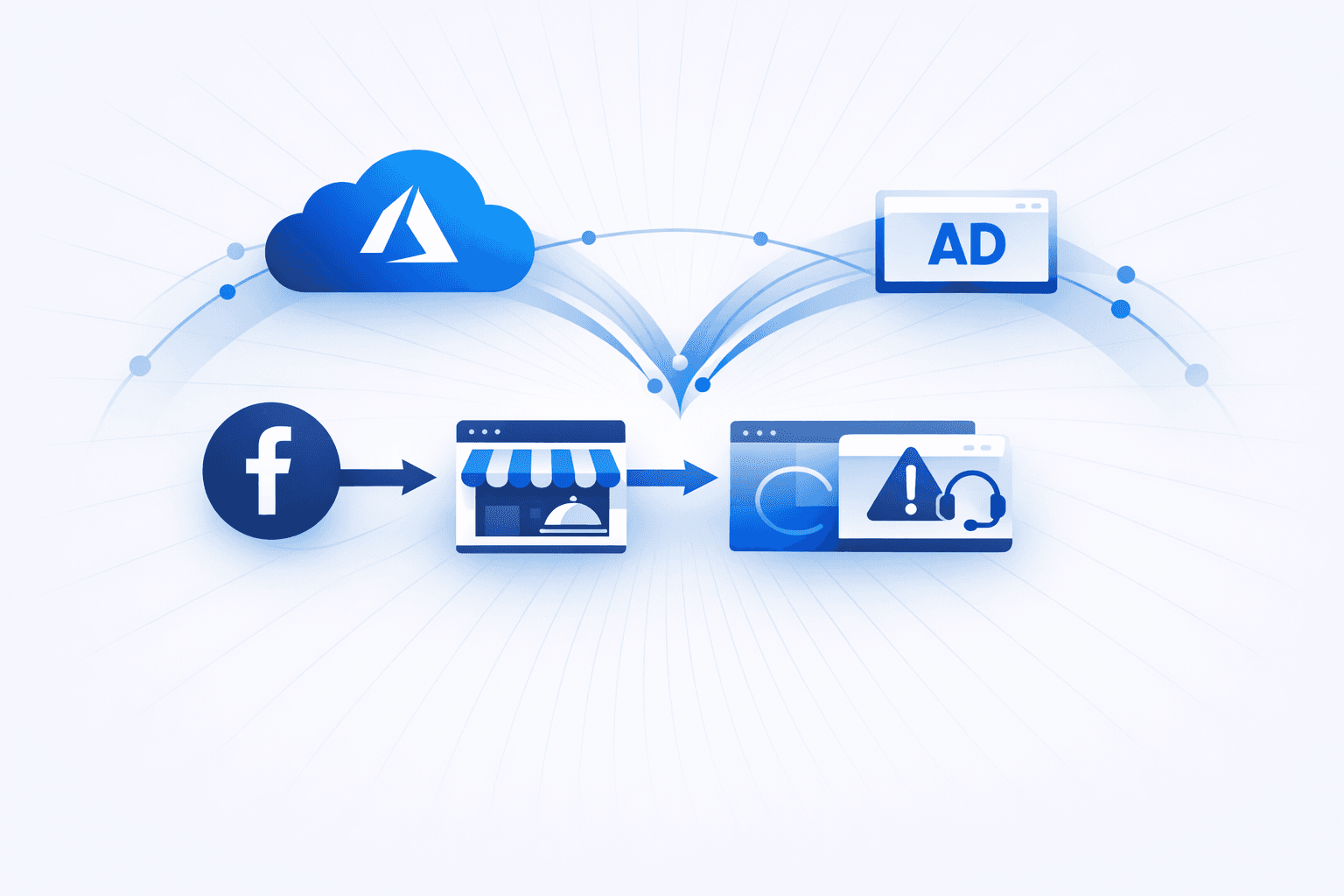
Separately, a report highlighted DKIM replay-style phishing in which criminals abuse legitimate notification/invoice workflows from PayPal, Apple, and DocuSign to generate cryptographically signed emails that pass DKIM/DMARC checks; attackers place scam content (often a fake support phone number and urgency) into user-controlled fields, send the message to themselves to obtain a “clean” vendor-signed email, then forward it to targets. Another campaign used Bing search ads to funnel users through a newly registered domain (highswit[.]space) to scam pages hosted on Microsoft Azure Blob Storage (consistent path pattern including werrx01USAHTML/index.html and a phone-number parameter), presenting fake Microsoft security warnings and directing victims to call numbers such as 1-866-520-2041 and 1-833-445-4045; Netskope observed impact across dozens of US organizations.
Why it matters
Impact assessment
These campaigns affect enterprise users and consumers who rely on trusted platforms and brands, with direct exposure for Microsoft 365 users, wedding-industry vendors, and organizations whose staff use Bing search or process vendor notifications from PayPal, Apple, and DocuSign. The likely impact includes credential theft, session-token theft, account takeover, follow-on phishing, fraudulent remote-access sessions, financial theft, and potential downstream ransomware or broader enterprise compromise.
The scope is broader than a single vertical: one campaign specifically targeted U.S. wedding planners and vendors, while the Bing/Azure scam activity affected users across 48 U.S. organizations in healthcare, manufacturing, and technology. There are observed incidents in the wild across multiple campaigns, and the abuse of legitimate infrastructure and signed email materially increases success rates and reduces user suspicion.
Supporting facts
- Targeted populations:
- U.S. wedding planners and wedding-industry vendors
- Corporate Microsoft Teams users
- Users receiving vendor notifications from PayPal, Apple, and DocuSign
- Users searching via Bing across U.S. organizations
- Affected industries named:
- Healthcare
- Manufacturing
- Technology
- Wedding services and related vendors
- Business impact:
- Theft of credentials, browser data, and session tokens
- Account takeover and reuse of compromised accounts for additional phishing
- Exposure of client PII, payments, contracts, and corporate documents
- Fraudulent remote-access sessions and theft of financial information
- Potential backdoor access that could be leveraged by ransomware operators
- Scope and prevalence:
- Bing/Azure scam activity observed across 48 U.S. organizations
- Teams-themed malware delivery and abuse of Teams lures has been observed since 2022
- Multiple separate campaigns show a common pattern of abusing trusted brands and platforms to bypass controls
- Exploitation status:
- Active phishing and scam campaigns were observed in the wild
- Researchers from SEAL Org, Kaseya/INKY, and Netskope reported live activity