SmokeLoader Campaigns Exposed Through Remus Plugin and Shared C2 Infrastructure
Threat Actor Intelligence · 3 sources · Updated 5mo ago · First seen Apr 25, 2026

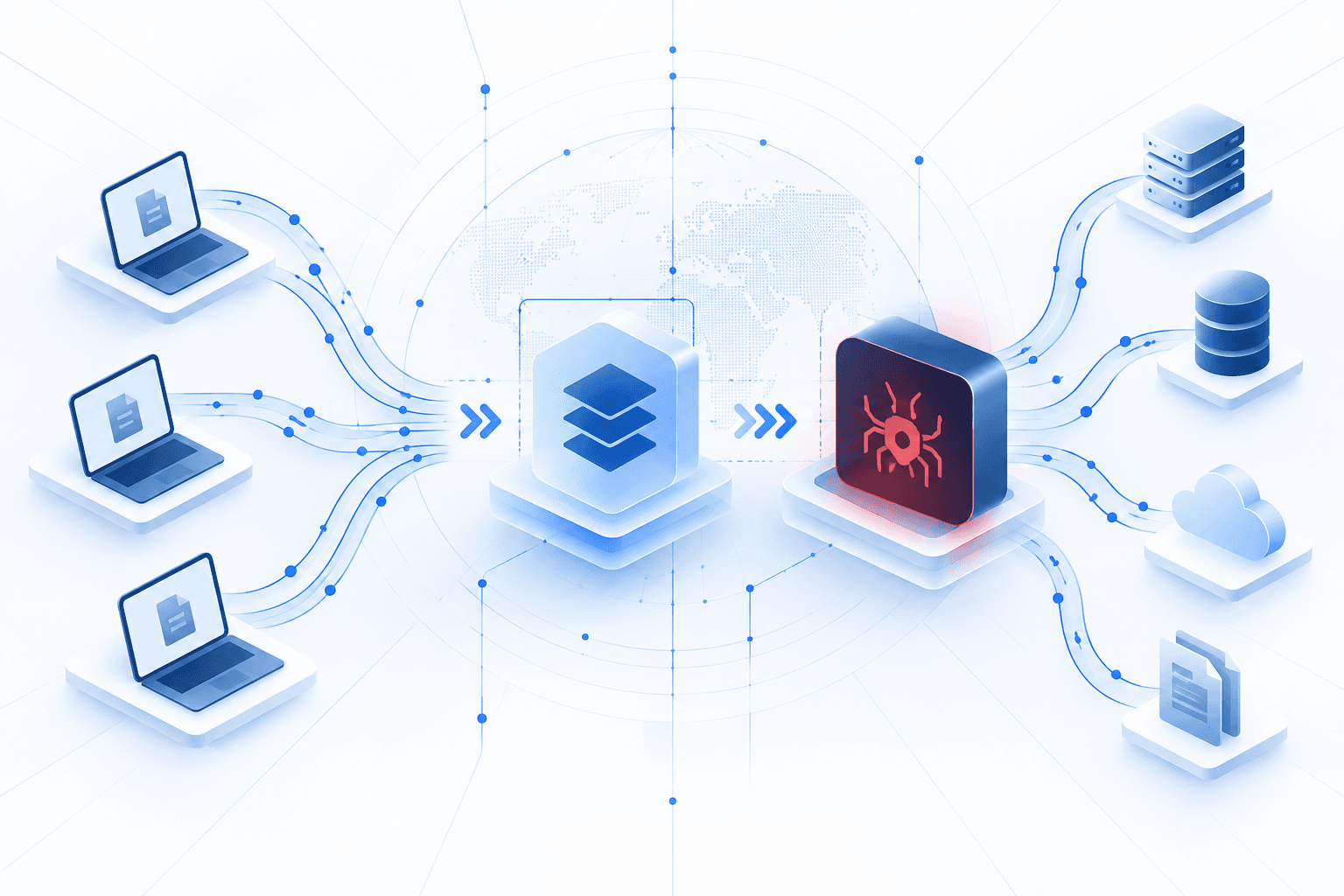
Researchers traced multiple SmokeLoader operations to live command-and-control infrastructure that supported credential theft, screenshot capture, clipboard theft, host profiling, and data exfiltration. One March 2026 campaign used a ClickFix social-engineering lure, an MSI installer, and a Go-based loader to deploy the Remus plugin, with exfiltration sent to baxe[.]pics:48261; investigators extracted configuration data including the C2 URL, campaign ID, plugin markers, and a ChaCha20 key that allowed captured traffic to be decrypted. Cross-sample analysis linked the same builder output to SmokeLoader deliveries via Amadey, Phorpiex, and the ClickFix/GOLoader chain, pointing to a shared malware-as-a-service or affiliate ecosystem.
Separate analysis tied SmokeLoader to a broader dual-family operation involving Fuery, likely run by an operator using the alias "ingermany", who used a Flask-based panel disguised as "InsureFlow Pro" and a second "Monkey" panel for Fuery management. Investigators documented repeated OPSEC failures across the infrastructure, including reused certificates, exposed registration data, same-day domain registrations, and a C2 domain that shared a VPS with a legitimate Arabic-language learning platform, qimmaedu[.]com, while malware traffic beaconed to coox[.]live and baxe[.]pics. The reports also highlighted unusual technical overlaps, including Go 1.20.1 builds, Raft protocol type-name obfuscation, split C2 services on high ports, and hosting links to providers and subnets previously associated with Phorpiex, reinforcing the assessment that financially motivated operators were reusing infrastructure across malware families and legitimate services.
Why it matters
Impact assessment
SmokeLoader activity in these reports affects organizations and users exposed to commodity malware delivery chains, especially Windows endpoints targeted through social-engineering lures and secondary loaders such as Amadey, Phorpiex, and ClickFix/GOLoader. The impact is high for infected hosts because the observed capability set includes browser credential theft, email client data theft, cryptocurrency wallet discovery, screenshot capture, clipboard theft, host profiling, and bulk data exfiltration.
The exposure appears broader than a single targeted intrusion because the same builder output, shared infrastructure, and overlapping delivery ecosystems were observed across multiple SmokeLoader campaigns and a related Fuery operation. There is confirmed live infrastructure and observed in-the-wild exploitation: researchers interacted with active C2 services, observed beaconing and multipart exfiltration, and documented more than 1 MB of stolen data uploaded during sandbox execution.
Supporting facts
- Affected platforms: Windows endpoints infected with SmokeLoader and Fuery payloads.
- Affected populations: enterprises and users susceptible to fake verification lures, MSI-based malware delivery, and botnet-delivered payloads.
- Malware capabilities observed:
- Browser credential theft
- Email client data theft
- Cryptocurrency wallet discovery/theft targeting
- Screenshot capture
- Clipboard theft
- WMI-based host profiling
- Process and software enumeration
- User and machine identification
- File-upload-based exfiltration
- Scope indicators:
- Same SmokeLoader builder output linked across deliveries via Amadey, Phorpiex, and ClickFix/GOLoader
- Shared infrastructure and tooling between SmokeLoader and Fuery
- Hosting overlap with infrastructure previously associated with Phorpiex
- Known live exploitation:
- SmokeLoader beaconing to coox[.]live:28313
- Exfiltration to baxe[.]pics:48261
- One sandbox run uploaded about 1,022,432 bytes of stolen data
- Business impact:
- Credential compromise can enable account takeover and downstream intrusion
- Theft of wallet data can cause direct financial loss
- Host profiling and screenshot capture increase risk of sensitive data exposure and follow-on fraud
- Shared MaaS/affiliate ecosystem raises likelihood of recurring campaigns rather than isolated activity