REMUS Infostealer Distribution Operation Masquerades as SmokeLoader
Malware Intelligence · 2 sources · Updated 2mo ago · First seen Mar 27, 2026
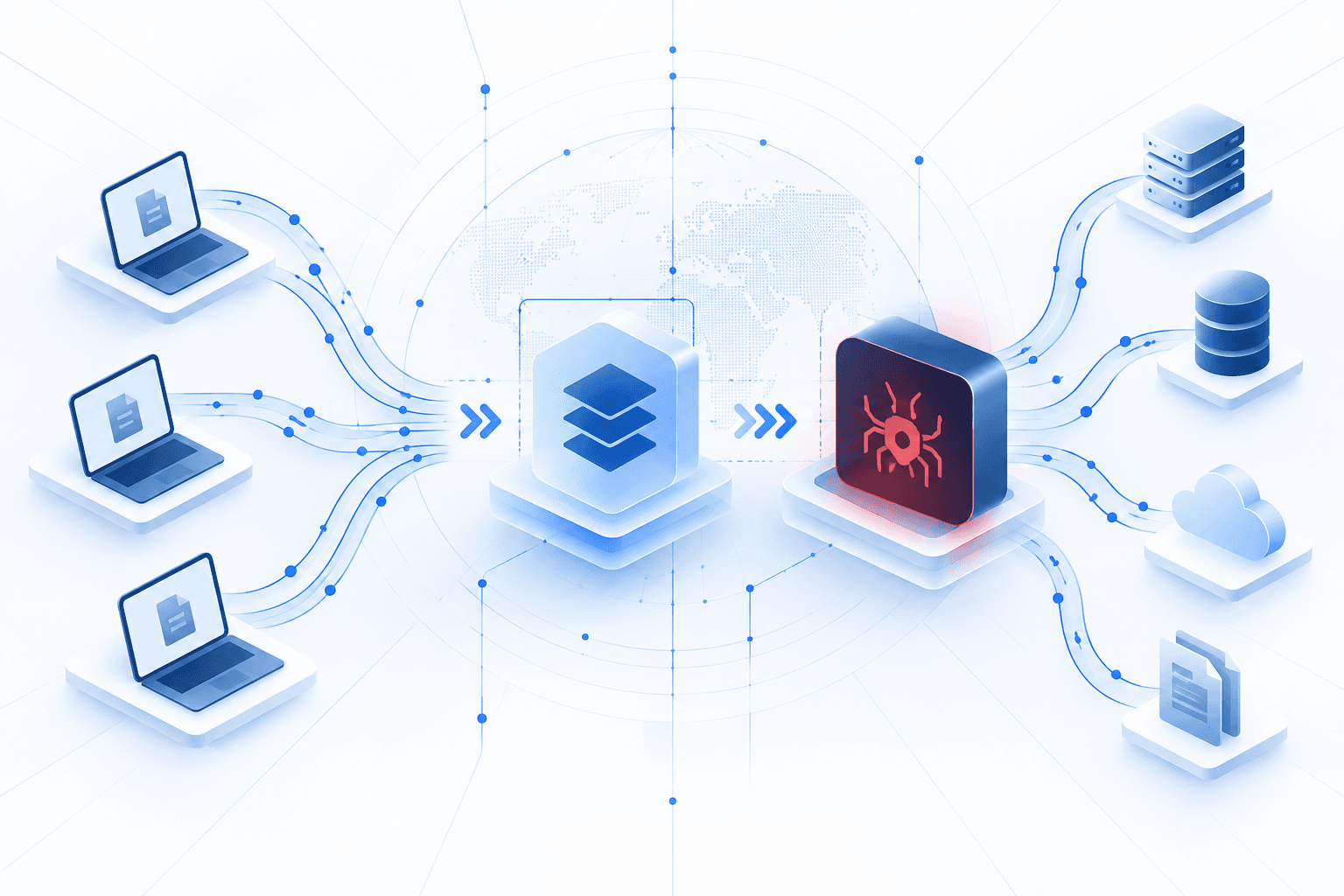
Researchers identified REMUS, a malware-as-a-service infostealer previously mistaken for SMOKELOADER, in campaigns delivering affiliate-specific payloads through ClickFix lures and PLYCHIP staging, DonutLoader in-memory shellcode, and cracked-software bundles using GoFlateLoader. REMUS is assessed to descend from Lumma Stealer via Tenzor, with separate affiliate infrastructure and uniquely identifiable builds.
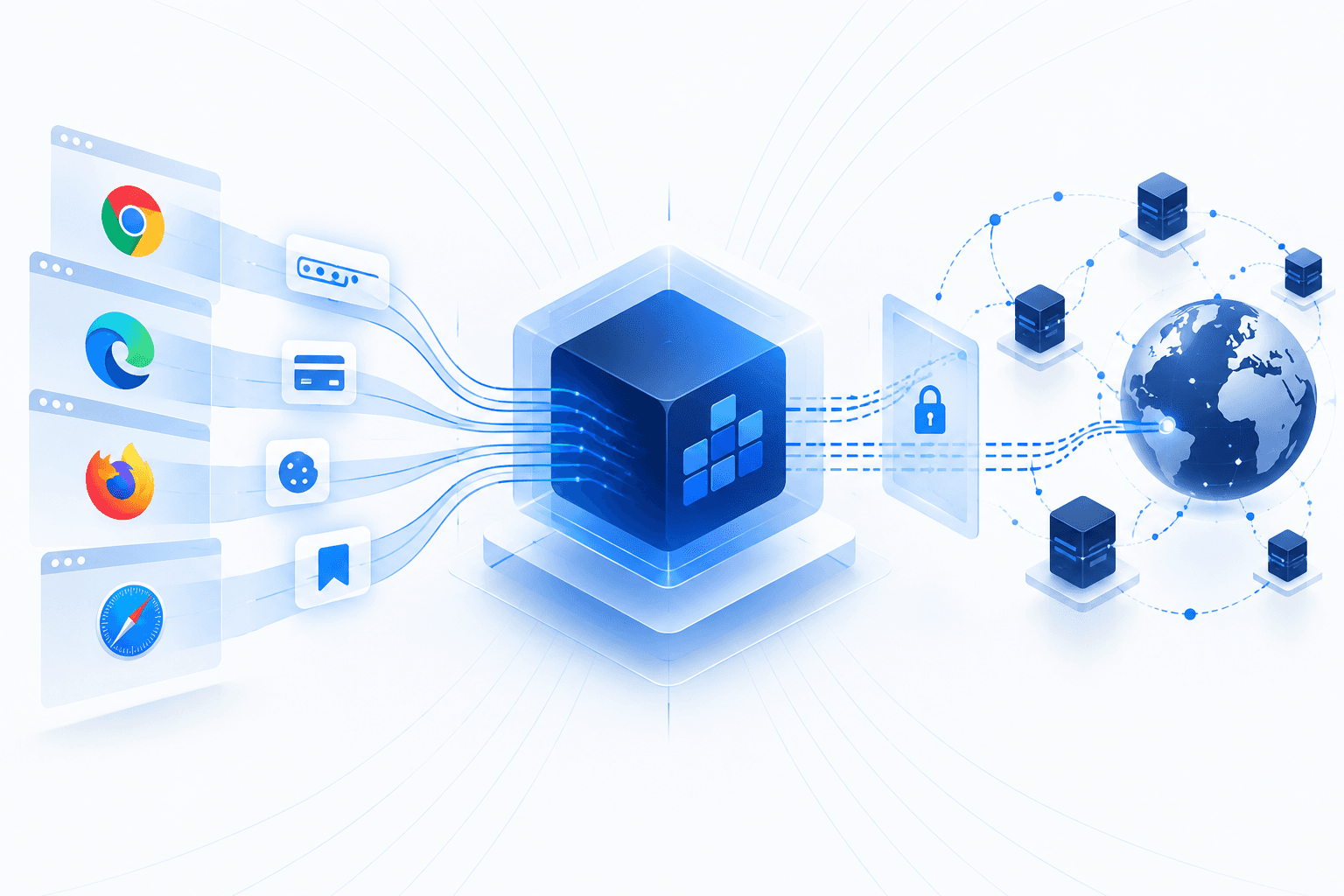
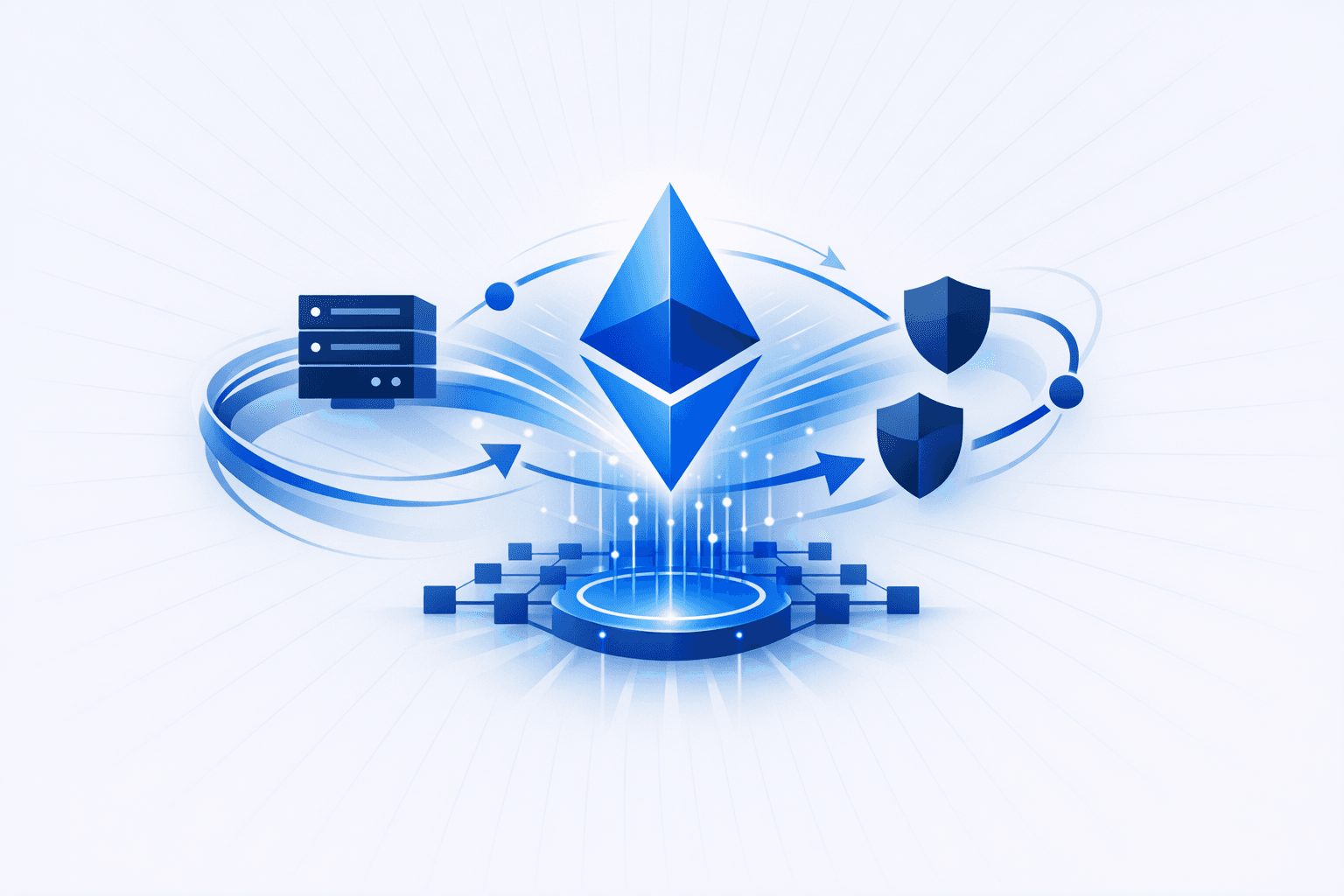
The malware steals browser credentials, cookies, master keys, session tokens, clipboard contents, screenshots, selected files, and data from password-manager, cryptocurrency-wallet, and AI-client extensions. Stolen session material can enable account takeover even where MFA is enabled. Operators use victim screening, anti-analysis controls, memory-resident execution, rotating C2 servers, Host-header spoofing, and cleanup; premium users can use EtherHiding to retrieve C2 information from Ethereum smart contracts. Although REMUS configurations are ChaCha20-encrypted, captured payloads can be decrypted because required material is embedded in the binary.
Why it matters
Impact assessment
REMUS is an active malware-as-a-service infostealer targeting consumer and enterprise users through ClickFix social engineering, in-memory loaders, and trojanized cracked software. It can steal authenticated browser sessions, credentials, cryptocurrency-wallet and password-manager data, creating a high risk of account takeover, financial theft, data loss, and follow-on intrusion even where MFA is enabled.
Scope and severity
- CIS CTI identified distribution activity from March through September 2026.
- The affiliate model, customized per-affiliate builds, and multiple delivery chains support broad, scalable distribution rather than a narrowly targeted operation.
- Organizations are exposed when employees use affected browsers or browser extensions on managed or unmanaged endpoints, particularly where browser session tokens provide access to SaaS, cloud, administrative, financial, or development environments.
- Cracked-software delivery particularly affects users able to install unapproved software; ClickFix lures can affect users across sectors.
- No confirmed victim organizations or publicly attributed intrusion outcomes were provided, but observed REMUS activity includes live C2 registration and exfiltration behavior.
Business consequences
- Theft of browser master keys, cookies, and session tokens can enable MFA-bypass account hijacking.
- Theft of password-manager, cryptocurrency-wallet, AI-client, and selected-file data can result in credential compromise, financial loss, source-code or sensitive-data exposure, and reputational damage.
- Endpoint cleanup, memory-only payload execution, and rotating C2 infrastructure increase investigation and containment cost.