SmokeLoader Campaigns Deliver Banking, Clipper, and Stealer Malware
Malware Intelligence · 4 sources · Updated 4mo ago · First seen Aug 14, 2026
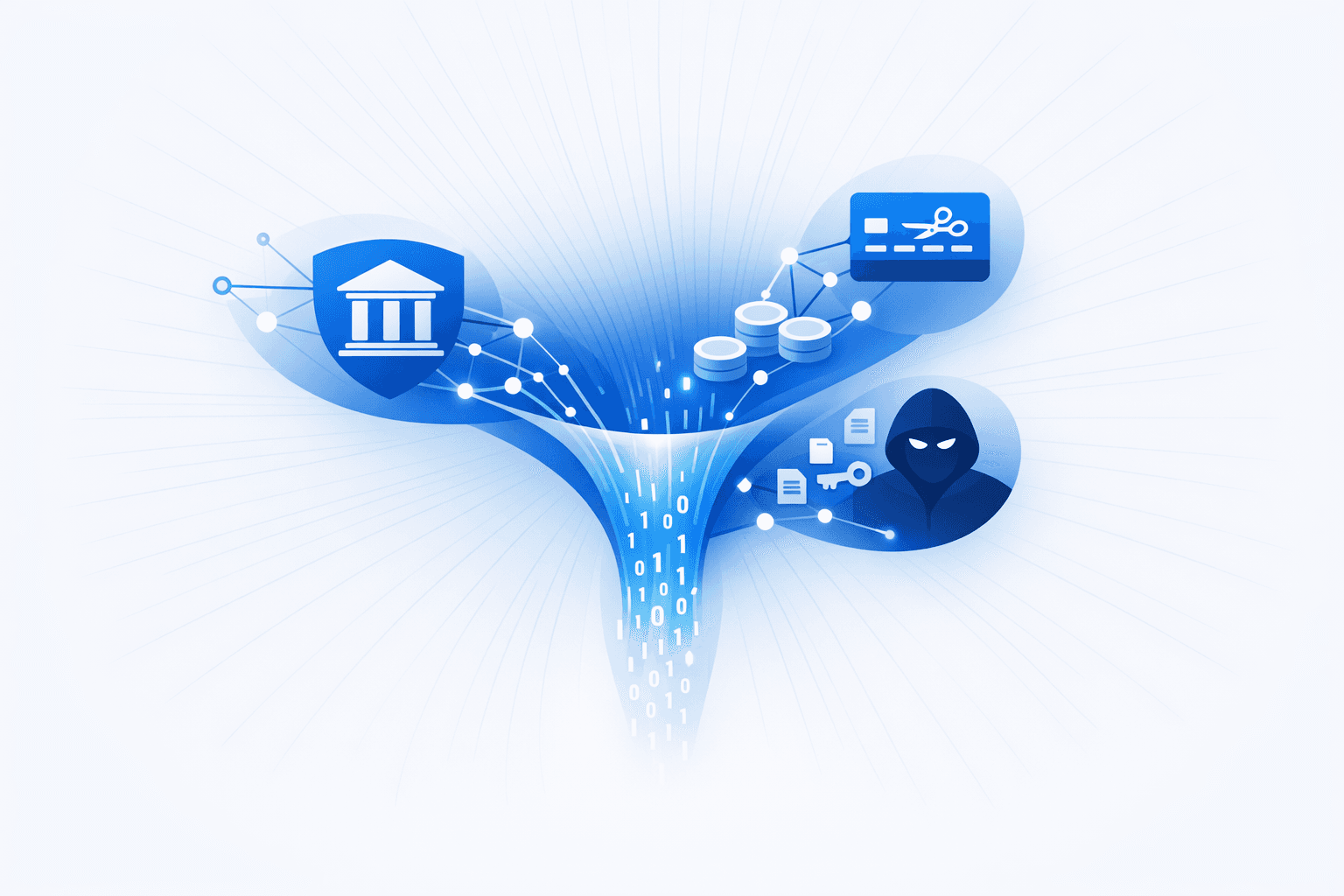
Researchers reported multiple financially motivated malware campaigns using SmokeLoader as a delivery mechanism for follow-on payloads including Gozi ISFB, ZLoader, Oski, AveMaria, Cobalt Strike, SystemBC, RecordBreaker, and the Laplas Clipper cryptocurrency hijacker. In one campaign set, attackers abused website contact forms and sent phishing lures posing as copyright complaints, directing victims to malicious documents hosted on legitimate services such as Google Drive. Talos found the initial payloads were wrapped in a shared crypter identified by the DOS-stub string "Salfram," indicating a common tooling layer across otherwise varied malware deliveries.
The activity relied on evasive and modular infection chains designed to complicate detection and maximize monetization. The Salfram crypter used obfuscation methods including fake API calls, fragmented control flow, self-modifying code, and memory allocation through ZwAllocateVirtualMemory, while later-stage malware added persistence and theft capabilities. Cyble said Laplas Clipper monitored the clipboard for cryptocurrency wallet addresses, pulled regex patterns and replacement addresses from clipper[.]guru, and persisted by copying itself into %appdata% and creating a scheduled task that ran every minute. The combined use of phishing, legitimate hosting platforms, crypter-based obfuscation, and multi-payload delivery shows an adaptable criminal ecosystem built to steal credentials, proxy access, banking data, and cryptocurrency funds.
Why it matters
Impact assessment
These campaigns primarily affect Windows users exposed to phishing-delivered malware, especially organizations with public website contact forms and users who handle email attachments or cloud-hosted documents. Financial impact is direct and multi-layered: credential theft, banking fraud, cryptocurrency theft, proxy abuse, and potential follow-on intrusion through RAT and Cobalt Strike delivery.
The exposure is broad rather than narrowly targeted. Talos observed automated contact-form abuse and phishing using legitimate hosting platforms such as Google Drive, while Cyble identified more than 180 Laplas-related samples in a two-week period, indicating active and scalable distribution. The reporting describes malware delivery and active infections in the wild.
Affected entities and populations
- Windows endpoints targeted through phishing and malicious Office/PDF delivery
- Organizations with public-facing website contact forms abused for initial lure delivery
- Users of cryptocurrency wallets vulnerable to clipboard hijacking
- Enterprises at risk of credential theft, banking malware infection, and secondary payload deployment
Severity and business risk
- Credential theft from browsers and other local data stores via RecordBreaker/Raccoon Stealer 2.0
- Banking fraud risk from Gozi ISFB and ZLoader delivery
- Cryptocurrency theft via Laplas Clipper wallet-address replacement
- Remote access and proxy abuse via SystemBC
- Potential broader compromise through Cobalt Strike delivery and multi-stage payloading
- Reputational and operational risk if compromised hosts are used as attacker infrastructure
Scope and exploitation status
- More than 180 Laplas-related samples identified over two weeks by Cyble
- Multiple malware families delivered through the same ecosystem, indicating a reusable criminal distribution service
- Use of legitimate cloud hosting and rotating infrastructure increases victim reach and reduces blocking effectiveness
- Known malicious activity and infections were observed in the wild by both Cyble and Cisco Talos