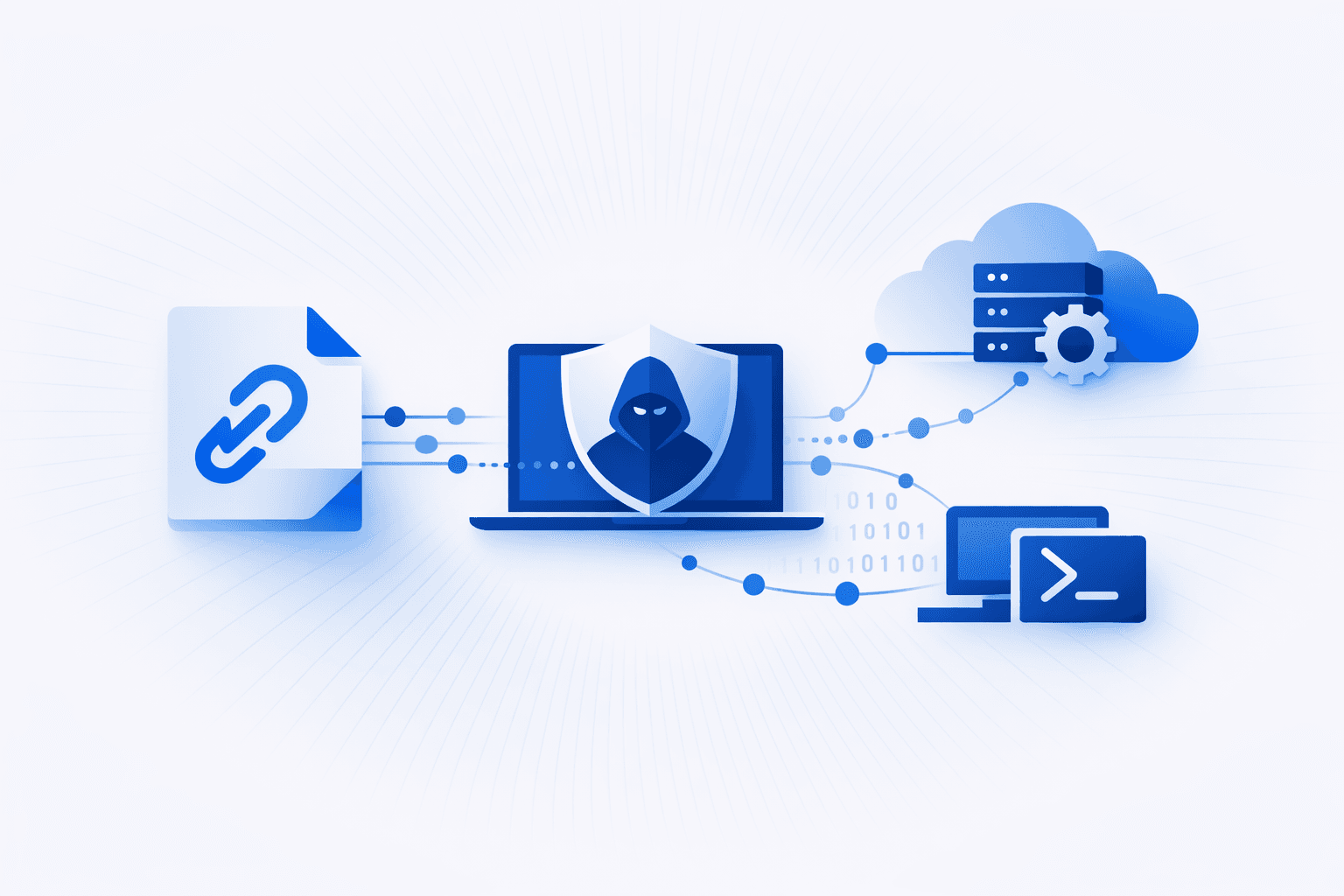
LNK-Based Malware Campaigns Deliver PlugX and Custom .NET RAT
Malware Intelligence · 2 sources · Updated 5mo ago · First seen Apr 9, 2026
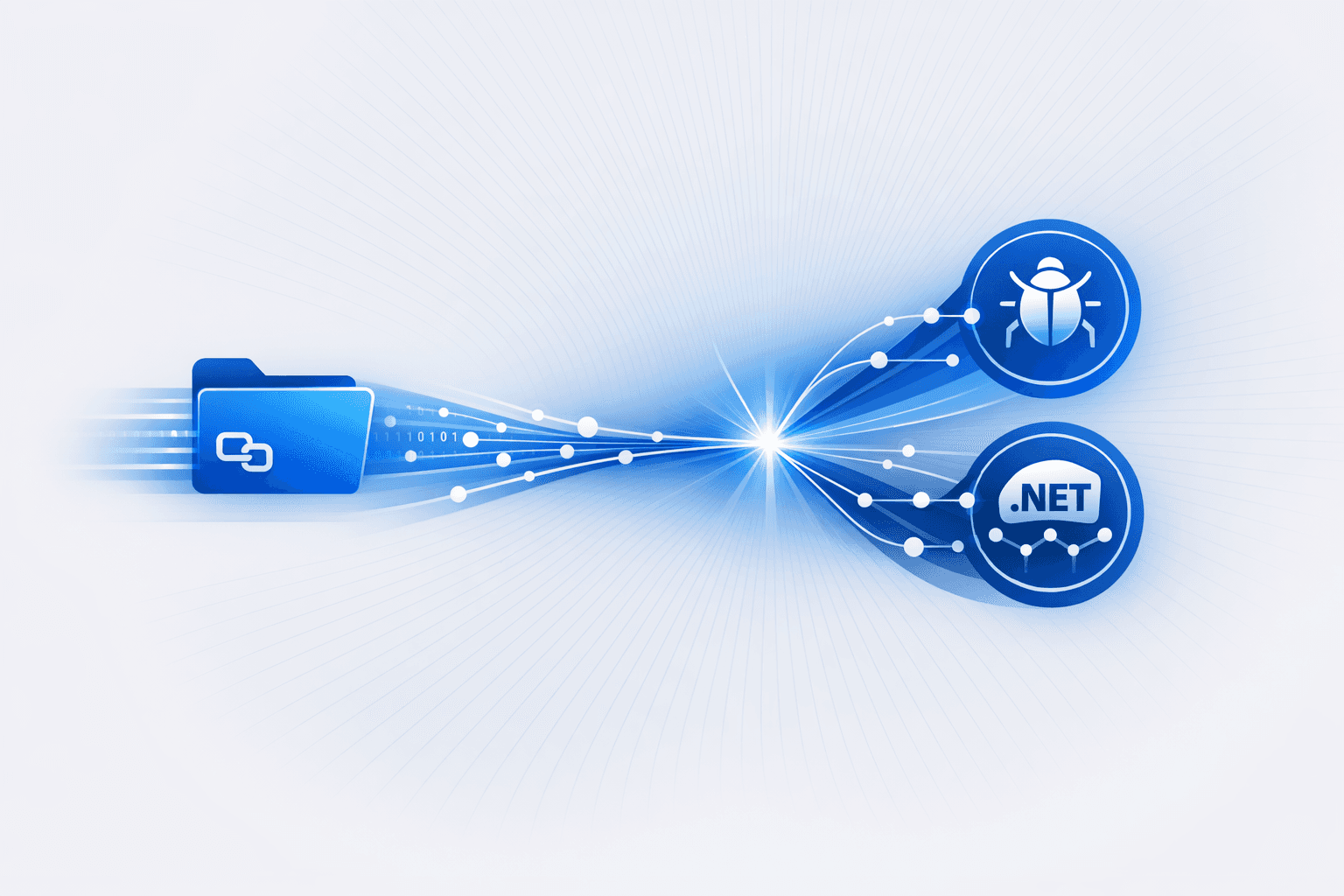
Researchers documented two separate but related LNK-driven intrusion chains that used shortcut files as the initial lure to fetch additional malware from attacker-controlled infrastructure. In one campaign targeting organizations in the Arabian Gulf region, a China-nexus threat actor used a Middle East conflict-themed ZIP archive containing an LNK file that downloaded a malicious CHM file and ultimately deployed a PlugX backdoor. The infection chain progressed through a second LNK, a TAR archive, DLL sideloading, and a shellcode loader before installing PlugX with persistence under a fake Microsoft Display Broker path and service name. The malware used RC4-encrypted components, API hooking, reflective DLL loading, corrupted PE headers, and support for TCP, HTTPS, UDP, and DoH communications, with a decrypted command-and-control endpoint at 91.193.17[.]117:443 and plugins for keylogging, shell access, screen capture, registry, service, and network operations.
A second investigation exposed a live LNK-to-DLL-to-.NET RAT operation staged from an open Apache directory on wildishadventure[.]com/secure9/ and 171.22.182[.]231/secure9/, where researchers recovered weaponized LNK files, custom DLL downloaders, backup files, and a final payload named RemoteMgmt.Agent.exe. That chain abused the legacy ActiveXObject('htmlfile') technique to force Windows to retrieve DLLs over UNC paths, then delivered a custom .NET 4.8 remote access trojan that supported command execution, token-based authentication, JSON-over-raw-TCP C2 over port 443, reconnect-based persistence, and logging to %TEMP%\rmgmt_agent.log. Operational security failures including exposed directory indexing, .old backups, test builds, and unstripped internal names allowed investigators to reconstruct the malware’s development workflow and identify infrastructure spanning BlueVPS, Namecheap, and Cloudflare.
Why it matters
Impact assessment
These campaigns affect Windows environments exposed to user-driven file execution, especially organizations in the Arabian Gulf region and any enterprise whose users may open ZIP- or LAR/LNK-based lures from email, chat, or web downloads. The impact is high because both chains deliver full remote access malware with command execution, persistence, surveillance, and follow-on payload capability, creating risk of credential theft, espionage, lateral movement, and operational disruption.
The scope is mixed: the PlugX activity appears targeted and geopolitically themed, while the exposed open-directory .NET RAT infrastructure indicates a live and reusable intrusion set that could be repurposed more broadly. There is evidence of active malicious infrastructure and functioning payload delivery in the wild for both stories.
Supporting facts
- Targeting/entity context:
- Arabian Gulf organizations were explicitly targeted in the PlugX campaign.
- The lure theme referenced Iranian missile strikes against a US base in Bahrain.
- The second campaign exposed active staging infrastructure at wildishadventure[.]com/secure9/ and 171.22.182[.]231/secure9/.
- Malware impact:
- PlugX provides backdoor access with plugins for keylogging, shell access, screen capture, registry, service, process, SQL, and network operations.
- RemoteMgmt.Agent.exe provides command execution, token-authenticated C2, reconnect persistence, and host logging.
- Severity:
- Both chains establish persistence and enable remote operator control.
- PlugX supports multiple C2 transports including TCP, HTTPS, UDP, and DoH, increasing resilience.
- The .NET RAT uses raw TCP over port 443, which can blend with normal encrypted traffic patterns.
- Scope/exploitation:
- ThreatLabz identified the PlugX chain on March 1, 2026 as an observed attack chain.
- The second investigation recovered live payloads, loaders, backups, and development artifacts from exposed attacker infrastructure, indicating active operations rather than historical residue.