Threat actors abuse shortcut files and legitimate RMM tools to gain persistent access to Windows systems
Malware Intelligence · 3 sources · Updated 5mo ago · First seen Jan 23, 2026
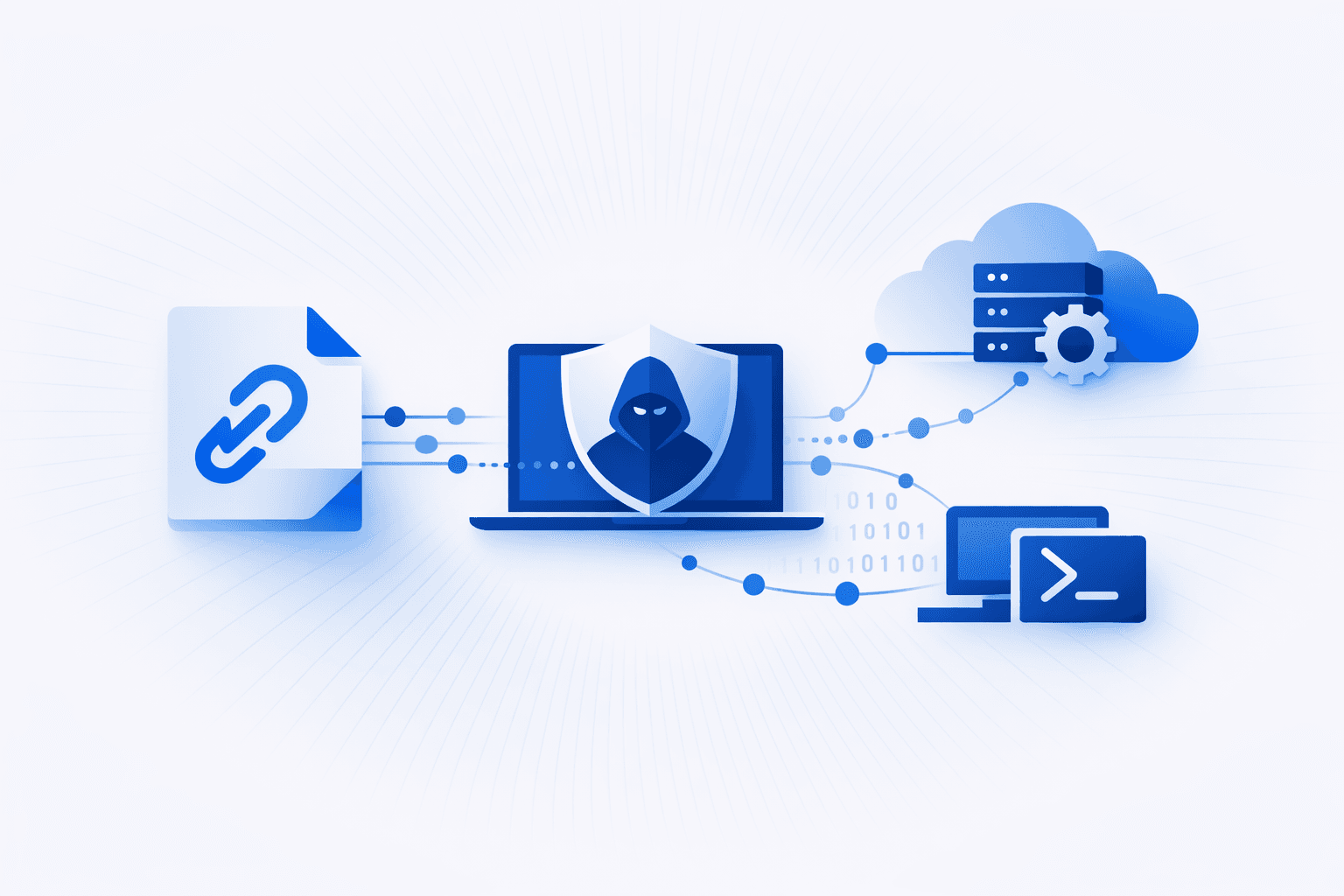
Threat actors are increasingly relying on living-off-the-land techniques and trusted tooling to establish persistent access on Windows endpoints. One campaign used weaponized Windows shortcut (.LNK) files disguised as investment-related PDFs to deliver MoonPeak, a remote access trojan assessed as a XenoRAT variant and linked to North Korea–aligned activity targeting South Korean investors and cryptocurrency traders. Opening the .LNK launches an obfuscated PowerShell-driven, multi-stage infection chain while displaying a decoy PDF; analysis also tied payload hosting to attacker-controlled GitHub repositories, reflecting “Living Off Trusted Sites (LOTS)” tradecraft.
A separate dual-wave intrusion chain used phishing emails masquerading as Greenvelope invitations to steal webmail credentials (e.g., Outlook, Yahoo, AOL), then used the compromised accounts to register for and silently deploy LogMeIn Resolve (formerly GoTo Resolve) for persistent remote access. The installer (GreenVelopeCard.exe) was described as signed and configured to connect to attacker-controlled infrastructure, with follow-on actions including modifying service settings for elevated access and creating hidden scheduled tasks for resilience. Related threat intelligence reporting also highlighted broader “rogue RMM” abuse trends, including Remcos and NetSupport Manager delivery via paste-and-run lures and PowerShell/cmd execution chains (including use of the finger utility to fetch remote payloads), underscoring that adversaries are operationalizing legitimate remote administration software as a stealthy backdoor mechanism.
Why it matters
Impact assessment
This activity affects Windows users and enterprises that rely on email, webmail, and remote administration tooling, with elevated risk for South Korean investors, cryptocurrency traders, and organizations whose users can install or authorize RMM software. The impact is high because both intrusion paths provide persistent remote access that can enable credential theft, lateral movement, surveillance, and follow-on malware deployment while blending into legitimate Windows and SaaS activity.
The scope includes both targeted and broader opportunistic exposure. The MoonPeak/XenoRAT activity is targeted and linked to North Korea-aligned operators, while the Greenvelope/rogue-RMM tradecraft can scale across enterprise environments through phishing and abuse of legitimate LogMeIn Resolve infrastructure; the reporting describes active campaigns and in-the-wild exploitation.
Supporting facts
- Target populations named: South Korean investors and cryptocurrency traders.
- Affected platforms: Windows endpoints.
- Enterprise exposure: organizations using Outlook, Yahoo, AOL, LogMeIn Resolve, GoTo Resolve, or other RMM tooling.
- Business risks: persistent unauthorized remote access, account compromise, stealthy backdoor access, and likely downstream operational disruption.
- Adversary stealth factors: signed installer use, HTTPS communications to legitimate infrastructure, LOTS tradecraft via GitHub, and living-off-the-land PowerShell execution.
- Known active campaigns:
- “Skeleton Key” dual-vector intrusion using stolen credentials and RMM deployment.
- MoonPeak RAT delivery via malicious .LNK files.
- Broader trend noted: abuse of legitimate RMM tools including LogMeIn Resolve, Remcos, and NetSupport Manager as stealthy backdoors.