AI-Assisted GitHub Actions Campaign Exploited `pull_request_target` to Steal Secrets
Supply Chain Risk · 5 sources · Updated 5mo ago · First seen Mar 27, 2026

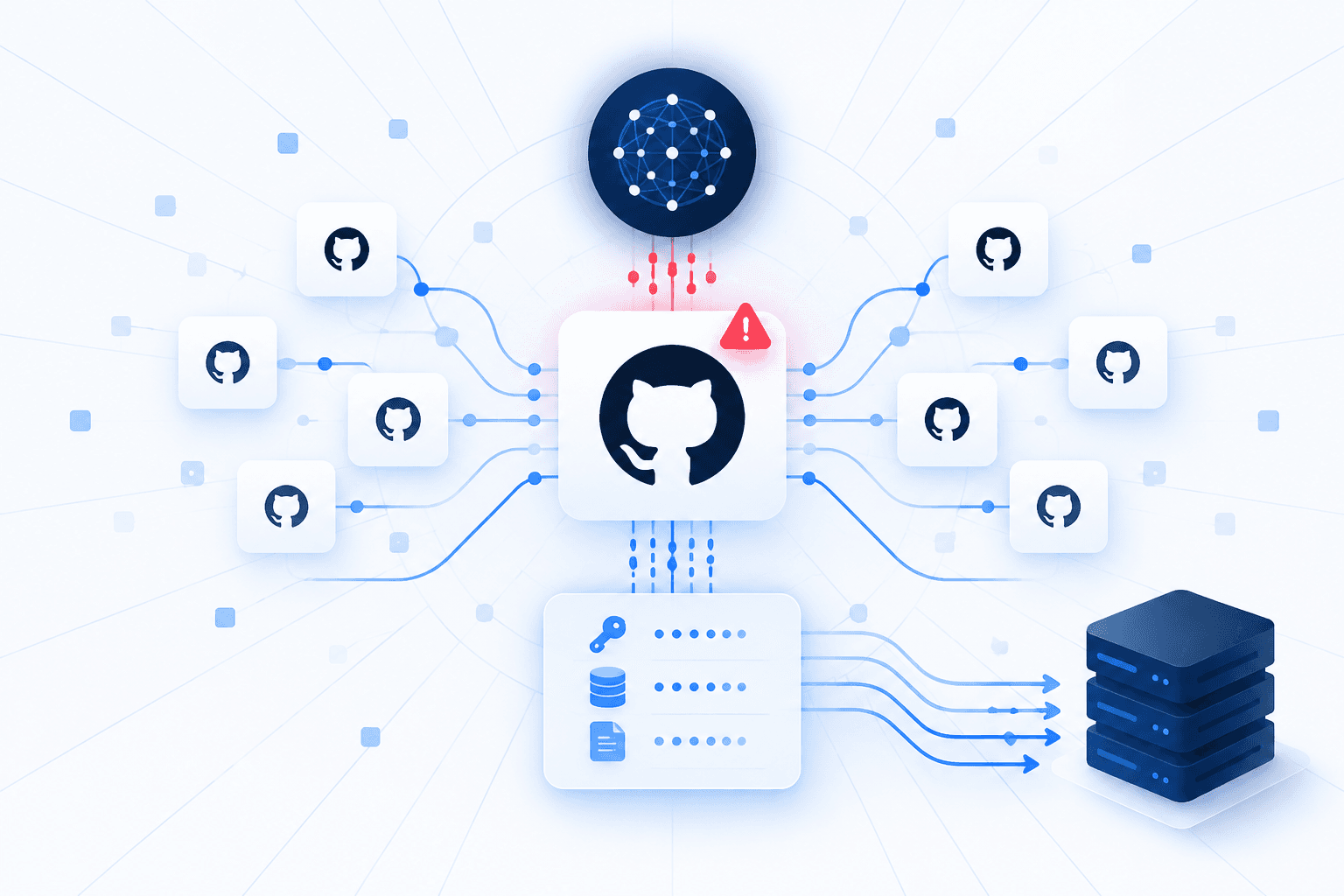
Researchers reported that the prt-scan campaign abused misconfigured GitHub Actions workflows using the pull_request_target trigger to run attacker-controlled code from forked pull requests in privileged CI contexts. The actor used at least six GitHub accounts to submit more than 500 malicious pull requests across six waves, disguising many as routine CI updates and tailoring payloads to Python, Node.js, Go, Rust, and GitHub Actions repositories. Wiz said the operation evolved from simple bash payloads into AI-assisted, repository-aware implants designed to steal GITHUB_TOKEN values, enumerate secrets, probe cloud metadata services, and exfiltrate credentials through workflow logs and pull request comments.
The campaign succeeded often enough to cause real supply-chain impact despite an estimated success rate below 10%. Wiz confirmed compromise of the npm packages @codfish/eslint-config and @codfish/actions across 106 versions, and verified theft of AWS keys, Cloudflare API tokens, and Netlify authentication tokens. High-profile projects including Sentry, OpenSearch, IPFS, NixOS, Jina AI, and recharts reportedly blocked the attempts through contributor approval gates and workflow restrictions. The activity follows earlier warnings from Sysdig that insecure use of pull_request_target in prominent repositories such as MITRE, Splunk, and Spotipy could expose secrets and high-privilege GITHUB_TOKEN permissions, underscoring that unsafe GitHub Actions defaults remain an active software supply-chain risk.
Why it matters
Impact assessment
The campaign affects organizations and maintainers that use GitHub Actions with pull_request_target in repositories accepting fork-based pull requests, especially open-source projects and package publishers. Impact ranges from theft of GITHUB_TOKEN values and CI/CD secrets to downstream software supply-chain compromise, with confirmed malicious impact on two npm packages and verified theft of AWS, Cloudflare, and Netlify credentials.
The exposure is broad because the attack pattern targets a common GitHub Actions misconfiguration rather than a single product vulnerability, but observed successful compromises were concentrated in smaller hobbyist projects. Exploitation occurred in the wild: Wiz tracked more than 500 malicious pull requests across six waves, with a success rate below 10% that still produced dozens of compromises.
Supporting facts
- Affected workflow pattern: GitHub Actions repositories using
pull_request_targetand executing attacker-controlled code from forked pull requests. - Affected populations: open-source maintainers, CI/CD operators, npm package maintainers, and organizations relying on GitHub-hosted workflows.
- Confirmed compromised packages:
@codfish/eslint-config,@codfish/actions. - Confirmed package impact: 106 affected versions.
- Verified credential theft: AWS keys, Cloudflare API tokens, Netlify authentication tokens.
- High-profile targets that reportedly blocked attempts: Sentry, OpenSearch, IPFS, NixOS, Jina AI, recharts.
- Campaign scale: more than 500 malicious pull requests across six waves.
- Major spike: GitHub account
ezmteboopened over 475 malicious pull requests in 26 hours. - Campaign timing: began March 11, 2026; publicly identified April 2, 2026; activity continued through April 3, 2026.
- Scope assessment from reporting: most successful compromises affected small hobbyist projects; most exposed ephemeral workflow credentials, though some incidents involved cloud and platform tokens.
- Related prior exposure context: Sysdig previously demonstrated the same insecure pattern in repositories including
spotipy-dev/spotipy,mitre-attack/car, andsplunk/security_content. - Prior disclosed vulnerability tied to this workflow misuse:
CVE-2025-47928in Spotipy, classified as critical in the source reporting.