Mallory
← Back to News
privacy-surveillance-policyoperational-disruptiongovernment-diplomatic-threat

Moscow Internet Blackouts and State-Approved Web Access

Regulatory & Policy · 5 sources · Updated 5mo ago · First seen Mar 18, 2026

Moscow Internet Blackouts and State-Approved Web Access

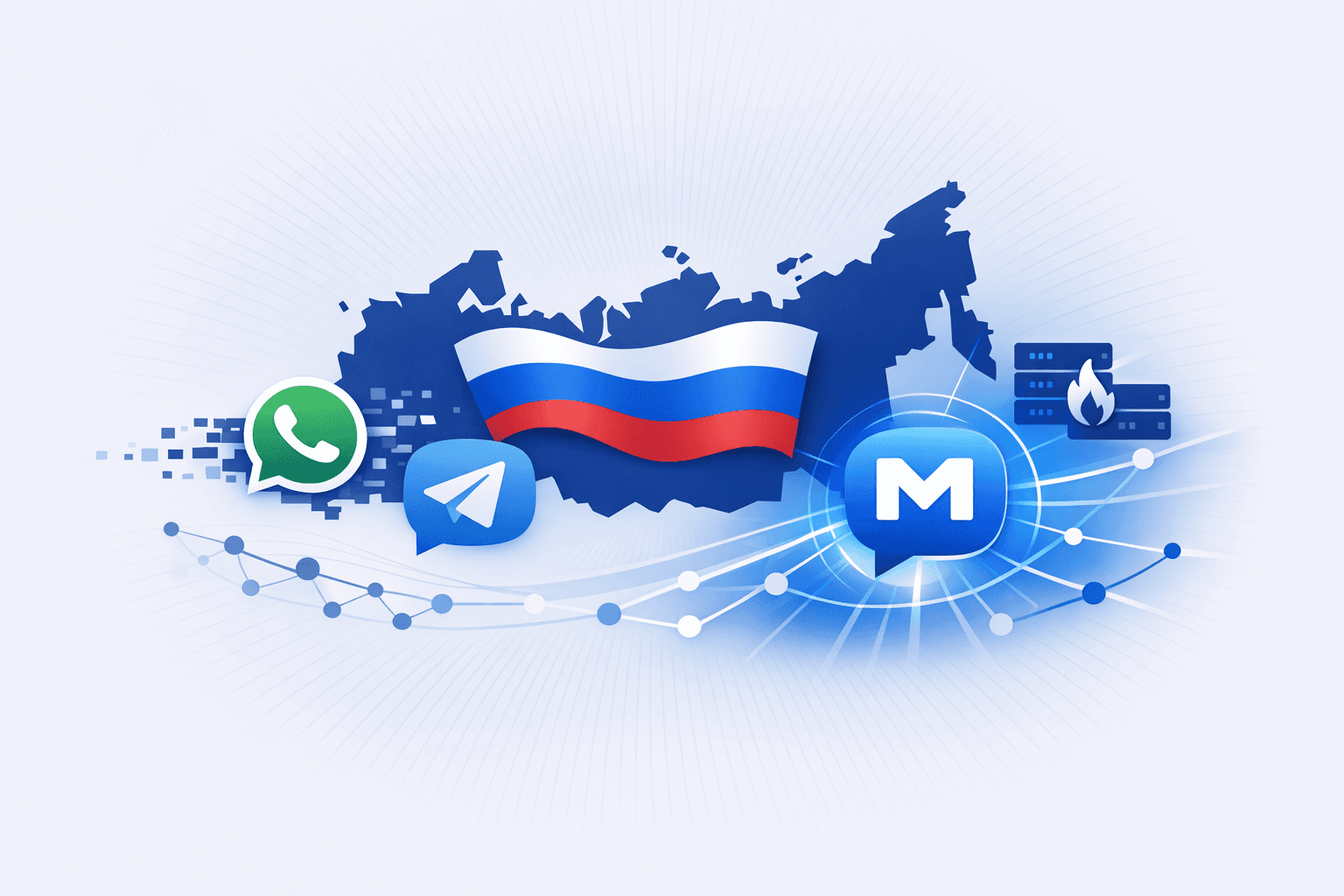
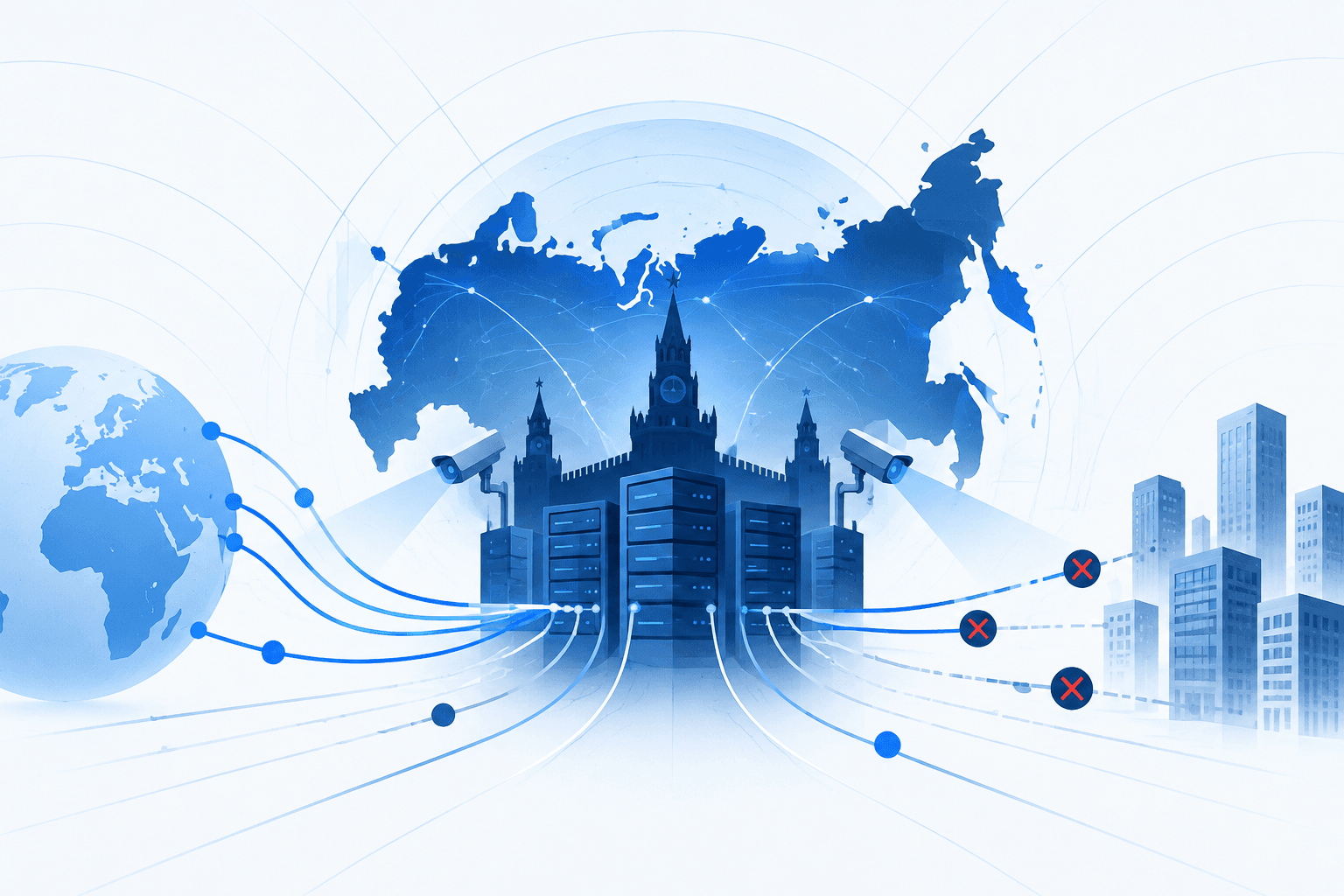
Russian authorities are restricting internet access in Moscow during ongoing mobile network disruptions by allowing connectivity only to a government-approved whitelist of domestic websites and services. Reporting indicates the system keeps selected Russian platforms—such as government sites, telecom services, marketplaces, and transport or delivery apps—available while broader internet access is blocked, reportedly using deep packet inspection (DPI) and infrastructure controls that require traffic to stay within Russia and prevent users from masking IP addresses. Officials have framed the outages and restrictions as protective measures against Ukrainian drone attacks, while similar controls are reportedly being prepared or used in other Russian cities including St. Petersburg.

The disruptions are also producing visible social and economic effects in Moscow, where residents and businesses are struggling with failed QR-code payments, degraded app-based services, and loss of normal mobile connectivity. One account describes a broader regression to offline workarounds, including increased demand for walkie-talkies, pagers, and paper maps, as GPS-dependent and internet-based services become unreliable. A separate report on Kazakhstan's proposed social media monitoring regime concerns a different country and policy process and does not describe the same Moscow outage and whitelist event.

Why it matters

Impact assessment

Russian residents, businesses, telecom users, and organizations operating in Moscow, St. Petersburg, and other Russian cities are affected by recurring mobile internet blackouts and a state-approved web whitelist model. The impact is operationally severe inside affected areas: payment failures, banking disruption, degraded logistics, broken app-based transport and delivery services, unreliable maps and GPS-dependent workflows, and reduced access to external communications platforms such as Telegram, WhatsApp, and VPNs.

The scope appears broad within Russia rather than narrowly targeted, with reports spanning central Moscow, St. Petersburg, and roughly 30 cities during related disruptions. There are confirmed real-world incidents of service disruption, including outages tied to Rostelecom emergency filtering during a DDoS event and repeated government-imposed connectivity restrictions justified as protection against Ukrainian drone attacks.

Supporting details

  • Affected populations:
    • Residents in central Moscow and other major Russian cities
    • Businesses dependent on QR-code payments, banking apps, logistics, taxis, delivery, and retail platforms
    • Telecom subscribers using mobile internet and home internet services
    • Users of Telegram, WhatsApp, VPNs, and foreign internet services
  • Operational and economic effects:
    • Failed QR-code payments and card-payment disruption
    • Inability to access banking apps, withdraw cash, or send money in some incidents
    • Disruption to taxis, courier services, car-sharing, delivery, maps, email, education, and communications
    • Reported impact on medical alerts for diabetic children
    • Estimated business losses of up to 5 billion rubles over five days; other reporting cites 1-5 billion rubles per day
  • Scope and exposure:
    • Intermittent mobile internet outages in Moscow since early March 2026
    • Similar restrictions reported or expected in St. Petersburg and other regions
    • Rostelecom-related disruption affected roughly 30 cities
  • Exploitation/incidents in the wild:
    • Large-scale DDoS attack against Rostelecom caused temporary service degradation
    • Government filtering and whitelist enforcement were reportedly active during outages
    • Some users reported only government-whitelisted sites remained reachable during disruptions
What this changes for youSee the reporting duties and controls this puts on the clock.
Get the context
Event timeline

How this story unfolded

Events from the most recent confirmed update back to the earliest known activity.

8 events · Mar 7, 2026 – Apr 20, 2026
  1. Apr 20, 20267mo ago

    Russia proposes sovereign AI rules requiring domestic training data

    Russia's Ministry for Digital Development reportedly proposed sovereign AI rules to be implemented by 2027 that would require chatbots to be developed and trained in Russia using only Russian datasets rather than broader internet sources. Business groups and firms including Yandex and Gigachat reportedly argued that domestic compute capacity and local training data are currently insufficient and that several years would be needed to build the necessary infrastructure.

    Russia demands a sovereign AI - Pivot to AI
  2. Apr 6, 20268mo ago

    DDoS attack on Rostelecom disrupts internet access across Russia

    A large-scale DDoS attack hit state-run telecom provider Rostelecom on Monday evening, causing temporary internet disruptions in roughly 30 Russian cities and affecting services including Steam, Gosuslugi, Rutube, and banking platforms. Rostelecom said the attack was quickly contained, though emergency filtering measures contributed to degraded access and some government sites remained affected into the next day.

    Cyberattack on telecom giant Rostelecom disrupts internet services across Russia | The Record from Recorded Future News
  3. Apr 4, 20268mo ago

    Internet controls reportedly expand from Moscow to other large Russian cities

    By early April, reports described mobile internet shutdowns and tighter controls on Telegram, WhatsApp, and VPN access not only in central Moscow but also in other major Russian cities. The expansion suggested the Kremlin's whitelist-style, state-controlled internet model was being rolled out more broadly across the country.

    As� es la 'c�rcel digital' de Putin: sin 3G en la calle ni chat en casa y con una app esp�a obligatoria en el m�vil | Internacional
  4. Mar 18, 20269mo ago

    St. Petersburg expected to face similar internet restrictions

    Reports indicated that similar connectivity disruptions were expected in St. Petersburg as Russian authorities expanded or prepared comparable controls beyond Moscow. This suggested the measures could spread to other major cities.

  5. Mar 18, 20269mo ago

    Residents shift to analog tools amid degraded connectivity

    With digital services impaired, Moscow residents reportedly increased their use of analog alternatives such as walkie-talkies, pagers, and paper maps. The disruptions also created pressure to move from Telegram and WhatsApp to the state-backed MAX app developed by VK.

  6. Mar 18, 20269mo ago

    Economic and civic disruption from outages becomes evident

    As the restrictions continued, businesses and public institutions in Moscow experienced significant disruption, including problems with payments, navigation, logistics, retail operations, and even government functions. Analysts estimated that five days of internet restrictions could cost Moscow businesses up to 5 billion rubles.

  7. Mar 18, 20269mo ago

    Whitelist-based internet controls are reportedly deployed in Moscow

    Russian authorities were reported to be introducing a mobile internet "whitelist" system in Moscow that permits access only to government-approved websites and services, apparently using deep packet inspection to block most other traffic. The move was described as part of a broader push toward a more isolated sovereign Runet.

  8. Mar 7, 20269mo ago

    Moscow begins sustained mobile internet disruptions

    A prolonged disruption of internet and mobile connectivity in Moscow began, with Russian authorities publicly presenting the restrictions as a response to Ukrainian drone threats. The outages affected everyday digital services across the city.

Do you run this?See what this changes for your reporting obligations and which controls it puts on the clock.
Get the Regulatory Context
Mallory platform

See the full picture, correlated to your attack surface.

This page covers what’s public. Mallory adds the parts that aren’t: which of your assets are affected, which threat actors are using it right now, and what to deploy next.

Exposure mappingMap indicators from this story to your assets and identify affected systems in minutes.
Threat actor evidenceEvery observed campaign, victim, and pivot linked to actors named in this story.
Associated malwareMalware, exploits, and IOCs connected to the activity described here.
Detection signaturesYARA, Sigma, and Snort rules deployed to your SIEM as soon as they’re published.
Scheduled alertsGet matching new stories delivered to your team as they break, not the next morning.
AI threadsAsk questions about this story and take action on the answers.