Microsoft Teams Social Engineering Abuses Quick Assist to Deploy A0Backdoor
Social Engineering & Fraud · 10 sources · Updated 5mo ago · First seen Mar 10, 2026
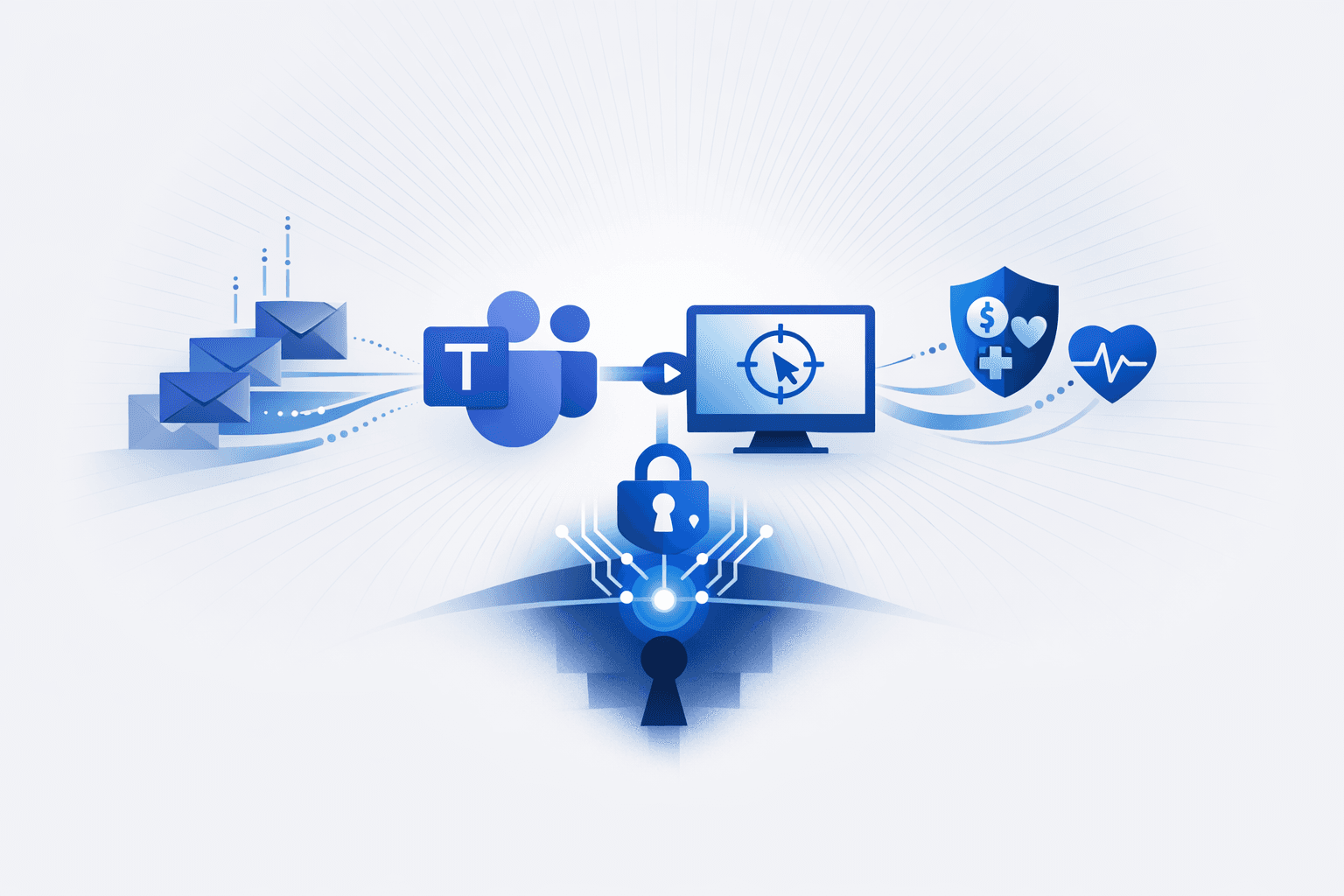
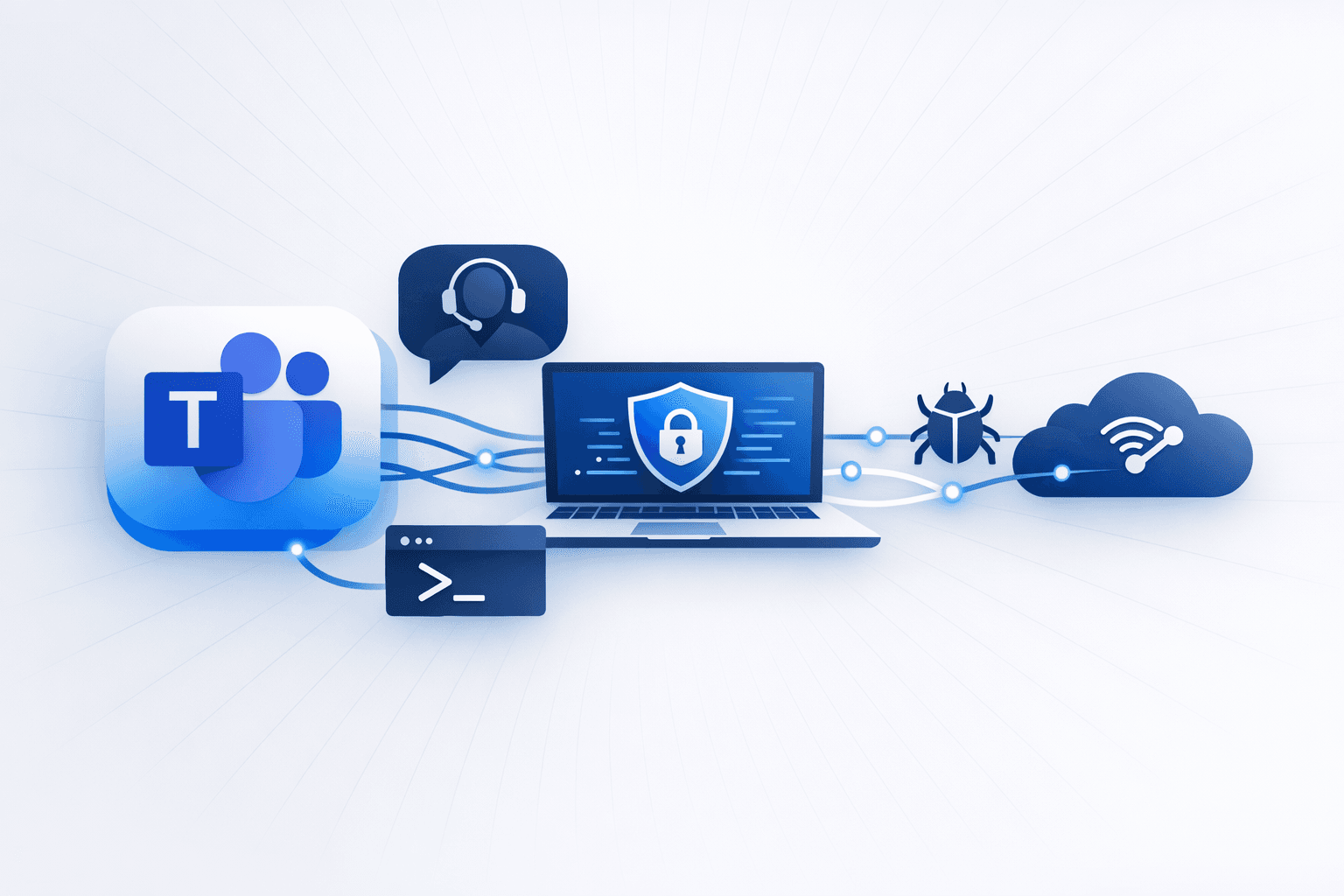
A social-engineering campaign targeting employees at financial and healthcare organizations is abusing Microsoft Teams chats/calls to trick users into granting remote access via Windows Quick Assist, enabling deployment of a newly identified malware family dubbed A0Backdoor. The activity begins with email bombing (flooding inboxes with spam) followed by an attacker impersonating internal IT over Teams, offering help and then persuading the victim to start a Quick Assist session; the tradecraft overlaps with tactics previously attributed to Blitz Brigantine / Storm-1811, which Microsoft has linked to Black Basta-associated operations.
Post-access, the actor deploys digitally signed MSI installers masquerading as Teams-related components and CrossDeviceService (associated with Windows Phone Link), sometimes delivered via tokenized links from Microsoft personal cloud storage to appear trustworthy and hinder collection. BlueVoyant reported the installers drop files into user AppData paths that mimic legitimate Microsoft locations and use DLL sideloading (e.g., a malicious hostfxr.dll) to execute an in-memory loader that decrypts shellcode, performs sandbox checks, and ultimately extracts and runs A0Backdoor (using AES-encrypted payloads and a SHA-256-derived key), with anti-analysis behavior including excessive thread creation intended to disrupt debugging.
Why it matters
Impact assessment
This activity affects organizations using Microsoft Teams and Windows Quick Assist, with observed targeting concentrated in financial and healthcare environments. The impact is high because the intrusion chain can deliver full interactive remote access, enable persistence, support lateral movement to domain controllers, and lead to targeted data theft; reporting also links the tradecraft to clusters associated with Black Basta operations.
Business impact
- Affected populations: enterprise users reachable through external Microsoft Teams chats or calls, especially employees likely to trust IT-support workflows.
- Affected sectors explicitly cited: financial services and healthcare.
- Affected products and services: Microsoft Teams, Windows Quick Assist, Windows endpoints, WinRM-enabled environments, and cloud-connected data repositories reachable by Rclone.
- Severity drivers:
- Full remote control can be obtained in under one minute after user approval.
- Follow-on activity includes reconnaissance, DLL sideloading, registry persistence, HTTPS or DNS-based C2, lateral movement, and data exfiltration.
- Trusted tools and signed binaries reduce user suspicion and complicate detection.
- Scope: targeted rather than indiscriminate, but broadly relevant to any enterprise permitting external Teams communication and remote-support tooling.
- Exploitation status: yes, multiple references describe active intrusions and in-the-wild abuse of Teams helpdesk impersonation and Quick Assist; BlueVoyant identified at least a Canadian financial institution and a global healthcare organization.
Extracted entities
- Malware: A0Backdoor
- Threat clusters: Blitz Brigantine, Storm-1811
- Associated ransomware ecosystems: Black Basta, Cactus
- Vendors/researchers: Microsoft Defender Security Research, BlueVoyant
- Exfiltration tool: Rclone