A0Backdoor Campaign Abuses Microsoft Teams and Quick Assist for Initial Access
Attack Tradecraft · 2 sources · Updated 5mo ago · First seen Mar 16, 2026

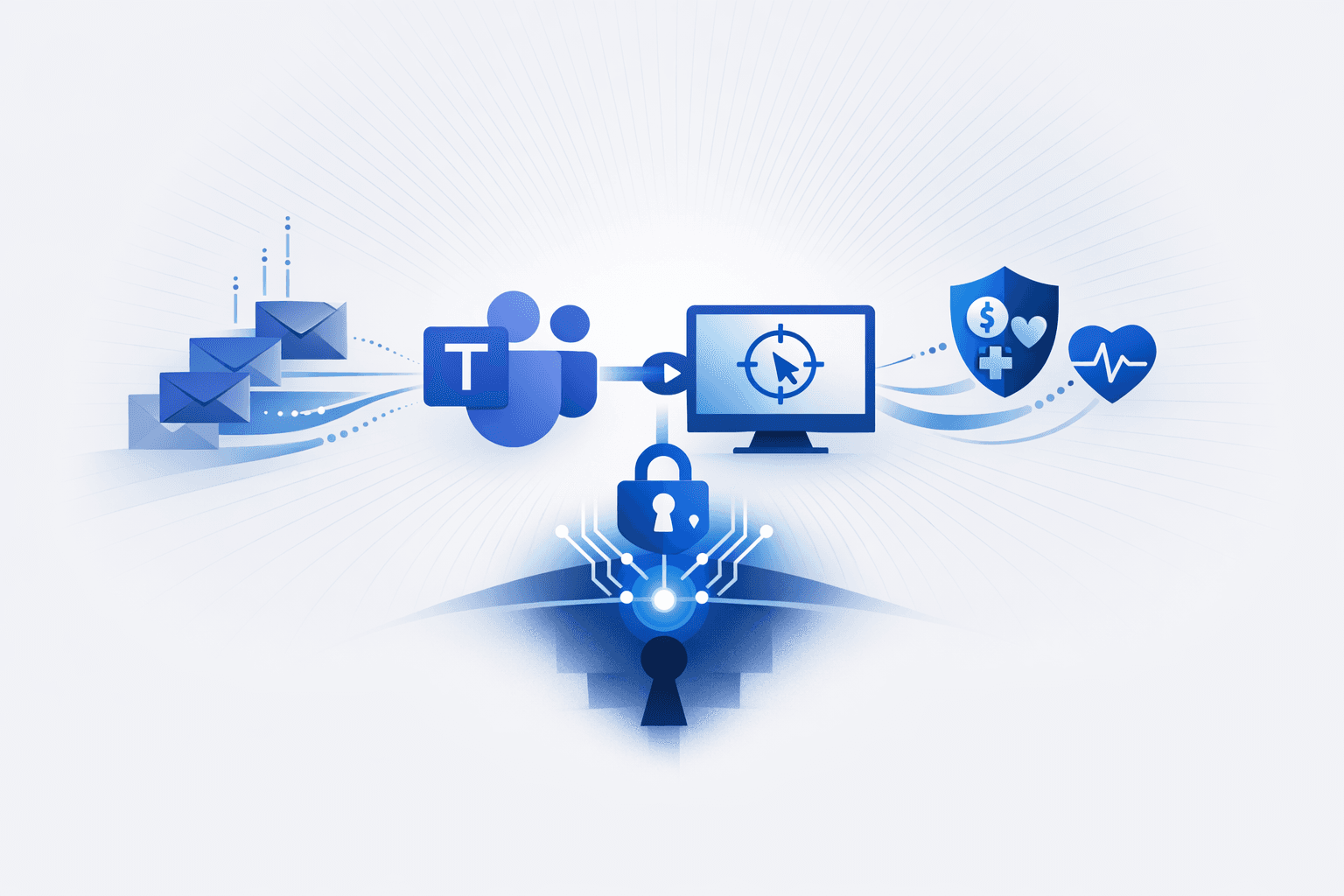
BlueVoyant researchers identified a social-engineering campaign in which operators linked to Blitz Brigantine / Storm-1811 / STAC5777, a cluster associated with the Black Basta ecosystem, impersonate IT support over Microsoft Teams after overwhelming targets with spam email. Victims are persuaded to launch Quick Assist, giving the attackers remote access that is then used to deploy A0Backdoor through digitally signed MSI packages masquerading as legitimate Microsoft software such as Microsoft Teams and CrossDeviceService. The activity has targeted organizations in sectors including finance and healthcare, and the use of multiple code-signing certificates suggests the operators prepared the toolchain well before the observed intrusions.
Once installed, A0Backdoor fingerprints the host and communicates with operators using DNS tunneling over public resolvers, helping the malware blend into normal traffic while maintaining persistence and command-and-control. The reporting is substantive threat intelligence rather than promotional or advisory content, and the only other mention of the same event is a newsletter item that cites the A0Backdoor research as one entry among many malware stories. Other references in the set cover unrelated vulnerabilities, policy developments, AI security issues, phishing, ransomware trends, and separate malware campaigns, and do not describe this specific Teams-and-Quick-Assist intrusion chain.
Why it matters
Impact assessment
This campaign affects enterprises that allow external Microsoft Teams contact and Windows Quick Assist, with observed targeting in finance and healthcare. The impact is high because the intrusion chain delivers persistent backdoor access through trusted remote-support workflows and signed MSI packages, creating a credible path to broader compromise and potential ransomware follow-on activity tied to the Black Basta ecosystem.
Observed activity appears targeted rather than indiscriminate, but the techniques abuse common enterprise tools and could scale across many organizations with weak remote-support controls. BlueVoyant linked at least two incidents to this activity, indicating real-world exploitation from at least August 2025 through late February 2026.
Supporting facts
- Threat cluster: Blitz Brigantine / Storm-1811 / STAC5777.
- Ecosystem linkage: associated with Black Basta.
- Targeted sectors: finance and healthcare.
- Victim examples: a Canada-based financial institution and a global health organization.
- Initial access method: spam-email flooding followed by fake IT support outreach over Microsoft Teams.
- User action abused: victims are persuaded to launch Quick Assist and grant remote access.
- Post-access outcome: attackers deploy tools, establish persistence, and install A0Backdoor.
- Scope: targeted social-engineering intrusions using legitimate Microsoft collaboration and support tools.
- In-the-wild activity: yes, at least two investigated incidents were reported.
- Business risks: unauthorized remote access, persistent compromise, operational disruption, data exposure, and elevated ransomware risk due to Black Basta ecosystem ties.