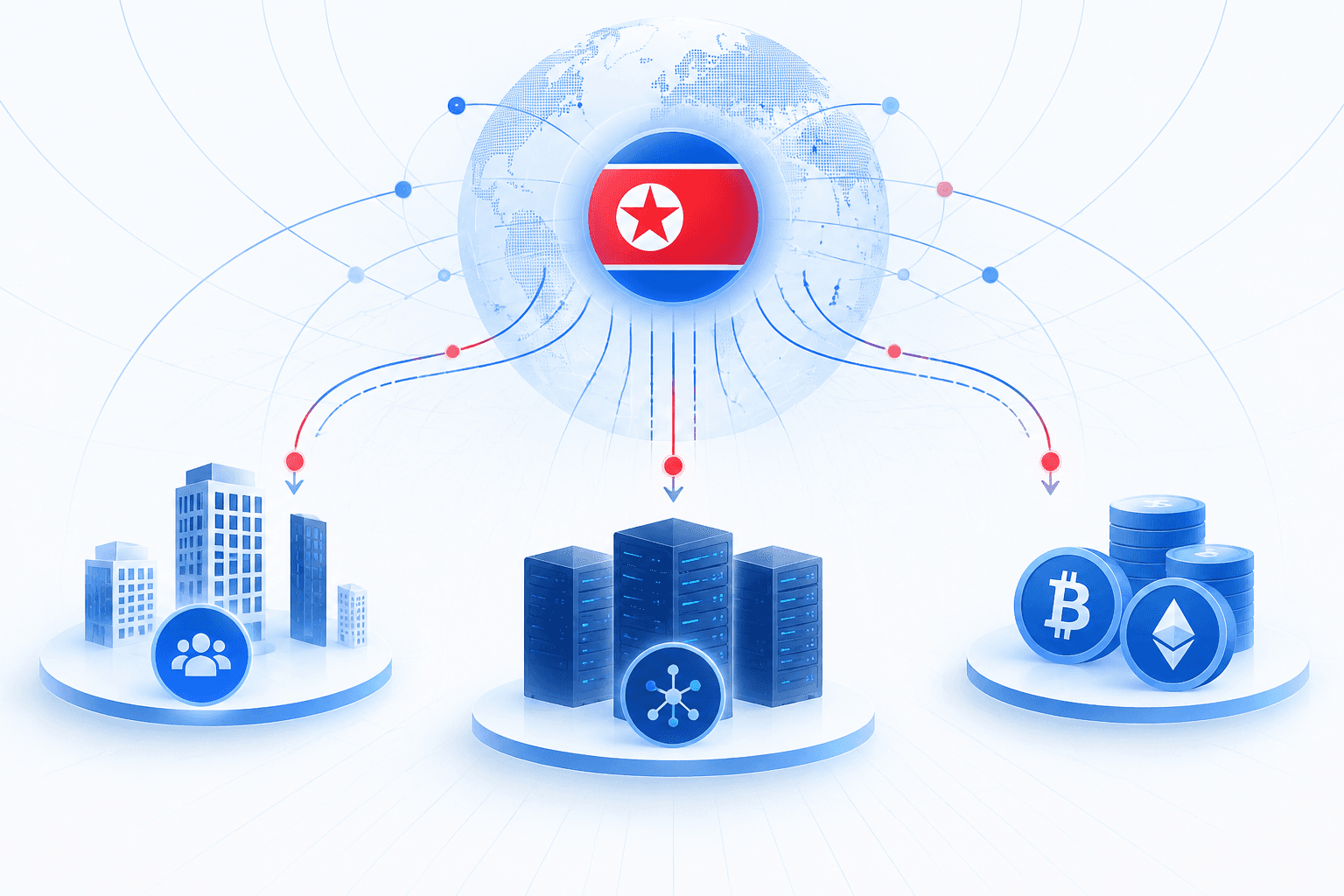
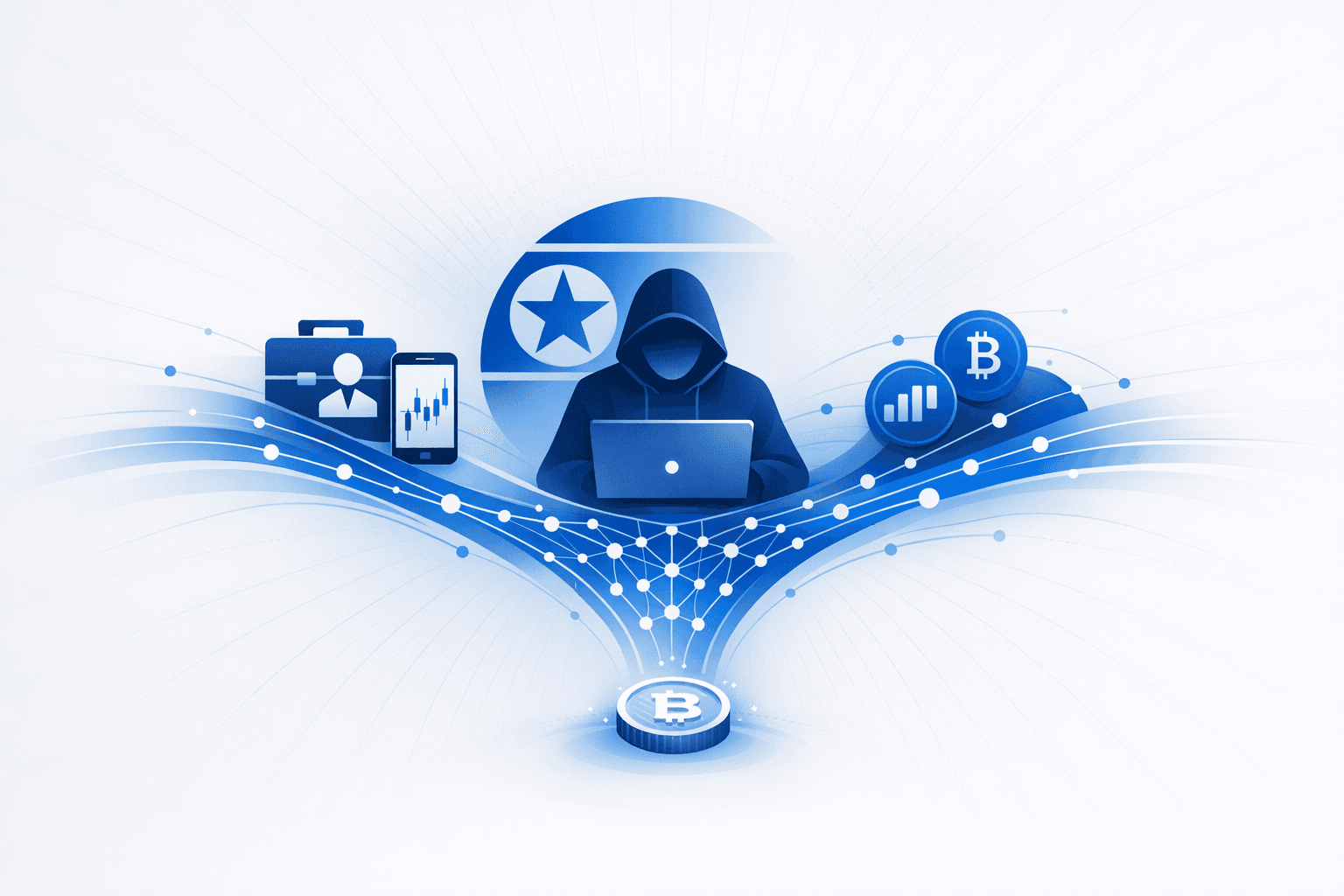
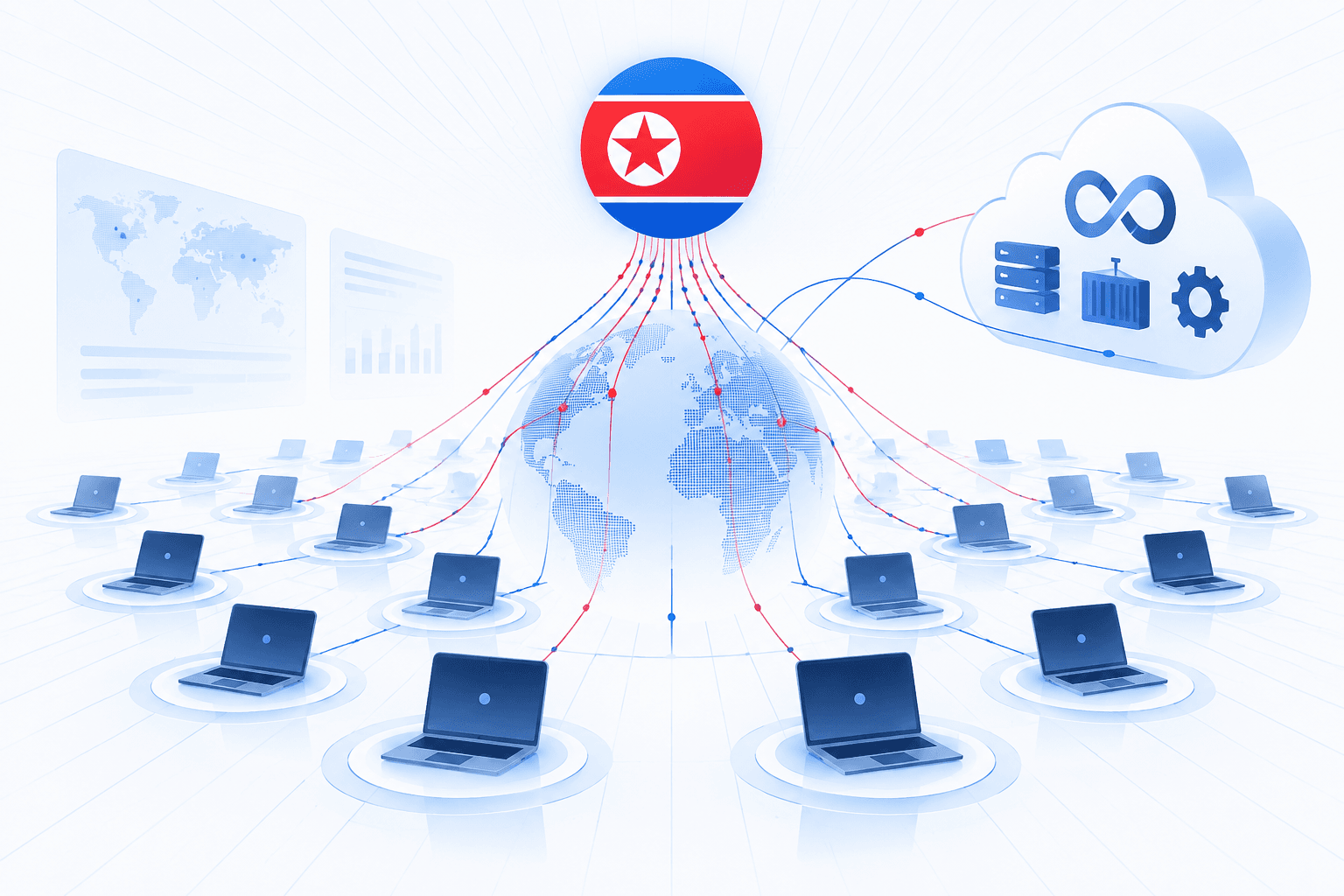
North Korean Threat Actors Use AI-Enabled IT Worker Scams and Target Crypto Firms
Emerging Technology Risk · 2 sources · Updated 5mo ago · First seen Mar 6, 2026
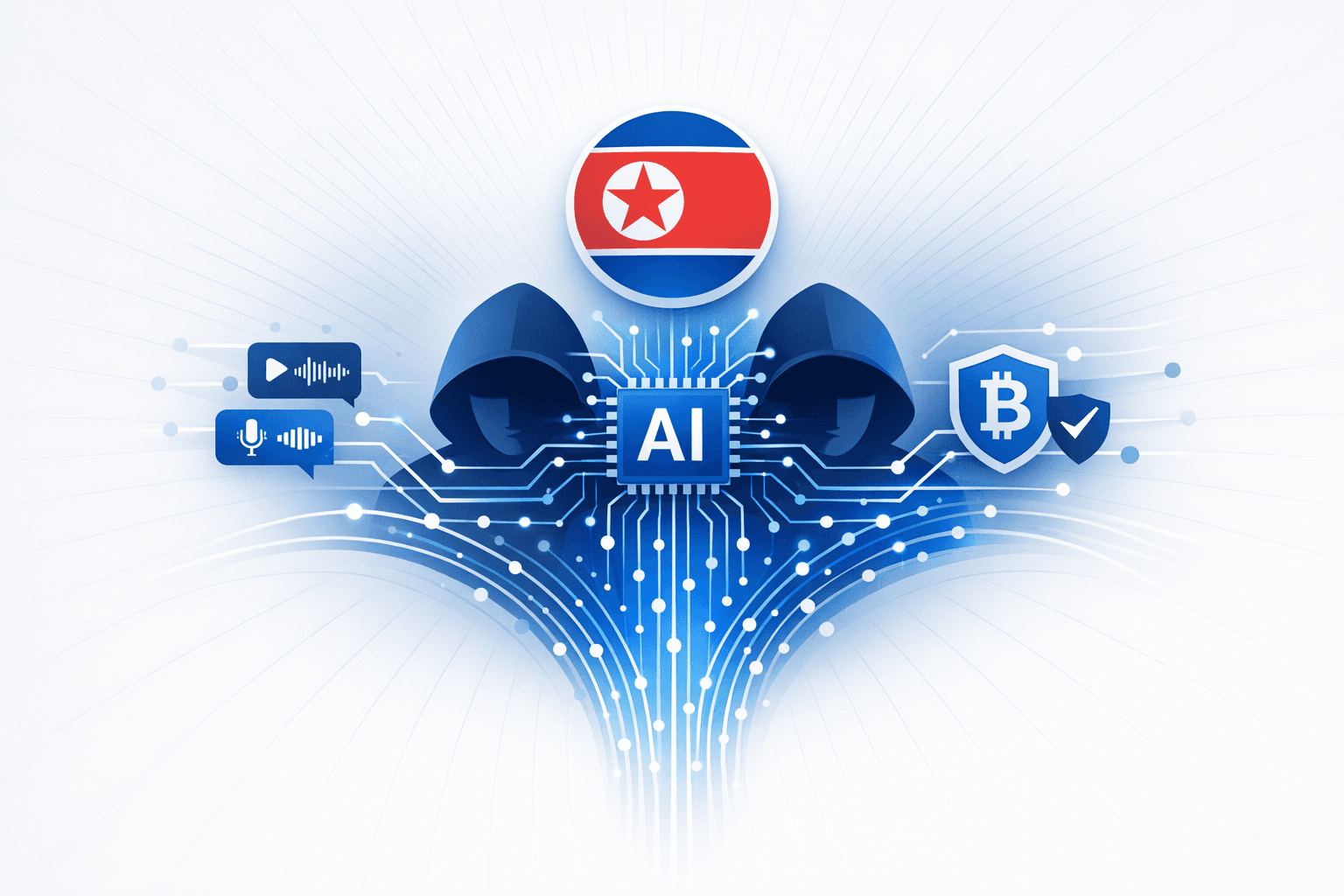
Microsoft-linked reporting says North Korean threat actors are using AI to scale and refine long-running “fake IT worker” schemes, where operatives pose as legitimate remote hires to obtain authorized access inside victim organizations. The activity is attributed to DPRK-linked clusters Jasper Sleet and Coral Sleet, with AI used to improve identity fabrication and maintenance (including face/voice manipulation) and to sustain day-to-day communications that help keep fraudulent personas credible, enabling “sustained, large-scale misuse of legitimate access.”
Separately, reporting on suspected DPRK-linked intrusions describes a coordinated campaign against cryptocurrency organizations spanning staking platforms, exchange software providers, and exchanges, with theft of source code, private keys, and cloud secrets. Investigators described two primary access paths: exploitation of CVE-2025-55182 in the React2Shell framework (including mass scanning and WAF-bypass techniques) and the use of pre-obtained valid AWS access tokens to move directly into cloud enumeration; researchers also recovered artifacts from attacker infrastructure (e.g., shell history, archived code, and tool configurations) that provided visibility into post-compromise activity and C2 setup.
Why it matters
Impact assessment
This activity affects two distinct exposure areas: organizations hiring remote IT talent and cryptocurrency-sector firms operating staking platforms, exchange software, exchanges, and associated AWS/Kubernetes environments. The most severe impact is unauthorized but legitimate-seeming internal access through fake workers, plus direct theft of source code, private keys, and cloud secrets from crypto firms.
The scope is mixed: the fake IT worker scheme is broad and scalable across industries, while the intrusion campaign appears targeted at cryptocurrency organizations and their supply chain. Reporting indicates active operations and post-compromise theft, with exploitation paths including CVE-2025-55182 and stolen AWS access tokens.
Supporting details
- Affected entities:
- Remote-hiring organizations, especially those onboarding distributed IT staff
- Cryptocurrency organizations
- Staking platforms
- Exchange software providers
- Cryptocurrency exchanges
- ChainUp customers, based on reporting that a customer environment was compromised rather than ChainUp itself
- Threat actors/entities:
- Jasper Sleet
- Coral Sleet
- DPRK-linked operators / suspected North Korean state-sponsored ecosystem
- Microsoft Threat Intelligence
- Ctrl-Alt-Intel researchers
- Business impact:
- Sustained misuse of legitimate employee access
- Insider-style access to Western organizations
- Theft of proprietary source code
- Theft of private keys and cloud secrets
- Exposure of hardcoded database credentials and wallet keys
- Potential financial theft from crypto assets and follow-on compromise of cloud infrastructure
- Reputational and operational damage from fraudulent hiring and cloud compromise
- Scope/exploitation status:
- Fake IT worker activity is long-running and being scaled with AI
- Crypto intrusions involved coordinated targeting across multiple layers of the crypto supply chain
- Researchers observed evidence of active compromise artifacts in exposed attacker directories
- Reported exploitation included mass scanning, WAF bypass, and use of valid AWS tokens