AI Security Governance and Emerging AI-Enabled Threats in Enterprise Environments
Emerging Technology Risk · 10 sources · Updated 5mo ago · First seen Mar 4, 2026
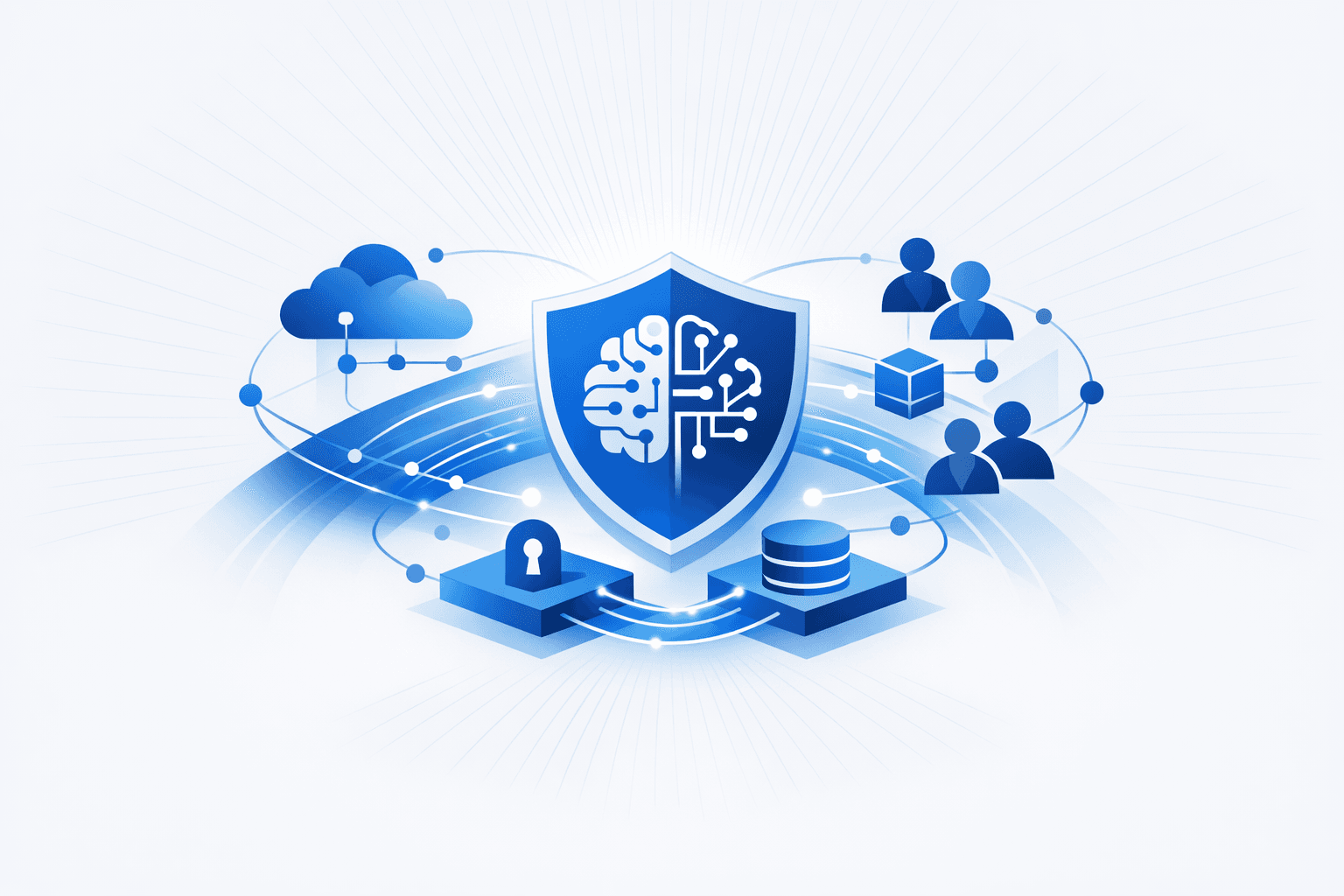
Security and media reporting highlighted growing enterprise exposure created by AI agents and the expanding ecosystem around the Model Context Protocol (MCP). AWS detailed new IAM governance controls for AWS-managed remote MCP servers, introducing standardized context keys aws:ViaAWSMCPService and aws:CalledViaAWSMCP to differentiate agent-initiated API calls from human activity and enable tighter policy enforcement, with additional network perimeter controls (VPC endpoint support) planned. Separately, AI governance startup JetStream announced a $34M seed round to provide visibility and control over AI behavior in production, explicitly targeting MCP server/key sprawl and cost/accountability concerns; multiple commentaries also warned that AI-driven development and “AI ultimatums” can increase IP theft and governance risk if organizations lack clear controls and monitoring.
Threat-focused coverage underscored that AI is also accelerating offensive capability and complicating defense. CSO Online reported AI-powered attack kits moving into open source (including tooling referenced as CyberStrikeAI), lowering barriers for cybercrime and enabling faster iteration of malicious tradecraft. In parallel, FBI messaging emphasized that Salt Typhoon activity remains ongoing following prior compromises of sensitive US telecom infrastructure, reinforcing the need for stronger government–telecom partnerships and improved readiness against Chinese cyber operations (including the FBI’s Operation Winter SHIELD focus on preparedness and faster intel sharing). Additional technical threat-hunting research described operationalizing Cobalt Strike C2 feeds via API automation for SIEM/EDR use, noting continued rapid infrastructure rotation and increased association with state-backed espionage and advanced ransomware operations, while a Dark Reading podcast recapped Interpol-supported law-enforcement disruption of an African cybercrime syndicate (hundreds of arrests and multiple malware decryptions).
Why it matters
Impact assessment
Enterprise organizations adopting AI agents, MCP-integrated workflows, and cloud-hosted AI tooling are exposed to a growing governance and abuse surface, while telecom and other critical infrastructure operators remain under pressure from persistent nation-state activity. The impact is primarily operational and strategic: unauthorized AI actions, data leakage, key sprawl, policy bypass, and reduced visibility can create material IP loss, compliance exposure, and cloud cost abuse; separately, continued Salt Typhoon activity underscores high-consequence espionage risk for telecom environments.
Affected populations and sectors
- Enterprises deploying AI agents in development, cloud operations, or SaaS workflows
- AWS customers using AWS-managed remote MCP servers, especially AWS, EKS, ECS, and SageMaker MCP integrations
- Regulated industries called out by AWS, including financial services and healthcare
- Organizations with fragmented AI governance, shadow MCP servers, or unmanaged API keys
- Telecom providers and operators of sensitive communications infrastructure exposed to Chinese cyber operations
- Security teams relying on static IOC blocking for C2 detection, particularly against rapidly rotating Cobalt Strike infrastructure
Severity and business consequences
- AI governance failures can lead to IP theft, unauthorized data access, destructive or high-risk tool invocation, and financial abuse through leaked keys or uncontrolled model/tool usage
- MCP server sprawl and weak authorization can create supply-chain and insider abuse paths, especially where developers deploy local or unvetted MCP servers
- Continued Salt Typhoon activity indicates ongoing espionage risk against strategically important infrastructure, with potential national-security, regulatory, and reputational consequences
- Rapidly rotating Cobalt Strike infrastructure increases detection difficulty and can enable post-exploitation, ransomware staging, and espionage persistence if defenders rely on stale indicators
Scope and exploitation status
- Exposure is broad for enterprises experimenting with AI agents and MCP-based integrations; this is not limited to a single vendor or CVE
- The story does not provide confirmed enterprise incidents tied to AWS MCP governance gaps, but it does describe concrete exposure patterns and control gaps that warrant proactive review
- Salt Typhoon activity is described as ongoing following prior compromises of U.S. telecom lawful intercept infrastructure, indicating known real-world exploitation by a nation-state actor
- Cobalt Strike remains actively used across state-backed espionage and advanced ransomware operations, with infrastructure rotation observed at scale