DPRK Remote IT Worker Scheme Uses Impersonated Real LinkedIn Accounts to Infiltrate Employers
Threat Actor Intelligence · 2 sources · Updated 5mo ago · First seen Feb 10, 2026

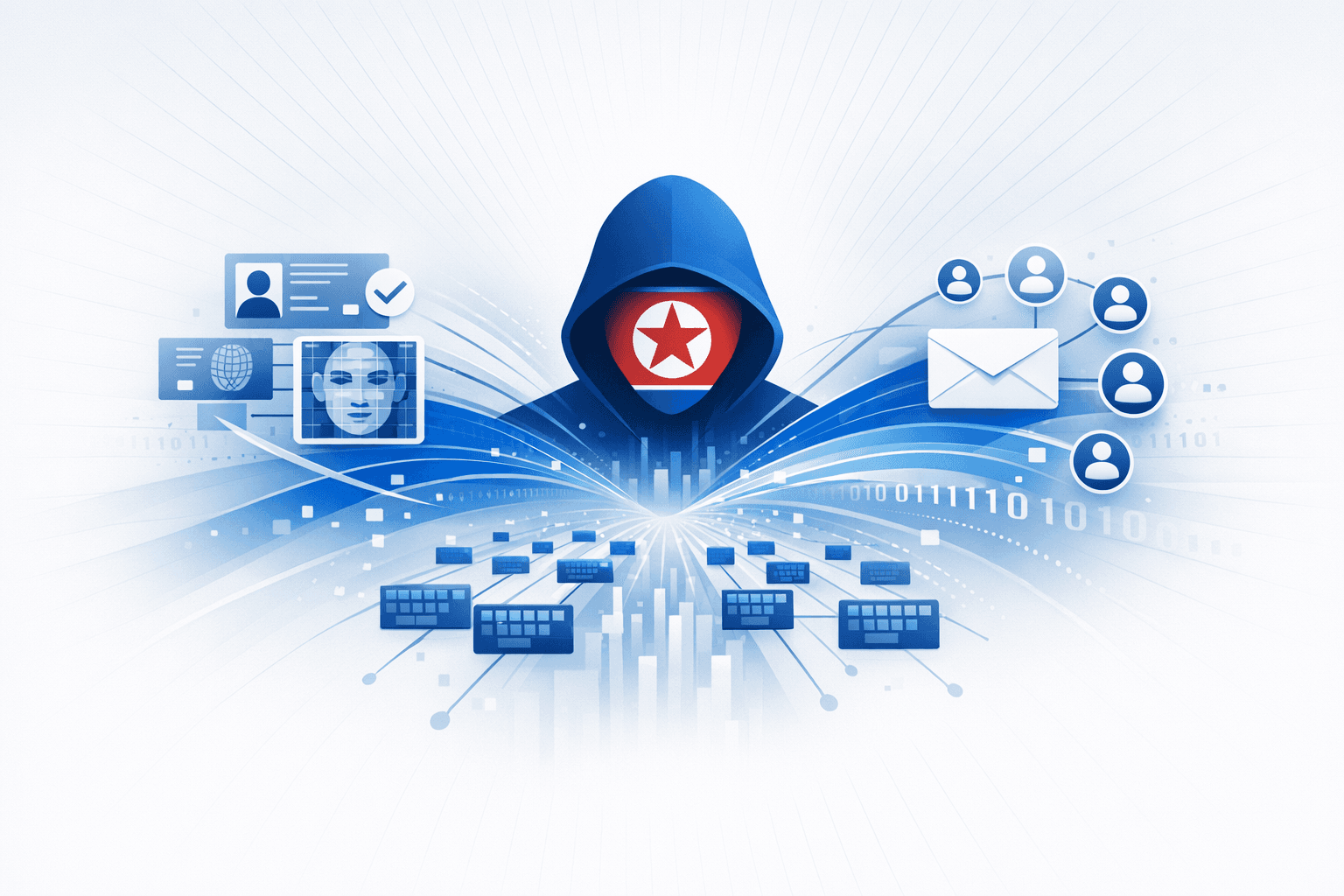
North Korean (DPRK) operatives running the long-standing “remote IT worker” scheme have escalated their tradecraft by applying for remote roles using real LinkedIn accounts of legitimate professionals they are impersonating, rather than relying primarily on fully synthetic personas. Reporting attributes the finding to analysis shared by Security Alliance (SEAL), noting that the hijacked/impersonated profiles can appear highly credible—sometimes featuring verified workplace emails and identity badges—making initial recruiter screening and identity verification more difficult.
The operation’s objectives remain consistent: generate revenue for the regime (including via salary payments later moved through cryptocurrency laundering techniques such as chain-hopping/token swapping and use of DEXs/bridges) while also enabling access to sensitive corporate environments for espionage, persistence, and potential follow-on extortion. The activity is described as high-volume and is tracked under multiple names in the security community (including Jasper Sleet, PurpleDelta, and Wagemole), with prior research noting that once placed, these operators can obtain administrative access to codebases and blend in using living-off-the-land techniques within enterprise infrastructure.
Why it matters
Impact assessment
DPRK remote IT worker activity affects organizations hiring for remote technical roles, especially technology firms and enterprises that grant developers, contractors, or IT staff access to source code, cloud platforms, CI/CD systems, and internal collaboration tools. The impact is high because successful placement can produce direct financial loss through salary fraud and create a trusted insider foothold for espionage, persistence, credential theft, code tampering, and potential extortion.
This is a broad, high-volume exposure rather than a narrowly targeted campaign. Reporting cites known cases affecting Norwegian businesses and describes active use of real LinkedIn identities, verified workplace emails, and identity badges to bypass recruiter screening, indicating ongoing real-world exploitation of hiring workflows.
Supporting facts
- Threat activity is attributed to DPRK-linked operators tracked as Jasper Sleet, PurpleDelta, and Wagemole.
- Primary objectives are regime revenue generation, espionage, and in some cases extortion to prevent data leaks.
- Affected populations include recruiters, HR teams, hiring managers, and security teams supporting remote onboarding.
- High-risk environments include companies hiring remote software engineers, developers, DevOps staff, and IT administrators.
- Silent Push described the program as a high-volume revenue engine.
- Norwegian Police Security Service reported several cases in the past year involving Norwegian businesses hiring likely DPRK remote workers.
- Once hired, operators may gain administrative access to sensitive codebases and blend into enterprise environments using living-off-the-land methods.
- Parallel recruiting-themed activity such as Contagious Interview expands risk beyond employers to job seekers and employees interacting with fake hiring workflows.