Phishing Campaigns Abuse Trusted Platforms and Legitimate Workflows to Evade Detection
Social Engineering & Fraud · 4 sources · Updated 5mo ago · First seen Feb 10, 2026

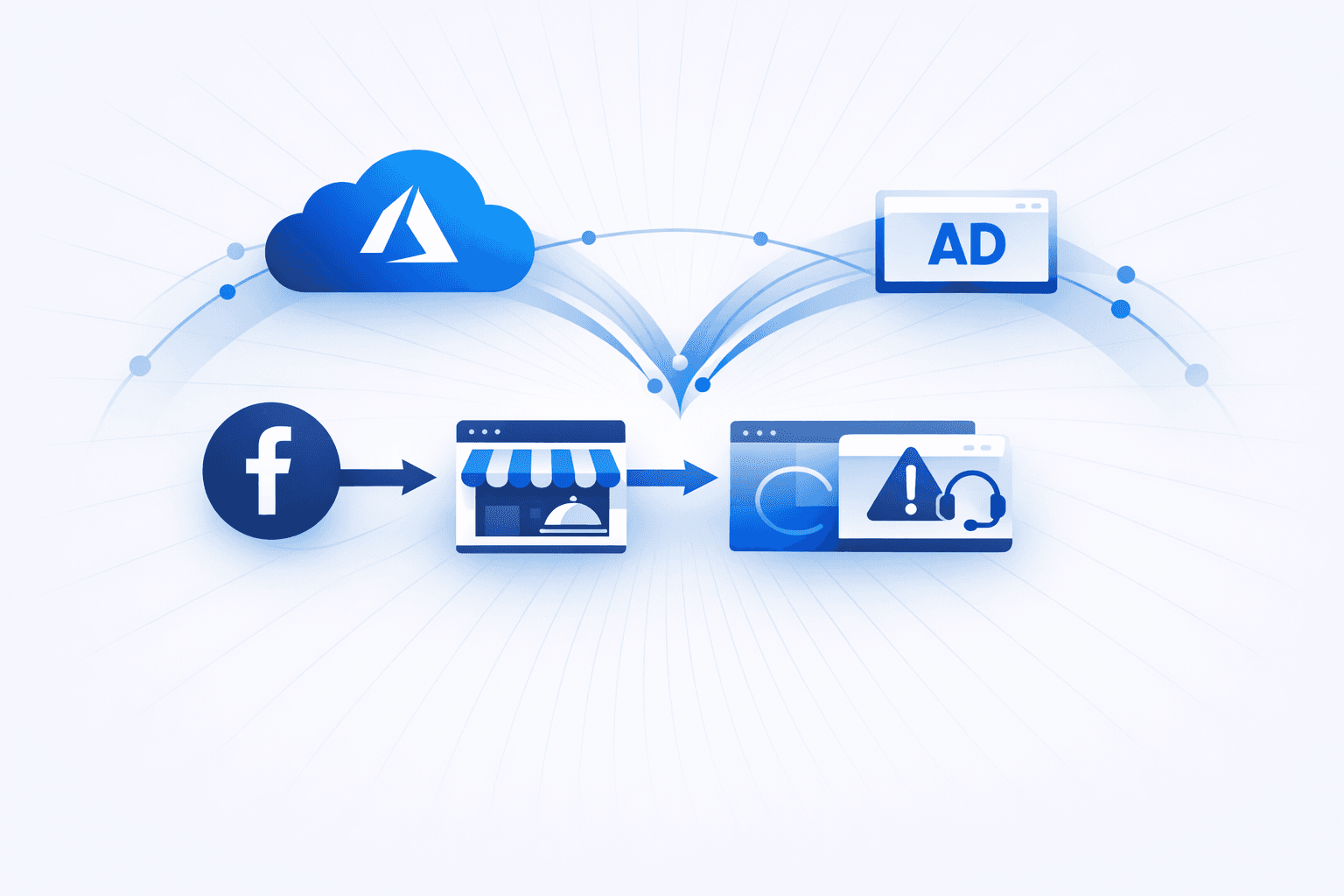
Multiple campaigns are abusing legitimate cloud and platform workflows to make phishing and fraud harder to detect. Attackers are generating real Apple and PayPal invoice/dispute emails and embedding scam phone numbers in user-controlled fields (e.g., “seller notes”), resulting in messages that carry valid DKIM signatures and originate from high-reputation domains; this “DKIM replay” style abuse bypasses many email controls because authentication validates the sender domain, not the safety of the embedded content. In parallel, threat actors are leveraging free Google Firebase developer accounts to host brand-mimicking phishing pages on trusted firebaseapp.com / web.app subdomains, increasing delivery and click-through rates by exploiting domain reputation and common allowlisting of Google infrastructure.
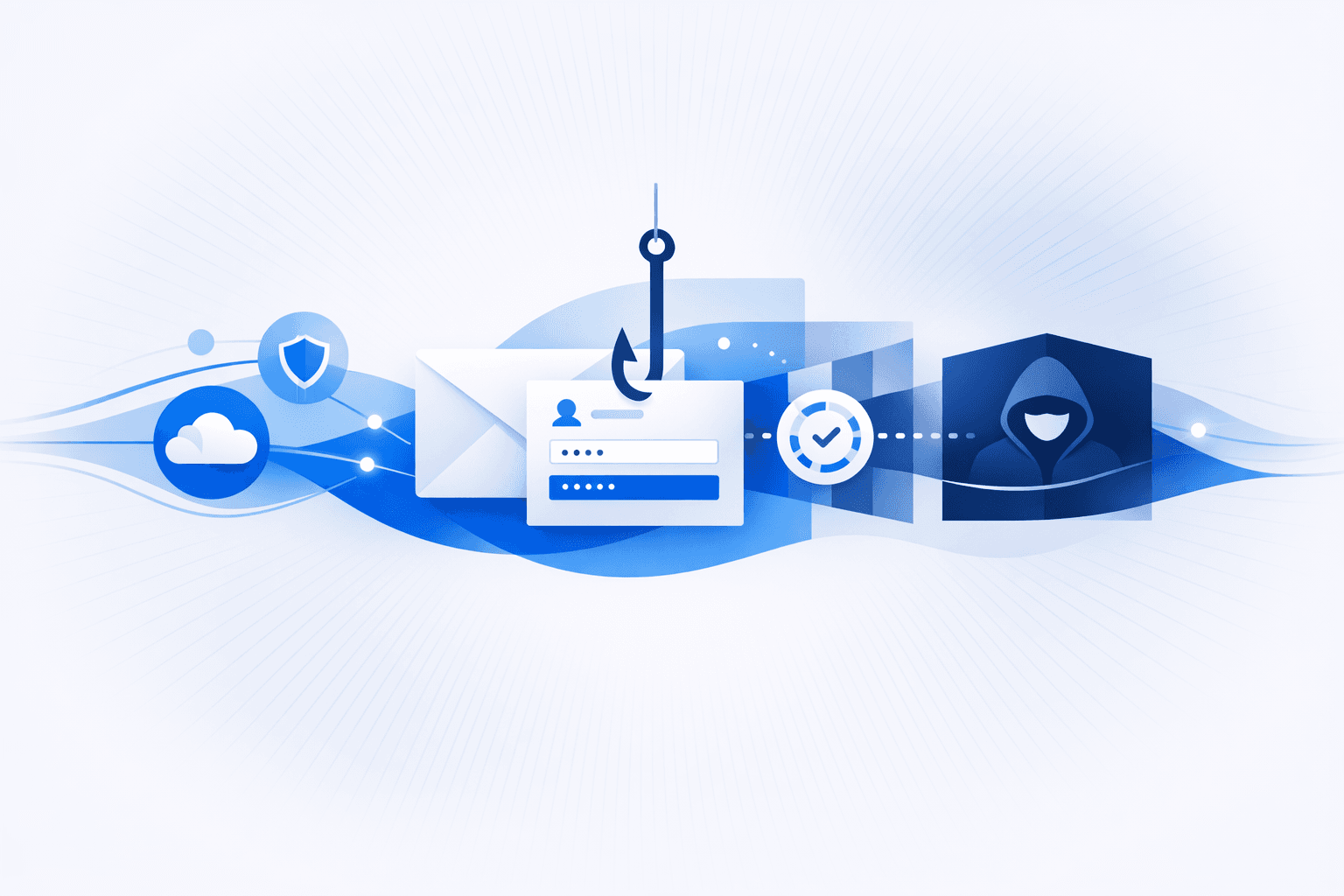
A separate but related social-engineering technique targets Telegram users by manipulating Telegram’s official authentication workflows to obtain fully authorized sessions rather than simply stealing passwords. Victims are lured to Telegram-lookalike pages (often on ephemeral domains) that prompt QR scanning or phone-number entry; user interaction triggers a real login attempt initiated by the attacker, and once the victim approves the authorization prompt on their device, the attacker gains persistent account access and can pivot to follow-on attacks via the victim’s contacts. These incidents collectively highlight a shift toward “living off trusted services,” where adversaries avoid compromising vendors and instead weaponize legitimate features, trusted domains, and sanctioned authentication flows to reduce detection and increase victim compliance.
Why it matters
Impact assessment
These campaigns affect organizations and users that rely on trusted platforms and consumer messaging services, especially enterprises with broad email exposure, finance workflows, and employees using Telegram for business or personal communications. The impact ranges from financial fraud and credential theft to full Telegram account takeover, follow-on social engineering against victim contacts, and reduced effectiveness of standard email and domain-reputation defenses.
The scope is broad rather than narrowly targeted because the abuse leverages widely trusted infrastructure including Apple, PayPal, Google Firebase, and Telegram. There are reported incidents of active exploitation in the wild across multiple campaigns, with analysts describing reusable infrastructure, rapid domain rotation, and mass-deployment capability.
Supporting facts
- Affected entities and platforms:
- Apple invoicing and dispute-notification workflows
- PayPal invoicing and dispute-notification workflows
- Google Firebase hosting on
firebaseapp.comandweb.app - Telegram authentication and device-authorization workflows
- Affected populations:
- End users receiving invoice, dispute, fraud-alert, or giveaway lures
- Enterprises whose email controls rely heavily on DKIM/DMARC and domain reputation
- Organizations with users who access Telegram from managed or unmanaged devices
- Business impact:
- Financial fraud via scam support numbers embedded in legitimate vendor-generated emails
- Credential theft from phishing pages hosted on trusted Google infrastructure
- Persistent Telegram session hijacking after victim approval of legitimate in-app prompts
- Secondary compromise risk through victim-contact targeting and message monitoring
- Reputational and operational risk from trusted-service abuse bypassing existing controls
- Scope and activity:
- CYFIRMA reported a centralized, reusable Telegram phishing framework with multilingual support including Simplified Chinese
- Unit 42 observed a surge in phishing campaigns abusing Firebase in early February 2026
- Kaseya analysts reported abuse of legitimate Apple and PayPal workflows to send high-reputation phishing emails
- Attackers use rapid domain rotation and campaign restart patterns, indicating sustained operations rather than isolated attempts