Interlock Ransomware Uses BYOVD Anti-Cheat Driver Flaw to Disable EDR
Threat Actor Intelligence · 3 sources · Updated 5mo ago · First seen Feb 4, 2026
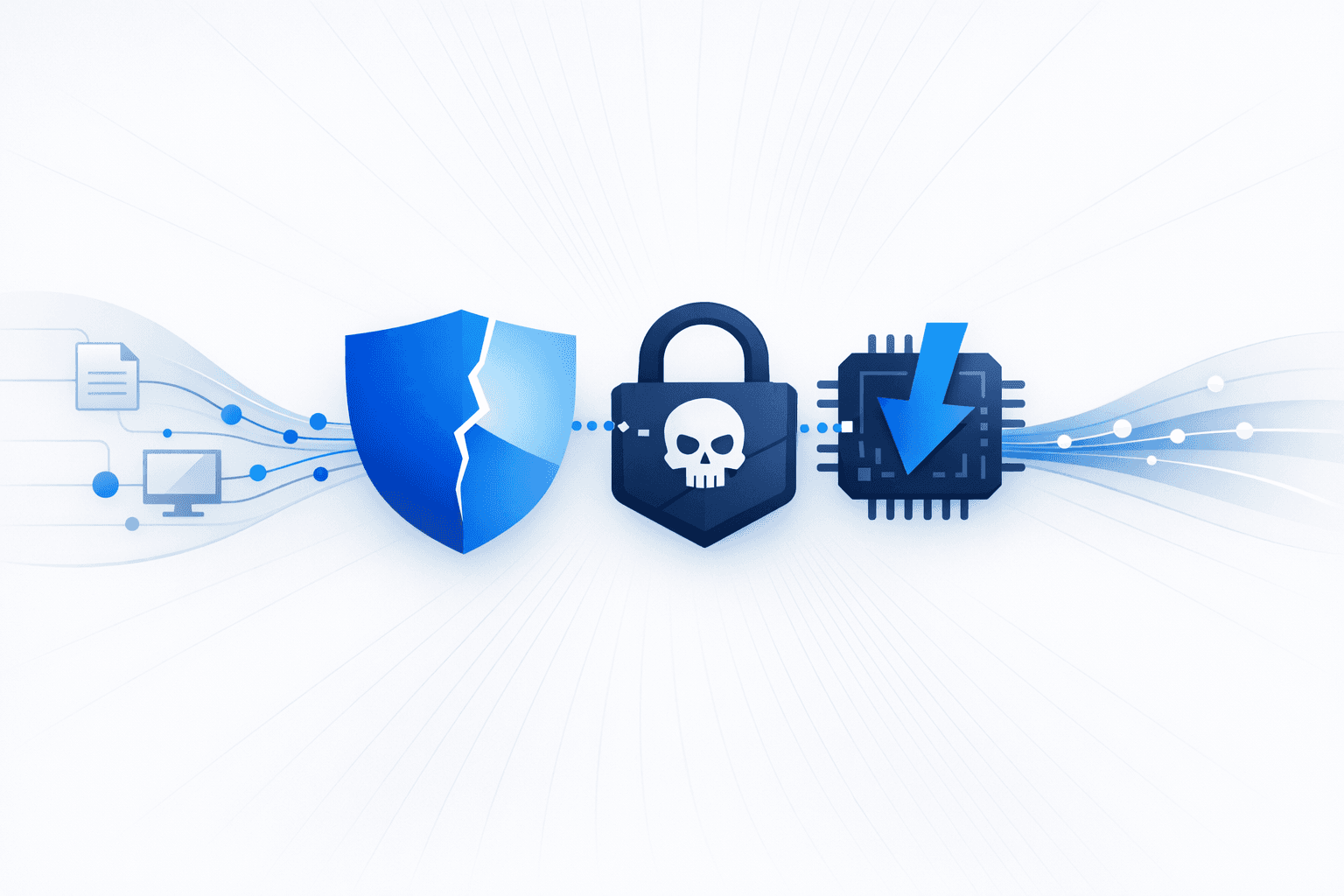
Fortinet/FortiGuard Labs reported that the Interlock ransomware group—described as a smaller, non-RaaS operation—ran a months-long intrusion campaign primarily targeting the education sector in the US and UK. Initial access was observed via MintLoader, including “ClickFix” social-engineering lures, followed by post-compromise activity using a JavaScript implant referred to as NodeSnakeRAT, lateral movement with valid accounts and living-off-the-land techniques, and broad discovery prior to impact. The operation follows a double-extortion pattern, with data exfiltration (including use of AZcopy) preceding ransomware deployment, and has been observed impacting both Windows endpoints and Nutanix hypervisor environments.
A key technical finding is Interlock’s use of a Bring Your Own Vulnerable Driver (BYOVD) technique to neutralize endpoint defenses. Researchers identified a custom tool dubbed “Hotta Killer” (associated with polers.dll) that drops a kernel driver UpdateCheckerX64.sys, described as a renamed vulnerable anti-cheat driver (GameDriverx64.sys, CVE-2025-61155). Because the driver is legitimate and digitally signed, it can pass initial trust checks; once loaded, it is abused for kernel-level process termination to kill EDR/AV processes, with reporting noting targeting of Fortinet security tooling specifically, enabling subsequent ransomware execution with reduced detection and response capability.
Why it matters
Impact assessment
Interlock is conducting targeted ransomware intrusions primarily against education organizations in the U.S. and UK, with impact spanning Windows endpoints and Nutanix hypervisor environments. The operational risk is high because the group combines long dwell time, data theft, defense evasion, and encryption, creating both business disruption and extortion pressure.
Supporting details:
- Affected sectors: education organizations, especially in the United States and United Kingdom.
- Affected platforms: Windows endpoints and Nutanix hypervisors/servers.
- Impact types: data exfiltration, ransomware encryption, security-tool disablement, and likely follow-on recovery complexity.
- Extortion model: double extortion was reported in multiple references, with data theft preceding encryption.
- Severity drivers:
- Kernel-level termination of EDR/AV processes reduces visibility and containment capability.
- Hypervisor targeting raises the risk of multi-system outages and broader infrastructure disruption.
- Long dwell time increases the chance of widespread credential abuse and lateral movement before detection.
- Scope: targeted rather than indiscriminate, but the techniques are transferable to other sectors using similar endpoint defenses and administrative patterns.
- Known in-the-wild activity: yes. Fortinet/FortiGuard reported a months-long real-world intrusion campaign lasting nearly seven months.
- Reported incident specifics:
- Initial access began on March 31, 2025 in one observed case.
- Data theft escalated in September 2025.
- Encryption was launched on October 10, 2025.
- More than 250 GB of data was reportedly exfiltrated in one incident.
- Roughly 5,000 rogue domain user accounts were created after encryption began in one case.
Structured facts extracted
- Threat actor: Interlock ransomware group.
- Operator model: smaller dedicated team; not typical RaaS.
- Victim geography: U.S. and UK.
- Victim vertical: education.
- Security vendors referenced: Fortinet, FortiGuard Labs.
- Utilities and malware: MintLoader, NodeSnakeRAT/NodeSnake, AZcopy, Hotta Killer, polers.dll, UpdateCheckerX64.sys, GameDriverx64.sys, jar.jar.
- Notable behavior: EDR/AV process killing, data exfiltration, ransomware deployment, rogue account creation.