SMS-Based Authentication and Phishing Risks via Intercepted or Mass-Sent Text Links
Social Engineering & Fraud · 2 sources · Updated 5mo ago · First seen Jan 22, 2026
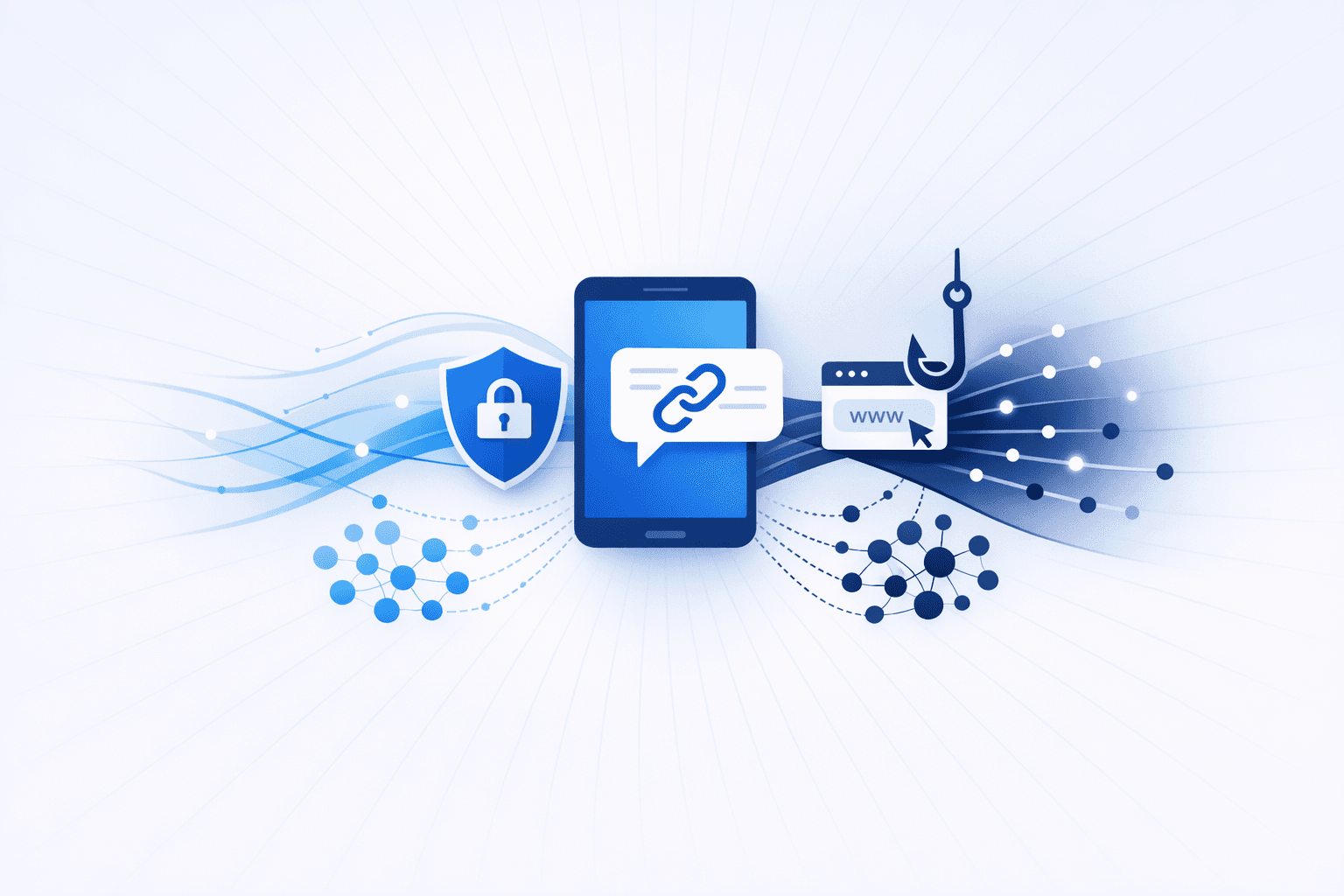
Recent research highlighted systemic security and privacy risks created by sign-in/authentication links delivered over SMS, showing how easily such links and embedded personal data can be exposed and abused at scale. By observing public SMS gateway services (temporary numbers used to receive texts), researchers collected 332,000 unique SMS-delivered URLs extracted from 33 million texts sent to 30,000+ phone numbers, and reported that messages from 701 endpoints on behalf of 177 services exposed critical PII. The work underscores that SMS is unencrypted and that authentication links and sensitive details can persist in accessible stores or be captured through weakly protected SMS delivery ecosystems.
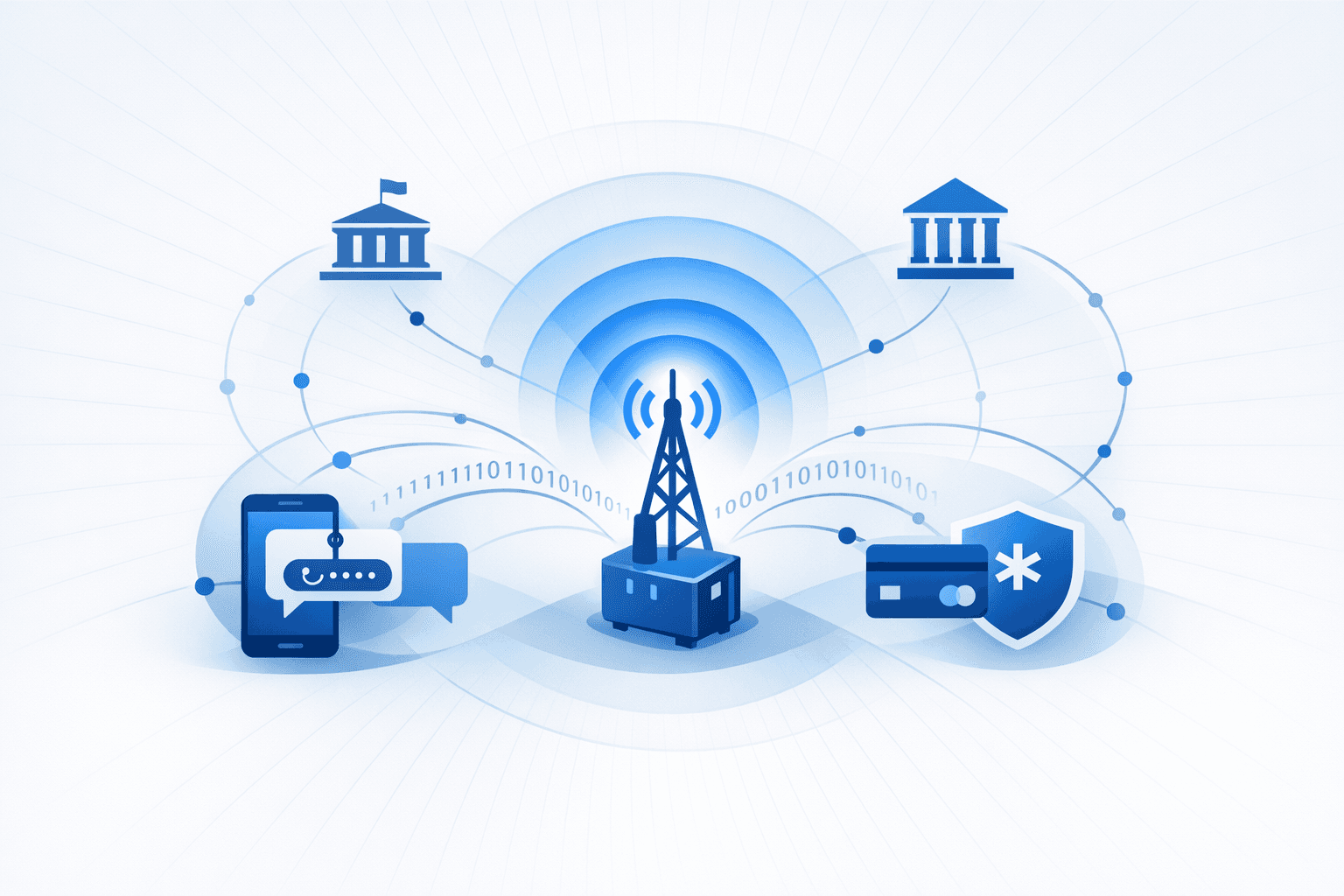
Greek police separately dismantled a criminal operation in the Athens area that used a rogue mobile base station (an “SMS blaster”) concealed in a car to push phishing texts to nearby phones. Authorities said the device coerced phones to connect and downgraded them from 4G to 2G, enabling collection of identifiers (e.g., phone numbers) and delivery of scam messages impersonating banks and courier firms with phishing links used to steal payment card data and conduct unauthorized transactions; investigators have tied the group to at least three fraud cases and indicated the suspects may be Chinese nationals. Together, the reporting and research illustrate how SMS-delivered links can be exploited both through passive exposure of messages/URLs and through active, proximity-based telecom impersonation to distribute credential- and payment-theft lures.
Why it matters
Impact assessment
SMS-delivered authentication and sign-in links create broad exposure for any organization that uses text messages for login, verification, or account recovery, especially consumer-facing services handling financial or identity data. The impact can include account takeover, disclosure of highly sensitive PII, payment-card fraud, and downstream reputational damage because the weakness is systemic to SMS delivery and tokenized-link workflows rather than isolated to one vendor.
The exposure appears widespread, not narrowly targeted. Researchers observed 332,000 unique SMS-delivered URLs from 33 million texts sent to more than 30,000 phone numbers and found 701 endpoints across 177 services exposing critical PII; separate law-enforcement reporting confirms active criminal exploitation through rogue base stations used to mass-send phishing links and steal card data.
Supporting facts
- Affected populations: users receiving SMS authentication, verification, or sign-in links.
- Affected sectors likely include banking, e-commerce, logistics/courier, and other consumer services using SMS-based workflows.
- Exposed data types reported in SMS-linked flows: Social Security numbers, dates of birth, bank account numbers, and credit scores.
- Researchers stated anyone obtaining certain tokenized verification links could access user personal information from affected services.
- Greek police linked an SMS blaster operation to at least three fraud cases involving phishing texts and unauthorized transactions.
- Scope indicators:
- 33 million texts analyzed
- 30,000+ phone numbers observed
- 332,000 unique URLs extracted
- 701 endpoints
- 177 services
- Known exploitation in the wild: yes, via rogue mobile base station phishing operations in Greece; similar cases were cited in Thailand, Indonesia, Qatar, and the United Kingdom.