Fake CAPTCHA SMS Fraud and SMS Blaster Smishing Target Mobile Users
Social Engineering & Fraud · 6 sources · Updated 5mo ago · First seen Apr 24, 2026

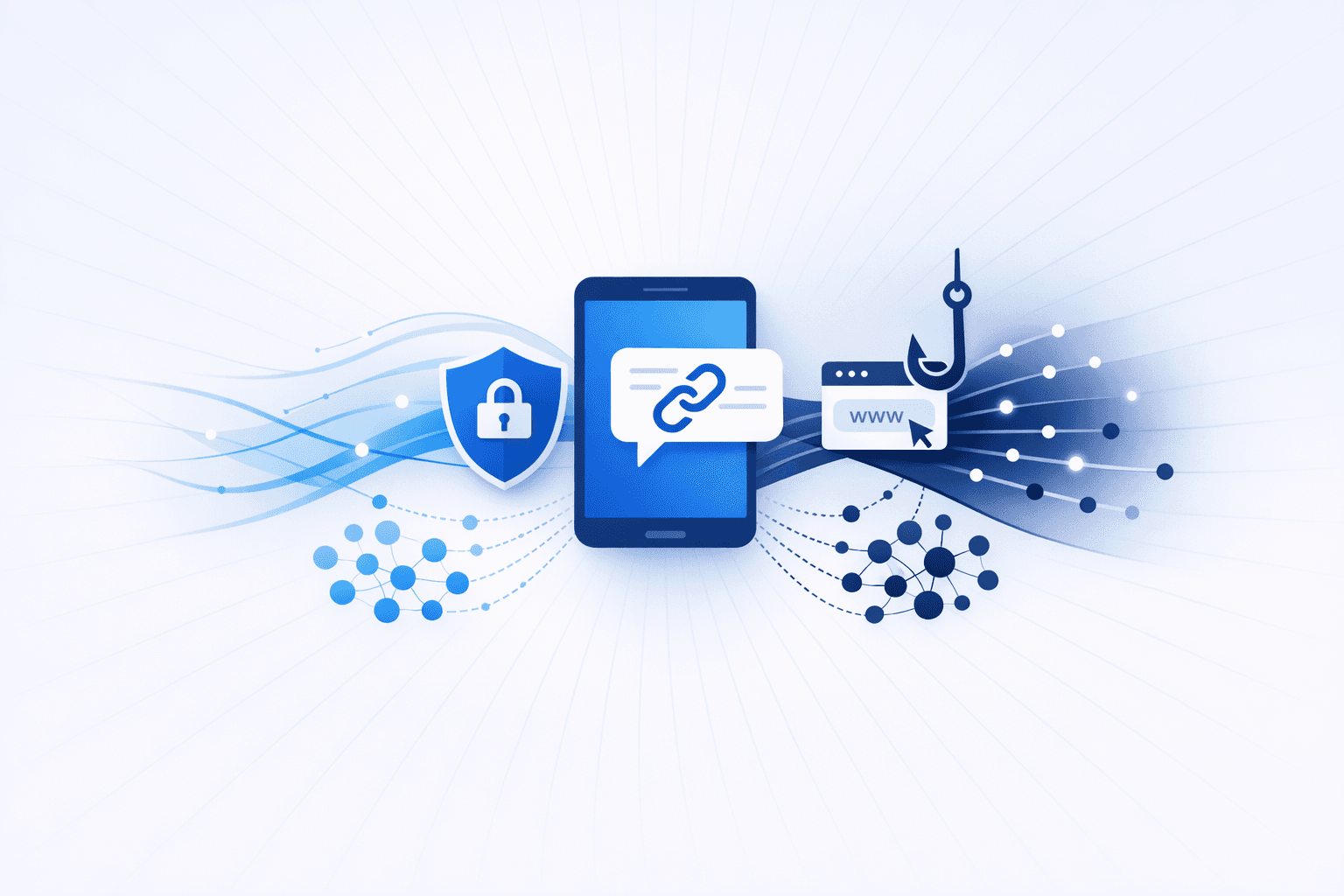
Infoblox researchers reported a long-running International Revenue Share Fraud (IRSF) campaign that uses fake CAPTCHA pages to trick mobile users into sending premium-rate international text messages. Victims are funneled through typosquatted telecom-themed domains, ad-network redirects, and Traffic Distribution System (TDS) infrastructure to scam landing pages that present bogus verification steps. Those prompts trigger JavaScript that opens the phone’s SMS app with pre-filled messages and dozens of international numbers, and a single four-step interaction can generate about 60 SMS messages to more than 50 destinations, costing roughly $30 or more per session. Researchers said the operation has been active since at least 2020, uses high-fee destinations including Azerbaijan, Egypt, and Myanmar, and has been linked to an affiliate of a European Click2SMS network using infrastructure hosted on AS15699, Adam Ecotech.
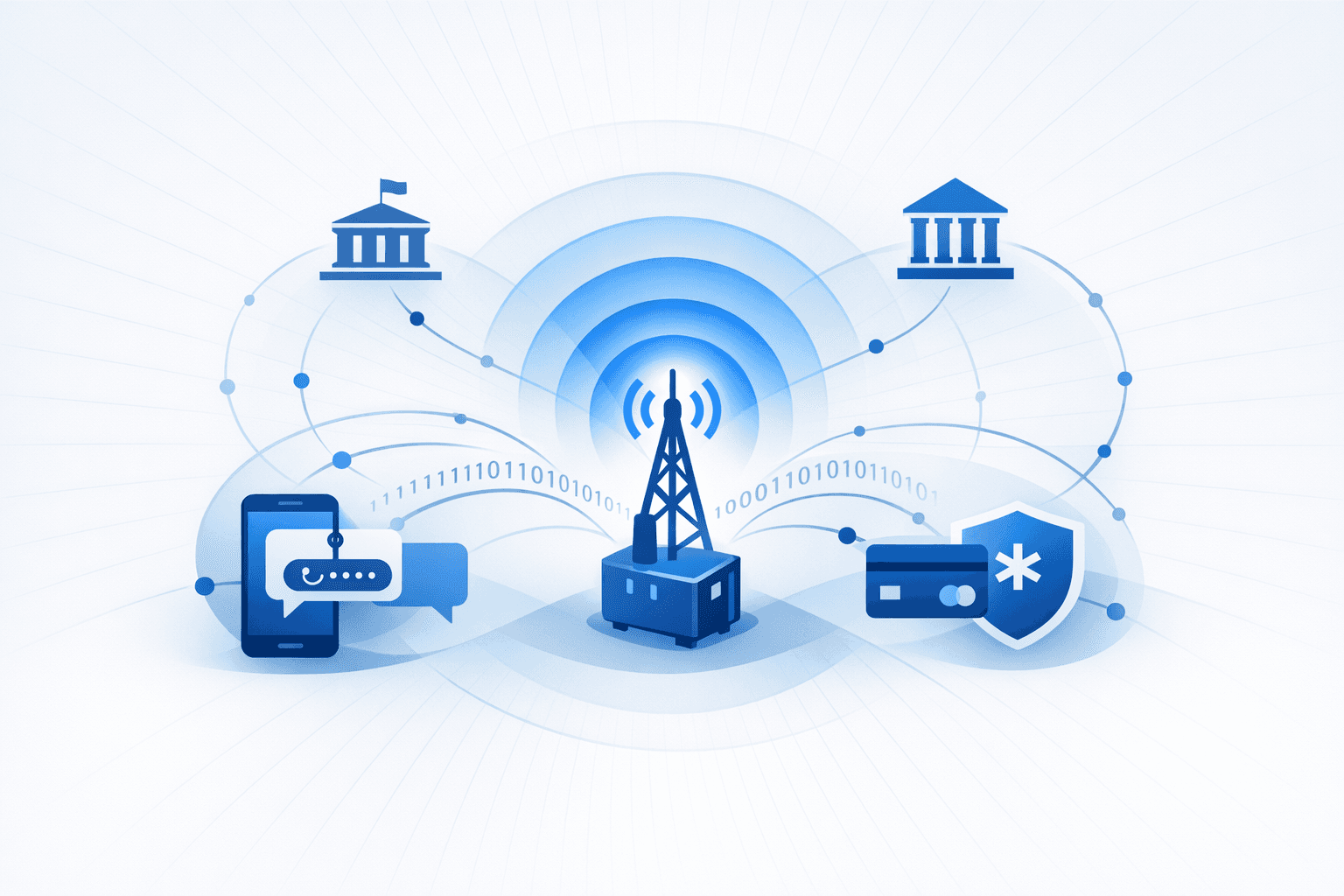
Separately, Toronto police arrested three men in what authorities described as Canada’s first criminal case involving a mobile SMS blaster, a rogue device that impersonates a cellular tower to push phishing texts and disrupt legitimate service. Investigators said the devices were tracked across the Greater Toronto Area after one was detected in downtown Toronto, and police seized multiple SMS blasters and related equipment. Authorities believe tens of thousands of phones connected to the rogue system, contributing to more than 13 million network disruptions that may have interfered with normal mobile access and even emergency services such as 911. The cases highlight how attackers are abusing both web lures and fake base-station hardware to scale smishing and mobile billing fraud.
Why it matters
Impact assessment
This story covers two mobile-centric threats with direct user and telecom impact: fake CAPTCHA-driven International Revenue Share Fraud (IRSF) and rogue-cell-tower SMS blaster smishing. Affected populations include everyday mobile users on Android and iOS, telecom carriers, and organizations whose customers or employees may receive fraudulent SMS messages that appear legitimate.
The IRSF activity is financially harmful at scale rather than technically destructive, with a single victim session generating about 60 SMS messages to more than 50 destinations and roughly $30 or more in charges. The SMS blaster activity adds operational risk because authorities linked it to more than 13 million network disruptions and possible interference with legitimate mobile access, including 911, indicating real-world service disruption beyond phishing exposure.
Supporting details
- Affected users:
- Mobile subscribers using web browsers on Android and iOS devices
- Telecom carriers exposed to fraudulent revenue-sharing losses, disputes, and chargebacks
- Enterprises whose staff may be targeted by smishing or incur fraudulent mobile charges on corporate plans
- Severity:
- IRSF causes direct billing fraud without malware installation or device compromise
- SMS blasters enable mass smishing and temporary denial of legitimate cellular service
- Potential impacts include financial loss, credential theft, reputational harm, and emergency-service access disruption
- Scope:
- IRSF campaign has reportedly been active since at least June 2020
- Researchers observed 35 phone numbers across 17 countries and broad redirect infrastructure via TDS, ad networks, and typosquatted telecom domains
- Toronto police said tens of thousands of phones connected to the rogue SMS blaster system
- Exploitation status:
- Yes, both threats were observed in the wild
- IRSF campaign is long-running and operational
- SMS blaster activity resulted in arrests and equipment seizures in Canada
- Named entities:
- Infoblox
- Malwarebytes analyst Pieter Arntz
- Researchers David Brunsdon and Darby Wise
- Toronto Police Service
- Click2SMS affiliate network
- Adam Ecotech / AS15699