AI-Enabled Cybercrime and Deepfake-Driven Social Engineering at Scale
Emerging Technology Risk · 2 sources · Updated 5mo ago · First seen Jan 22, 2026
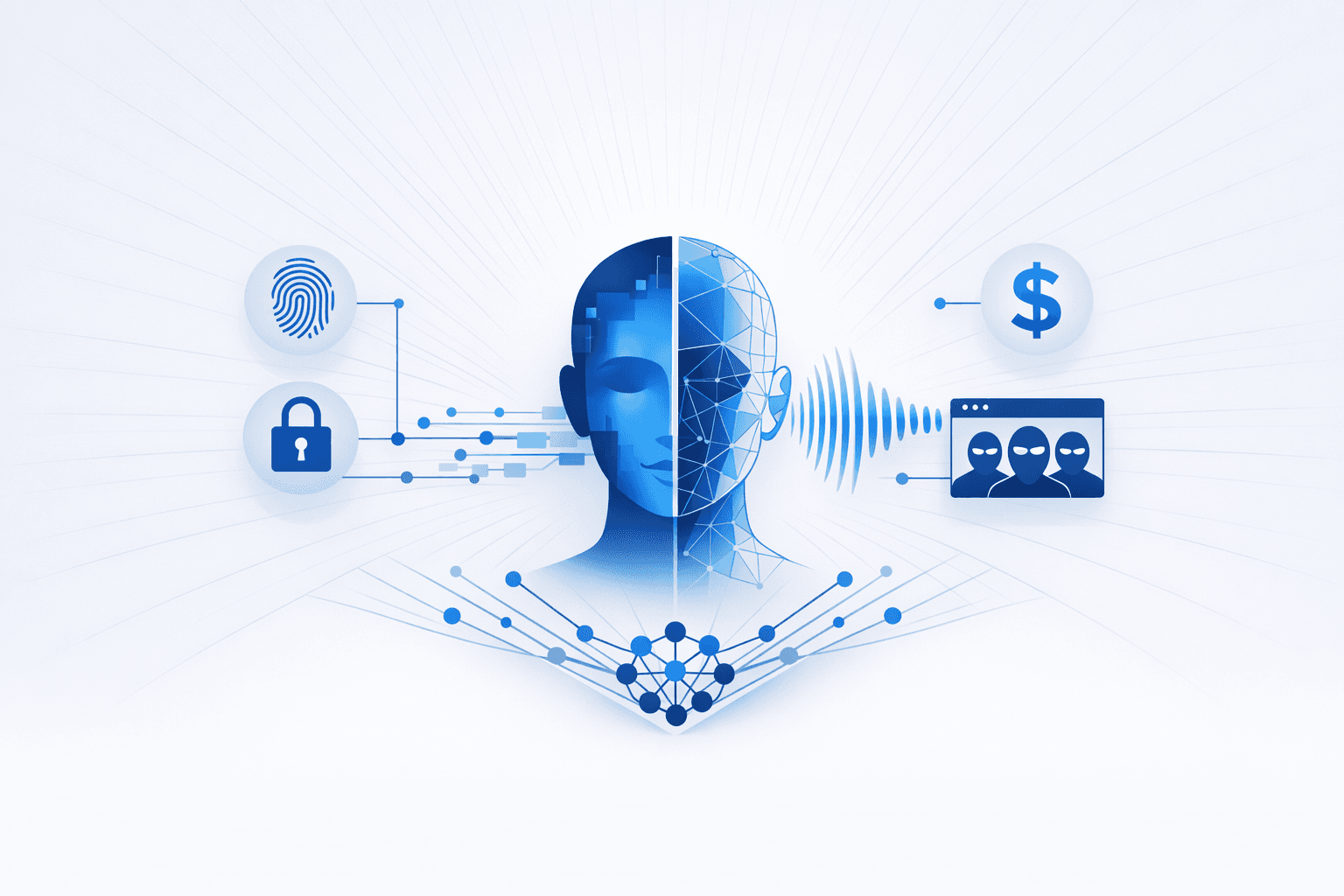
Threat intelligence reporting warns that generative AI is accelerating the industrialization of cybercrime, lowering cost and skill barriers while increasing speed and scale. Group-IB described a “fifth wave” in which criminals weaponize AI to produce synthetic identity kits—including deepfake video actors and cloned voices—for as little as $5, enabling fraud and bypass of authentication controls. The report also cited a sharp rise in dark web discussion of AI-enabled criminal tooling (from under ~50,000 messages annually pre-2022 to ~300,000 per year since 2023) and highlighted the shift toward “agentic” phishing kits that automate targeting, lure creation, and campaign adaptation via low-cost subscriptions.
Industry commentary and forward-looking security coverage similarly anticipate AI-enabled social engineering becoming a dominant enterprise risk, with deepfakes eroding trust in audio/video channels and enabling more convincing phishing at scale across languages and cultures. Separately, business-leadership coverage frames cybersecurity and AI as intertwined with geopolitical risk and board-level decision-making, but provides limited incident- or threat-specific detail. An opinion piece argues AI will reshape the security vendor landscape and drive consolidation, but it is not focused on a specific threat campaign or disclosure.
Why it matters
Impact assessment
AI-enabled social engineering materially increases fraud, account takeover, business email compromise, and help-desk impersonation risk across all sectors, with especially high exposure for financial services, enterprises with remote identity verification, customer support operations, and organizations relying on voice or video as proof of identity. The impact is potentially severe because low-cost deepfake and cloned-voice tooling reduces attacker skill requirements and enables scalable impersonation that can drive financial loss, unauthorized access, and reputational damage.
Key points
- Affected populations: enterprises, financial institutions, customer service teams, identity-verification workflows, executives, and end users targeted by phishing or impersonation.
- Primary business risks: payment fraud, account takeover, authentication bypass, executive impersonation, help-desk social engineering, and erosion of trust in audio/video communications.
- Scope: broad and growing rather than narrowly targeted; the reporting describes ecosystem-wide criminal adoption and commercialization of AI-enabled tooling.
- Exploitation status: the story describes active criminal weaponization and market availability of tooling, but does not provide a named intrusion set, victim list, or confirmed incident tied to a specific campaign in this reporting.
- Strategic significance: AI is lowering cost and skill barriers while increasing attack speed, multilingual reach, and campaign scale.
Structured facts extracted
- Entity: Group-IB
- Entity: Infosecurity Magazine
- Entity: Dmitry Volkov, Group-IB CEO
- Entity: Craig Jones, former Interpol cybercrime director
- Entity: Nytheon AI
- Theme: “fifth wave” of cybercrime driven by generative AI
- Reported cost point: synthetic identity kits available for as little as $5
- Reported trend: dark web discussion of AI criminal tooling increased from under 50,000 messages annually before 2022 to about 300,000 annually since 2023