Social-Engineering Malware Campaigns Targeting End Users via Browser Stores and Fake Installers
Supply Chain Risk · 3 sources · Updated 5mo ago · First seen Jan 19, 2026

Multiple active social-engineering-driven malware operations are targeting end users through trusted distribution channels. One campaign, dubbed GhostPoster, distributed 17 malicious browser extensions across Chrome, Firefox, and Edge with 840,000+ installs, using legitimate-sounding names (e.g., “Google Translate in Right Click,” “Youtube Download,” “Ads Block Ultimate”) and evading store reviews for years. The extensions used steganography to hide code in PNGs, then extracted payloads to contact attacker infrastructure, enabling credential/data theft, tracking, affiliate-link hijacking, script injection, and HTTP header manipulation to weaken protections.
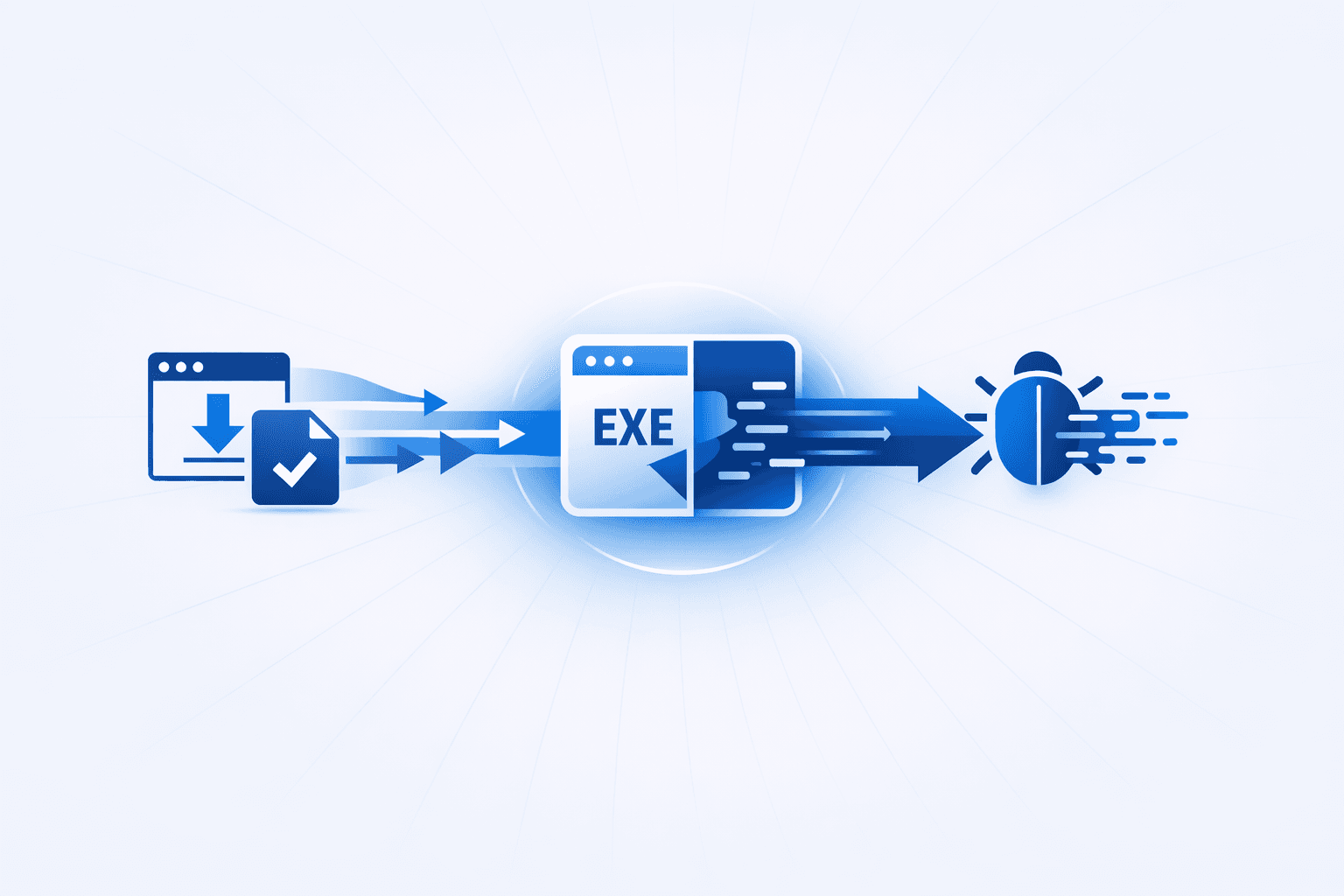
Separately, threat actors are impersonating Malwarebytes via trojanized ZIP “installers” (e.g., malwarebytes-windows-github-io-X.X.X.zip) and using DLL sideloading—pairing a legitimate EXE with a malicious CoreMessaging.dll—to execute infostealers; reporting highlighted a campaign fingerprint via behash 4acaac53c8340a8c236c91e68244e6cb and distinctive DLL strings used for infrastructure mapping. A different operation identified by CloudSEK involves “RedLineCyber” masquerading as an affiliate of “RedLine Solutions” to build credibility inside private Discord communities and deliver a Python-based clipboard hijacker (often Pro.exe / peeek.exe) aimed at cryptocurrency wallet theft, relying on long-term grooming of high-value targets rather than broad phishing.
Why it matters
Impact assessment
Multiple active malware operations are affecting end users through trusted or socially credible delivery channels, including official browser extension stores, fake software installers, and private Discord communities. The impact is high for consumers, crypto users, creators, and enterprises with unmanaged browser/plugin use because the campaigns enable credential theft, personal-data theft, wallet theft, affiliate fraud, and weakening of browser security controls.
The scope ranges from widespread to targeted. GhostPoster is the broadest exposure, with more than 840,000 installs across Chrome, Firefox, and Edge and multi-year persistence in official stores, while the fake Malwarebytes installer activity appears opportunistic but reusable across multiple software brands, and RedLineCyber is more targeted against high-value cryptocurrency users via long-term grooming.
Supporting facts
- Affected populations:
- Browser users on Chrome, Firefox, and Microsoft Edge
- Users downloading software from unverified ZIP archives posing as Malwarebytes, Logitech G Hub, OpenIV, and Asus Armoury Crate
- Cryptocurrency users, streamers, influencers, gaming/gambling/streaming community members on Discord
- Severity drivers:
- Credential and personal-data theft
- Cryptocurrency theft via infostealers and clipboard hijacking
- Browser manipulation including script injection and HTTP header weakening
- Financial fraud through affiliate-link hijacking
- Reputational and trust impact for software vendors and browser stores abused as lures
- Scope and exposure:
- GhostPoster: 17 malicious extensions, 840,000+ installs, active since at least 2020, some active up to five years
- Fake installer campaign: active observed window of 2026-01-11 to 2026-01-15, linked across multiple fake software brands
- RedLineCyber: targeted operation identified in December 2025 through HUMINT, focused on private Discord communities and high-value crypto victims
- Exploitation status:
- All three stories describe active exploitation in the wild
- GhostPoster remained undetected in official stores for years
- Fake installers were actively distributing infostealers
- RedLineCyber was actively grooming and delivering clipper malware to victims